


Why the Merchant Navy Belongs in a Conversation About Defence
Table of Contents
- The Merchant Navy and the Royal Australian Navy have different roles
- Reason 1: Maritime trade connects security with everyday life
- Reason 2: Sea power includes more than warships
- Reason 3: Wartime history shows why merchant voyages mattered
- Reason 4: Resilience depends on the whole delivery process
- Reason 5: Seafarers are part of the picture
- Keep three distinctions clear when reading shipping claims
- Researching Australian Merchant Navy records
- Explore the people behind Australia’s maritime history
- Sources
- FAQs
A cargo ship arriving in port may seem far removed from a discussion about defence. Yet merchant shipping, carried by the commercial vessels and crews of a nation’s Merchant Navy, connects everyday economic life with national security. Protecting a country involves thinking about the trade and resources that keep it functioning, as well as the military forces that defend it.
The Royal Australian Navy makes that connection explicit. Its mission and values page states that trade travels by sea and that good order at sea is vital to economic welfare and national security. Merchant shipping belongs in the defence conversation because it helps explain what secure access to the sea makes possible. [1]
The Merchant Navy and the Royal Australian Navy have different roles
The Australian War Memorial defines the Merchant Navy as a nation’s commercial shipping and its crews. The word “Navy” in that name does not mean that merchant mariners belong to the Royal Australian Navy. Commercial shipping and a military naval service are distinct, even where their histories and activities intersect. [2]
For this article, merchant shipping means the commercial movement of goods and people by sea, with a focus on cargo. Its importance to defence does not turn every commercial voyage into a military operation. The connection is that national life and military activity both depend on wider systems of transport, industry and supply.
Reason 1: Maritime trade connects security with everyday life
The Navy’s 2022 publication Why Australia has a Navy lists the protection of seaborne trade as one of the broad reasons states seek sea power. Its discussion looks beyond individual warships to the national interests served by access to the sea. That offers a useful starting point: ask what needs to keep moving, and why that movement matters. [3]
A shipment can matter well beyond its immediate buyer. Goods arriving by sea may be inputs for another product, equipment for a business or stock intended for distribution. A change in one delivery can affect the next stage of work. This is a basic supply chain relationship, not a prediction that every shipping delay becomes a national emergency.
Consider a hypothetical manufacturer waiting for a replacement machine component. The component’s journey may involve a supplier, a shipping service, a port and inland transport before it reaches the factory. The factory needs the whole delivery process to work, not simply a vessel somewhere on the ocean.
Reason 2: Sea power includes more than warships
The 2022 Navy publication describes sea power as involving warships, merchant ships, shore installations, land-based assets and geography. It also notes that aircraft, and soldiers securing port facilities or straits, can contribute to control of the sea. [3]
This helps explain why merchant shipping belongs beside naval capability in a wider conversation. One concerns moving people and goods; the other includes the military means used to protect national interests. For more on the different jobs a navy performs, see our article on the military, diplomatic and constabulary roles of a navy.
Ports and onward transport complete the shipping journey
A ship’s arrival is one stage of a delivery. Cargo still needs to be handled at the port and moved to its destination. For the hypothetical factory component, an available ship would not solve a delay caused by an inaccessible port or a problem with the next transport leg.
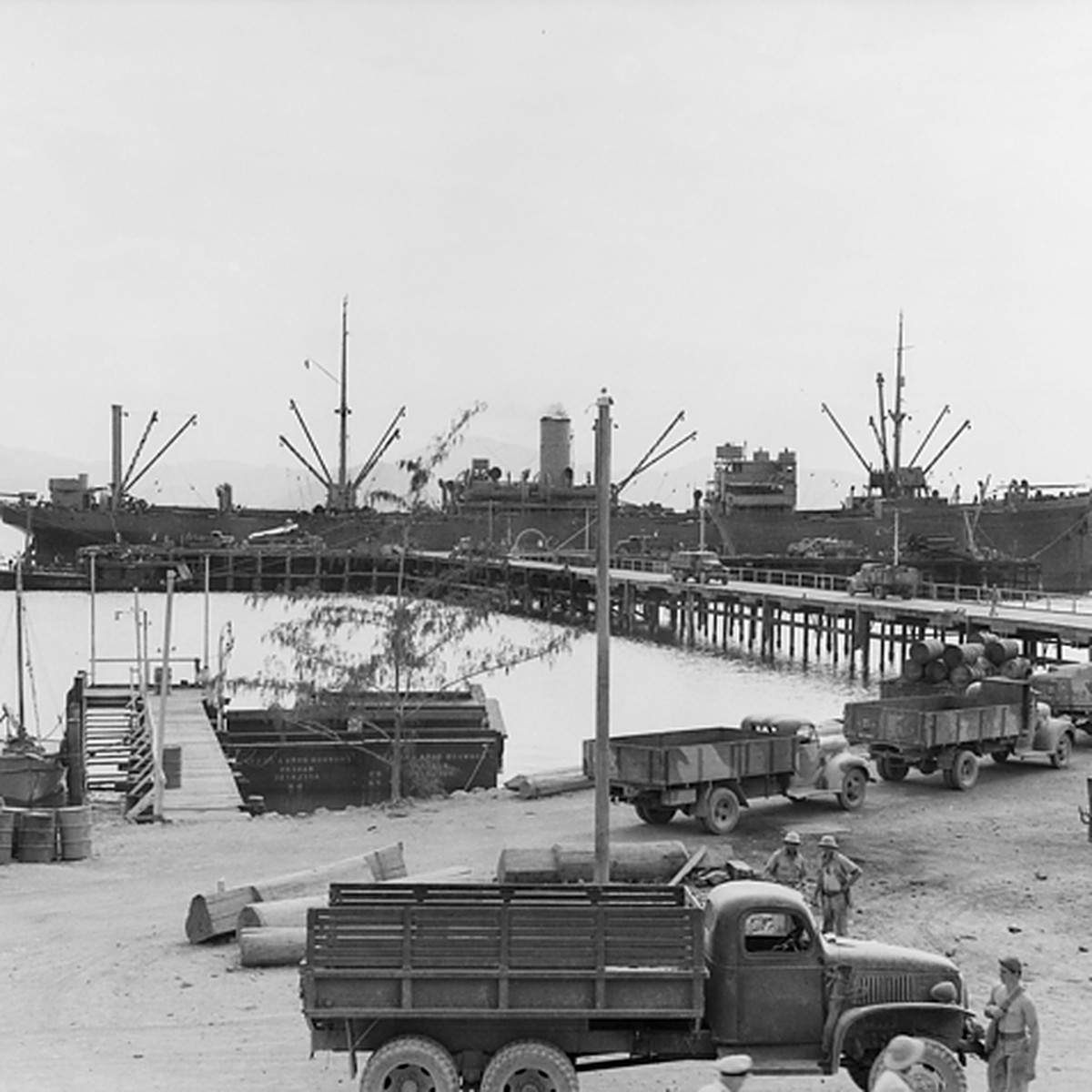
This is why a discussion of maritime dependence should ask about the connected system: the voyage, the port, the cargo handling arrangements and onward transport. The example illustrates the relationship between these stages; it does not identify a particular Australian port as vulnerable or describe a current disruption.
Reason 3: Wartime history shows why merchant voyages mattered
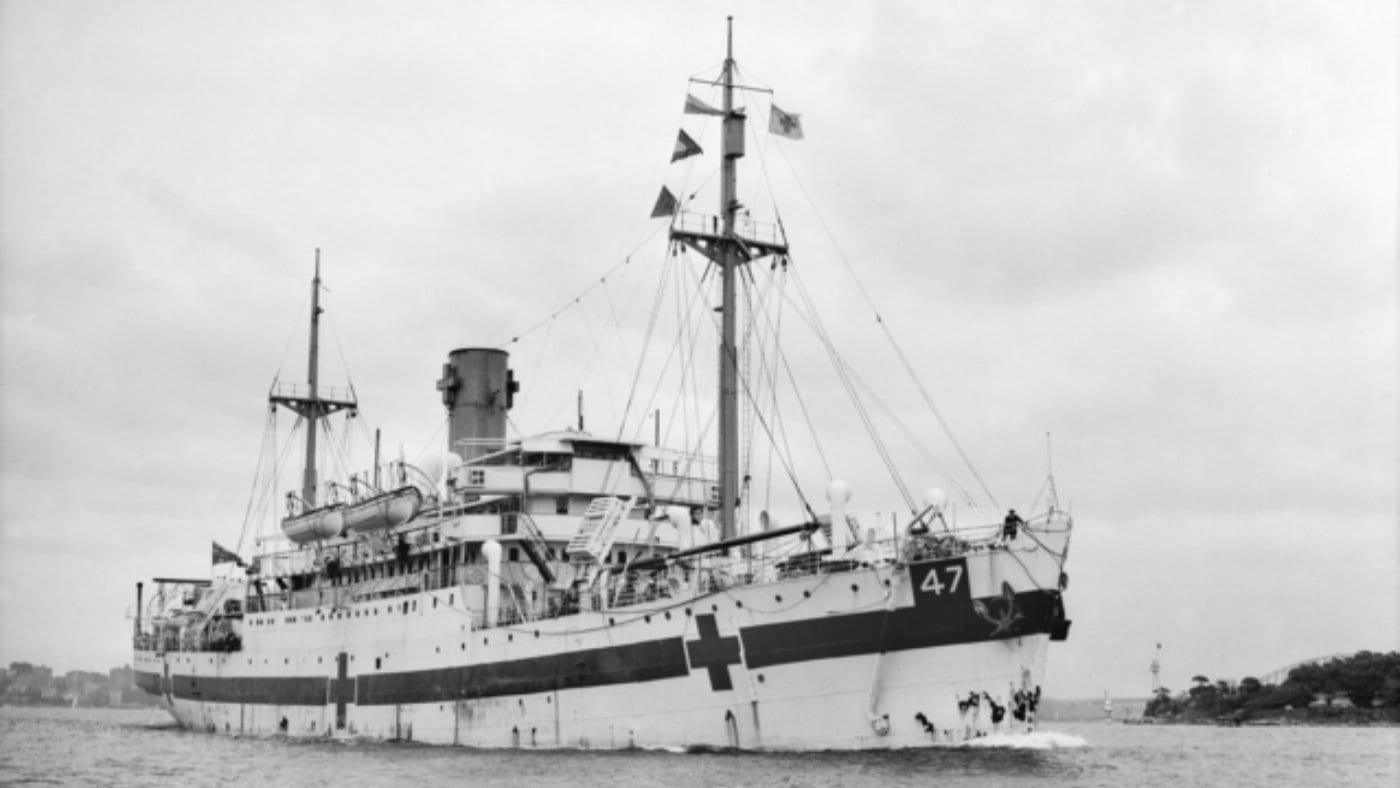
The Australian War Memorial records that during the Second World War, merchant ships were attacked not only in distant waters but also within sight of the Australian coastline. After attacks off New South Wales, the Naval Board introduced coastal convoys as a temporary protective measure. Merchant seamen also crewed hospital ships, including the Centaur, which was sunk by a Japanese submarine on 14 May 1943.
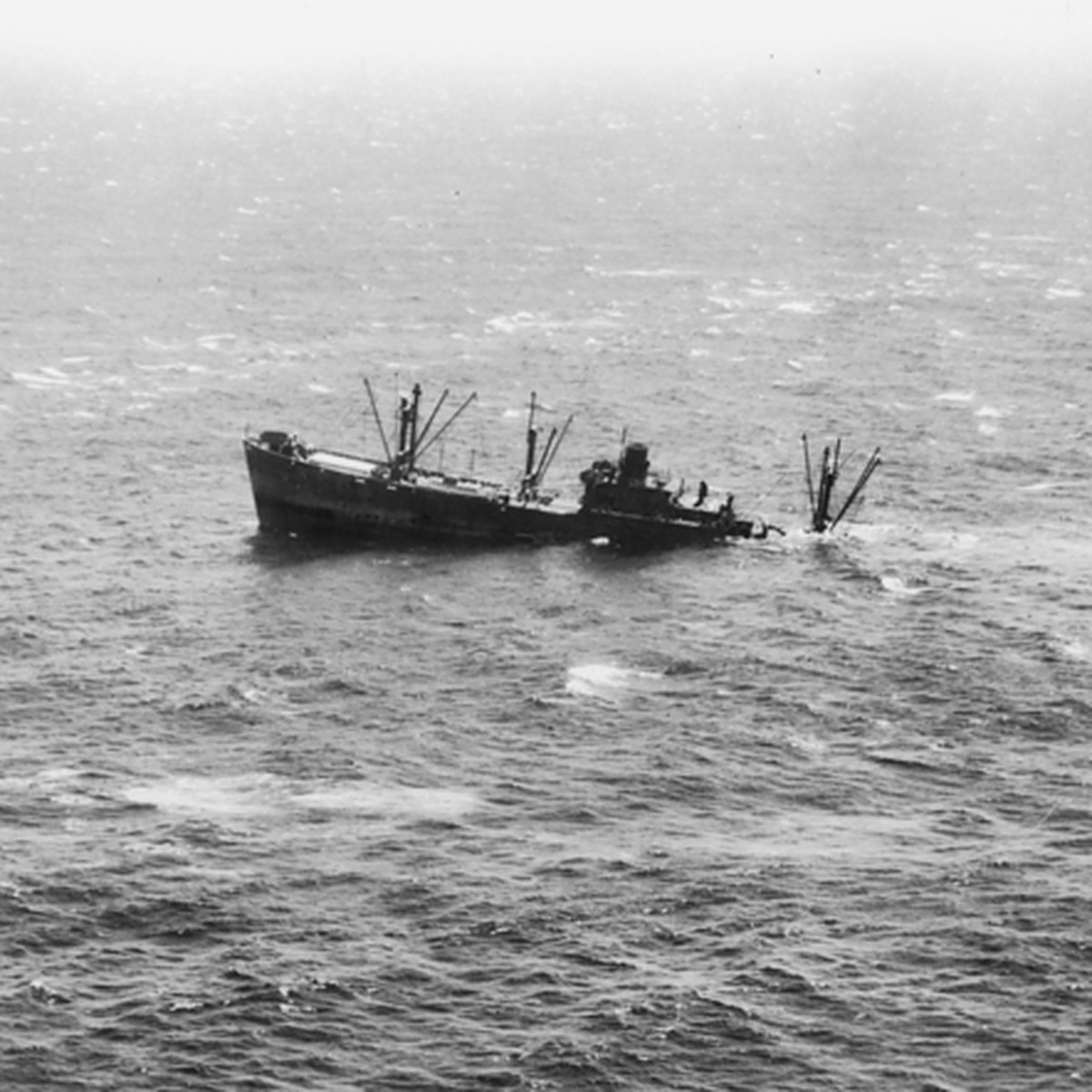
That history shows why the war at sea cannot be understood only through battles between warships. The movement of cargo and people was itself consequential, and the crews making those voyages faced danger. Protecting shipping mattered because the journey had a purpose beyond the ship’s own survival.
The Memorial’s Merchant Navy research guide also describes merchant vessels being commissioned into naval service as hospital ships, supply ships and armed merchant cruisers. A vessel’s role could therefore change during wartime. For a particular ship or person, the relevant dates and records matter. [4]
These historical connections should not be used to suggest that every merchant mariner was a naval servicemember, or that today’s commercial fleet operates under the same arrangements as wartime shipping. The example explains the enduring importance of transport while preserving differences between periods and roles.
Reason 4: Resilience depends on the whole delivery process
Resilience, in this context, means the ability to keep essential activity going or recover when a part of the system is disrupted. Merchant shipping is relevant because transport capacity is useful only when goods can reach the people and organisations that need them.
A useful way to explore this is to follow one hypothetical shipment and ask practical questions. Is there another suitable service if the voyage changes? Can the cargo use a different port? Is there enough time and capacity for onward transport? Are the right people and facilities available to handle it?
The answers will depend on the cargo, route and circumstances. A theoretical alternative is not necessarily an immediately usable one. Equally, a disruption does not automatically mean the entire supply chain has stopped. Keep claims about consequences tied to evidence about the particular situation.
This kind of thinking broadens the defence conversation from counting platforms to understanding how national activity is sustained. It does not require assuming that Navy can prevent every commercial interruption or control every part of a delivery network.
Reason 5: Seafarers are part of the picture
Merchant shipping depends on people as well as vessels and cargo. An explanation centred entirely on routes and tonnage can overlook the work of the crews who keep ships operating. Their contribution is part of the story of maritime trade, both in the historical record and in contemporary shipping.
In a 6 May 2026 media release, the Australian Maritime Safety Authority (AMSA) said seafarers keep global trade moving in harsh conditions. It reminded shipping companies of their obligations under the Maritime Labour Convention, including timely payment of wages, safe accommodation and adequate rest. The release is a current reminder that the human side of shipping deserves attention alongside its economic role. [5]
For this article, the point is the connection between the transport system and the people operating it. Recognising those people does not require assigning them a military status they did not hold. Their commercial role is significant in its own right.
Keep three distinctions clear when reading shipping claims
Trade importance is different from ship ownership
A statement that shipping matters to Australia does not establish who owns, operates or crews a particular vessel. Check those details separately before describing a ship as Australian or making a claim about the national fleet.
A broad dependency is different from a precise forecast
Knowing that an activity depends on deliveries does not tell you exactly how long it could continue without them. A forecast needs evidence about stock, demand, alternatives and the duration of the disruption. Avoid turning a general maritime argument into an unsupported countdown.
Historical figures are different from current measurements
A trade figure from an older publication describes a particular period and measure. Before using a percentage, check whether it refers to weight, value, imports, exports or a particular commodity, and whether it is national or global. Those measures cannot be freely substituted.
Researching Australian Merchant Navy records
If a family story involves merchant shipping, begin with the person’s own role and vessels. The Australian War Memorial’s Second World War research guide points readers to the World War Two Nominal Roll, which includes members of the Australian Merchant Navy, and to seamen’s employment records held by the National Archives of Australia. [4]
Keep a ship’s broader story separate from the details of an individual’s service. An account of a convoy or a vessel’s wartime role provides context; it does not prove that a particular person was aboard at that time. Building the account from records gives the contribution its proper place without embellishment.
Explore the people behind Australia’s maritime history
Military Shop’s Merchant Navy Day article offers a related commemorative perspective. Read it alongside this explanation of trade and security to explore why merchant mariners belong in the wider story of Australia’s maritime past. [6] For more naval history, read 1942 Our Navy’s War.
A defence conversation becomes more complete when it considers what moves across the sea, the systems that sustain that movement and the people who make the voyage possible.
Sources
1 Royal Australian Navy | Mission and values
2 Australian War Memorial | Merchant Navy, Second World War
3 Royal Australian Navy | Why Australia has a Navy | 2022
4 Australian War Memorial | Second World War Merchant Navy research guide
5 AMSA | AMSA warns shipping companies: Don’t risk a ban, comply with your obligations | 6 May 2026
6 Military Shop | Merchant Navy Day | 7 September 2018