


Military, Diplomatic and Constabulary: Three Ways a Navy Serves a Nation
Table of Contents
- The three roles describe the purpose of the activity
- Military roles prepare naval forces to deter conflict and fight when required
- Diplomatic roles build relationships through visits and cooperation
- Constabulary roles support law enforcement alongside other agencies
- A 2023 fisheries case shows the handover between naval and civilian authorities
- One deployment can bring several roles together without making them identical
- Recognising all three roles gives you a fuller picture of naval service
- Sources and publishing details
- FAQs
How the Royal Australian Navy prepares for conflict, builds relationships and supports lawful activity at sea.
A Navy ship can appear in a story about a military exercise, an overseas welcome or a fisheries patrol. The uniform may be the same, but the purpose of the task is different. Understanding that purpose helps you see what naval service involves beyond combat. [1][6]
Navy’s 2022 publication, Why Australia has a Navy, introduces three broad roles: military, diplomatic and constabulary. The last word is less familiar. In this context, it refers to maintaining order and supporting law enforcement at sea. [1]
Here is how those roles differ, how they overlap, and what Australian examples can tell you about the people carrying them out.
The three roles describe the purpose of the activity
Think of the roles as a way to understand a mission, not as three separate fleets. The 2022 guide’s maritime-task diagram brings them together in one framework. Its examples range from combat and partner assistance to resource protection and sanctions enforcement. [1]
| Role | Main purpose | What it can involve |
| Military | Provide the ability to defend and fight | Preparing for conflict and protecting forces or shipping |
| Diplomatic | Support relationships and national interests | Overseas visits, professional exchanges and cooperation |
| Constabulary | Support order and law enforcement | Responding to illegal fishing and other maritime offences |
Summary adapted from Navy’s 2022 framework and the official role descriptions cited below. [1][4][6]
These are broad categories, not an instruction to place every activity in only one box. A training exercise, for example, can develop military skills while strengthening a relationship with another navy. [4][9]
Military roles prepare naval forces to deter conflict and fight when required
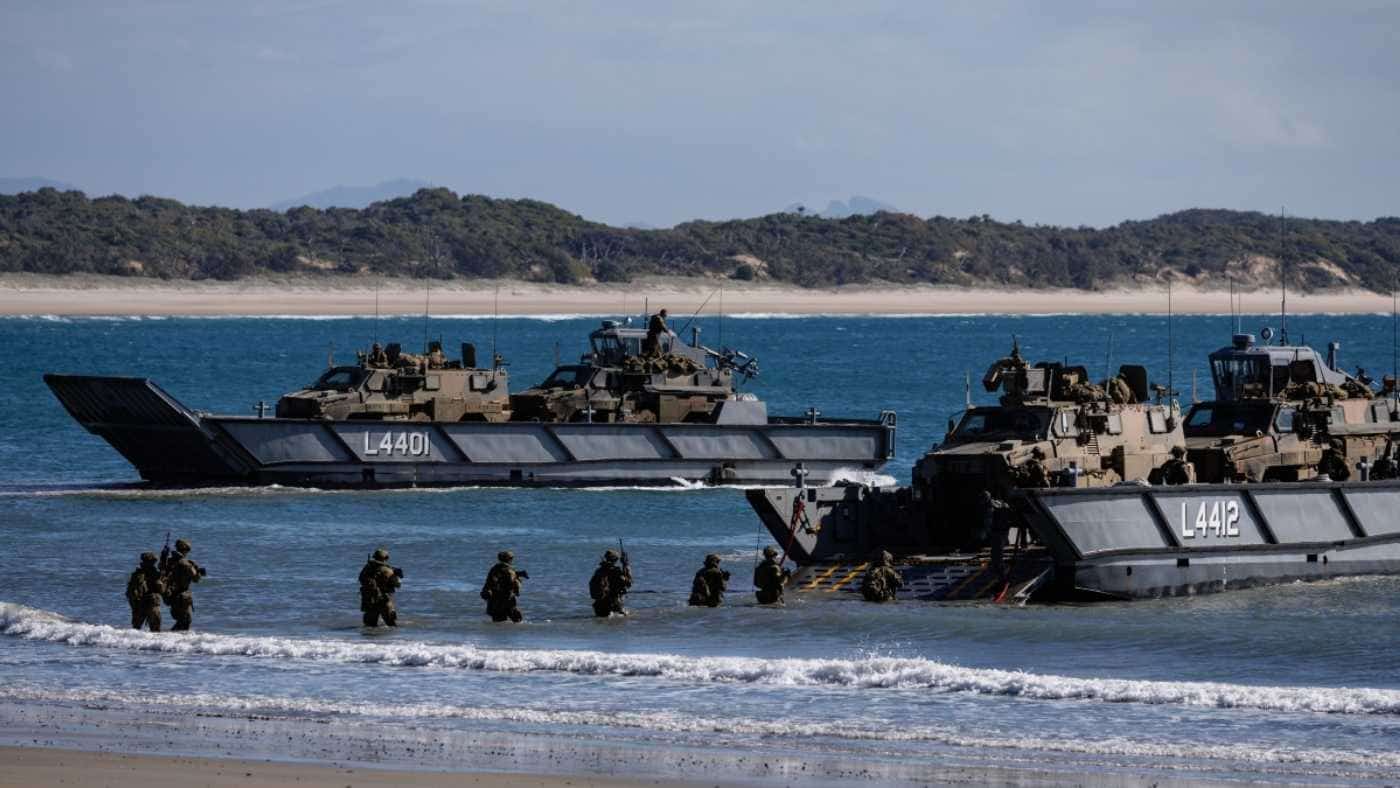
The military role centres on armed capability. Navy’s published mission is to prepare naval power for the integrated force in competition and conflict. “Integrated force” means Defence’s capabilities working together, rather than Navy operating as an isolated organisation. [2]
That work is not limited to fighting after a war begins. Deterrence aims to discourage an adversary from taking hostile action. One approach, explained by the Sea Power Centre, is to make the intended action appear unlikely to succeed. Credible capability matters, but deterrence is not a guarantee that conflict will be avoided. [3]
Training is part of preparation. Defence reported that HMAS Sydney participated in Exercise Bersama Shield 25 with Malaysia, New Zealand, Singapore and the United Kingdom. It also sailed with the United Kingdom’s Carrier Strike Group from Singapore to Australia to join Talisman Sabre 25. [9]
When you read about this kind of activity, keep the distinction clear: practising military skills is not the same as taking part in combat.
Diplomatic roles build relationships through visits and cooperation
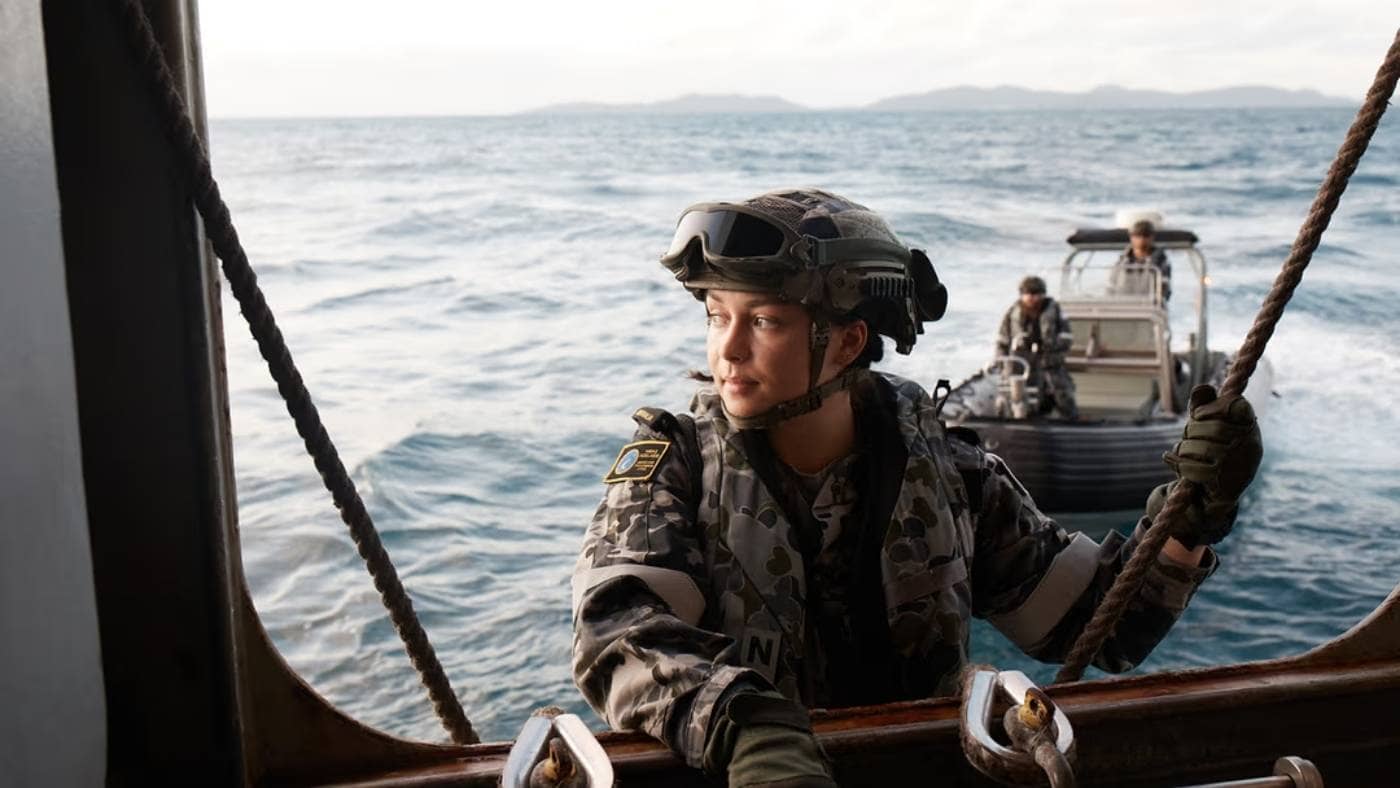
Naval diplomacy is about using a naval presence to support relationships and national interests. It can involve port visits, professional exchanges and cooperation with partners. Defence’s Regional Presence Deployments program explicitly connects relationship building with developing capability and the ability to work together. [4]
You may see that last idea called “interoperability”. Put simply, it is the ability of different forces to operate together. The relationship and the practical skills can develop alongside each other. [4]
A June 2025 visit by HMAS Sydney to Yokosuka, Japan, shows the personal side. Defence reported an official welcome, a tour for Japanese naval personnel and media, and an exchange of commemorative items. Sydney received a plaque and presented its host with a personalised cricket bat, ship’s coins and a unit patch. [5]
The report linked the visit to trust and people-to-people connections. It also described a break and maintenance period. One port call therefore had practical and relationship-building purposes; it was not simply a ceremonial stop. [5]
Diplomacy is not limited to goodwill visits. The 2022 framework also includes preventive diplomacy and coercion, or pressure intended to influence behaviour. Naval presence can therefore support relationships while also signalling resolve. [1]
Constabulary roles support law enforcement alongside other agencies
In a constabulary role, the focus is maintaining order and responding to unlawful activity, rather than fighting an enemy force. In Australia, Maritime Border Command coordinates civil maritime security operations using both Australian Border Force and Australian Defence Force personnel and assets. [6]
Its published responsibilities include illegal fishing, prohibited imports and exports, illegal activity in protected areas and marine pollution. This is a wider responsibility than border arrivals alone. [6]
Defence contributes forces to Maritime Border Command through Operation Resolute. Its published description includes Navy patrol boats, Air Force surveillance aircraft and Army personnel among the elements that may contribute. [7]
So a naval vessel in a law-enforcement report is not evidence that Navy acts alone. Look for the agencies named in the report and the different jobs they perform. [6][7]
A 2023 fisheries case shows the handover between naval and civilian authorities
A joint statement from the Australian Fisheries Management Authority and Australian Border Force provides a clear example. HMAS Armidale intercepted a fishing vessel in Australian waters on 21 February 2023. The vessel, catch and fishing equipment were seized and brought to Darwin with the crew. [8]
The statement explained that Border Force detained the crew on arrival and the fisheries authority was investigating suspected offences. Navy’s interception was one part of a wider response, followed by work by civilian authorities. [8]
The source reported an investigation at that point, not a court verdict. Keeping that distinction matters when you share the story: an interception, an investigation and a conviction are not interchangeable events. [8]
One deployment can bring several roles together without making them identical
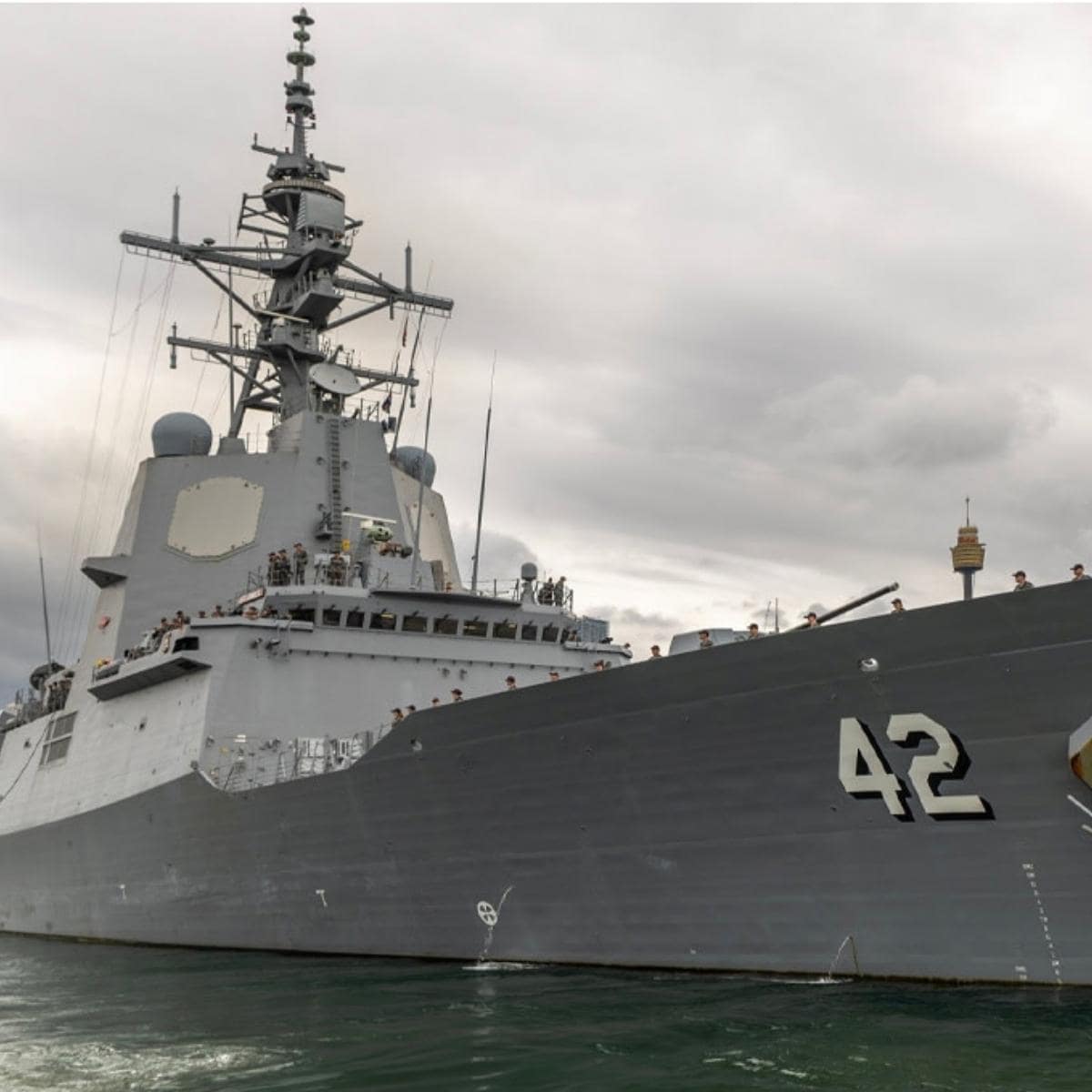
HMAS Sydney’s completed 2025 deployment is a useful example. Alongside the exercises described earlier, Defence reported port visits involving professional exchanges and community activities, and support for enforcing United Nations Security Council sanctions against North Korea. [9]
In the 2022 task framework, sanctions and embargoes appear under constabulary activity. Using that framework, the deployment illustrates how military preparation, diplomatic engagement and support for enforcement can sit within one period away from home. This is an explanatory comparison, not a claim that every task had the same authority or purpose. [1][9]
It also shows why “military” should not be read as “combat happened”, or “diplomatic” as “nothing operational happened”. The task, rather than the presence of a warship alone, tells you what was being done.
Recognising all three roles gives you a fuller picture of naval service
The three roles help explain different forms of service without ranking one person’s contribution against another’s. A sailor involved in training, an overseas exchange or a maritime security task contributes to a different part of the overall effort. [2][4][7]
Defence’s regional deployment information also acknowledges the commitment required from naval personnel and the support of their families at home. Looking beyond combat does not mean overlooking the demands of being away. [4]
For more information, read Navy’s Mission and values page, Defence’s Regional Presence Deployments page and Border Force’s explanation of Maritime Border Command. Together, they give you the official context behind the three roles. [2][4][6]
At Military Shop, we encourage you to explore the service behind the symbols. Browse our military collectables and gifts for pieces connected with the naval service, people and history you wish to remember. [10]
Sources and publishing details
Sources checked on 1 October 2026. Numbered citations and source titles are clickable.
[1] Royal Australian Navy: Why Australia has a Navy (2022)
Supplied publication; printed pp. 3–5. Three roles and Figure 1, which credits the original framework to Ken Booth.
[2] Royal Australian Navy: Mission and values
Published Navy mission and contribution to the integrated force.
[3] Sea Power Centre: Deterrence by Denial
Robert Rushby’s conceptual discussion, including credibility and limitations. Used for the definition, not a claim about current force readiness.
[4] Defence: Regional Presence Deployments
Engagement, cooperation, capability development and family support.
[5] Defence: Port visit firms ties with Japan
18 June 2025. HMAS Sydney in Yokosuka; exchanges, commemorative items and maintenance.
[6] Australian Border Force: Maritime Border Command
Civil maritime security, participating organisations and published threats.
[7] Defence: Operation Resolute
ADF contribution to Maritime Border Command; no personnel totals used.
[8] AFMA and ABF: Joint statement on a fishing vessel interception
23 February 2023. HMAS Armidale interception on 21 February; detention and investigation, not a conviction.
[9] Defence: HMAS Sydney completes ADF Regional Presence Deployment
1 August 2025. Completed exercises, port visits and sanctions-enforcement support.
[10] Military Shop: Military collectables and gifts
First-party browsing destination; not an authority for Defence information.
FAQs
What are the three broad roles of the Royal Australian Navy?
The Royal Australian Navy's three broad roles are military, diplomatic, and constabulary.
What does the military role of the Navy involve?
The military role centres on armed capability, preparing naval forces to deter conflict, defend the nation, and fight when required, as well as protecting forces or shipping.
How do diplomatic roles serve national interests?
Diplomatic roles use naval presence to support relationships and national interests through port visits, professional exchanges, cooperation with partners, and preventive diplomacy.
What is the focus of the constabulary role in the Navy?
In a constabulary role, the focus is maintaining order and supporting law enforcement at sea, such as responding to illegal fishing, maritime offences, and enforcing sanctions, rather than fighting an enemy force.
How does the Navy contribute to civil maritime security operations in Australia?
The Navy contributes assets like patrol boats to Maritime Border Command through Operation Resolute, working alongside the Australian Border Force, Australian Army, and Air Force to manage threats such as illegal fishing and marine pollution.