


Intelligence, Surveillance and Response: Reading the RAAF's Role Statement
Table of Contents
- The RAAF Uses Intelligence, Surveillance and Response as a Public Air-Power Role
- Intelligence Turns Collected Information into Useful Understanding
- Surveillance Means Systematic Observation Over Time
- The Surveillance and Response Group Connects Awareness with Action
- Several RAAF Aircraft Contribute Different Parts of the Surveillance Picture
- The P-8A Poseidon Combines Maritime Surveillance with Response Options
- The MQ-4C Triton Is Designed for Long-Endurance Maritime Surveillance
- The MC-55A Peregrine Adds Intelligence and Electronic-Warfare Capability
- People Still Turn Sensor Data into Decisions
- Response Does Not Always Mean a Combat Action
- Why This RAAF Role Matters to the Wider ADF
- Sources
- FAQs
In plain English: the RAAF's intelligence, surveillance and response role is about building a reliable picture of what is happening, turning information into understanding, and helping Defence decide what to do next.
The Royal Australian Air Force lists intelligence, surveillance and response as one of its four key air-power roles, alongside control of the air, precision strike and air mobility. That wording can be confusing because Defence publications also use the acronym ISR, where the final R stands for reconnaissance rather than response. [1]
The two expressions are related, but they are not identical. This article explains the public RAAF role in simple terms and shows how intelligence, surveillance, reconnaissance and response connect without treating them as interchangeable.
The RAAF Uses Intelligence, Surveillance and Response as a Public Air-Power Role
Air Force public mission statement lists intelligence, surveillance and response as one of the key roles used to support Australia's defence and national interests. [1]
The phrase is easiest to understand as a sequence. Defence first needs awareness of what is happening. It then needs people and systems that can interpret that information. Once decision-makers understand the situation, Defence can choose an appropriate response.
Intelligence Turns Collected Information into Useful Understanding
Sensors can collect large volumes of information, but raw data is not the same thing as understanding. Defence's 2026 reporting on airborne electronic analysts describes crews analysing live sensor feeds, sharing information with mission commanders and pilots, and helping build a broader picture of the operating environment. [4]
That is the practical value of intelligence in this context. People and systems help turn collected information into something that can support decisions. The point is not simply to gather more data. The point is to make the data useful.
Surveillance Means Systematic Observation Over Time
Current ADF air-power guidance describes surveillance missions as the systematic observation of places, persons or things from the air. It distinguishes surveillance from reconnaissance, which is flown specifically to obtain information about a threat or the operating environment. [3]
That distinction is useful. Surveillance is often about maintaining awareness over time, while reconnaissance is usually directed at answering a more specific information requirement. Both can contribute to the wider intelligence picture.
| Term | Plain-English meaning | How it connects |
| Intelligence | Interpreted information that helps people understand the situation. | Supports planning and decisions. |
| Surveillance | Systematic observation over time. | Builds awareness and detects change. |
| Reconnaissance | A mission to obtain information about a specific threat or environment. | Answers a defined information need. |
| Response | The action Defence chooses after gaining sufficient awareness and understanding. | Can include warning, coordination, protection, support or other authorised action. |
Note: The public Air Force mission page uses the word “response”, while ADF doctrine commonly uses ISR for intelligence, surveillance and reconnaissance. The response description above is a plain-English reading of the public mission and Surveillance and Response Group material, not a replacement doctrinal definition.
The Surveillance and Response Group Connects Awareness with Action
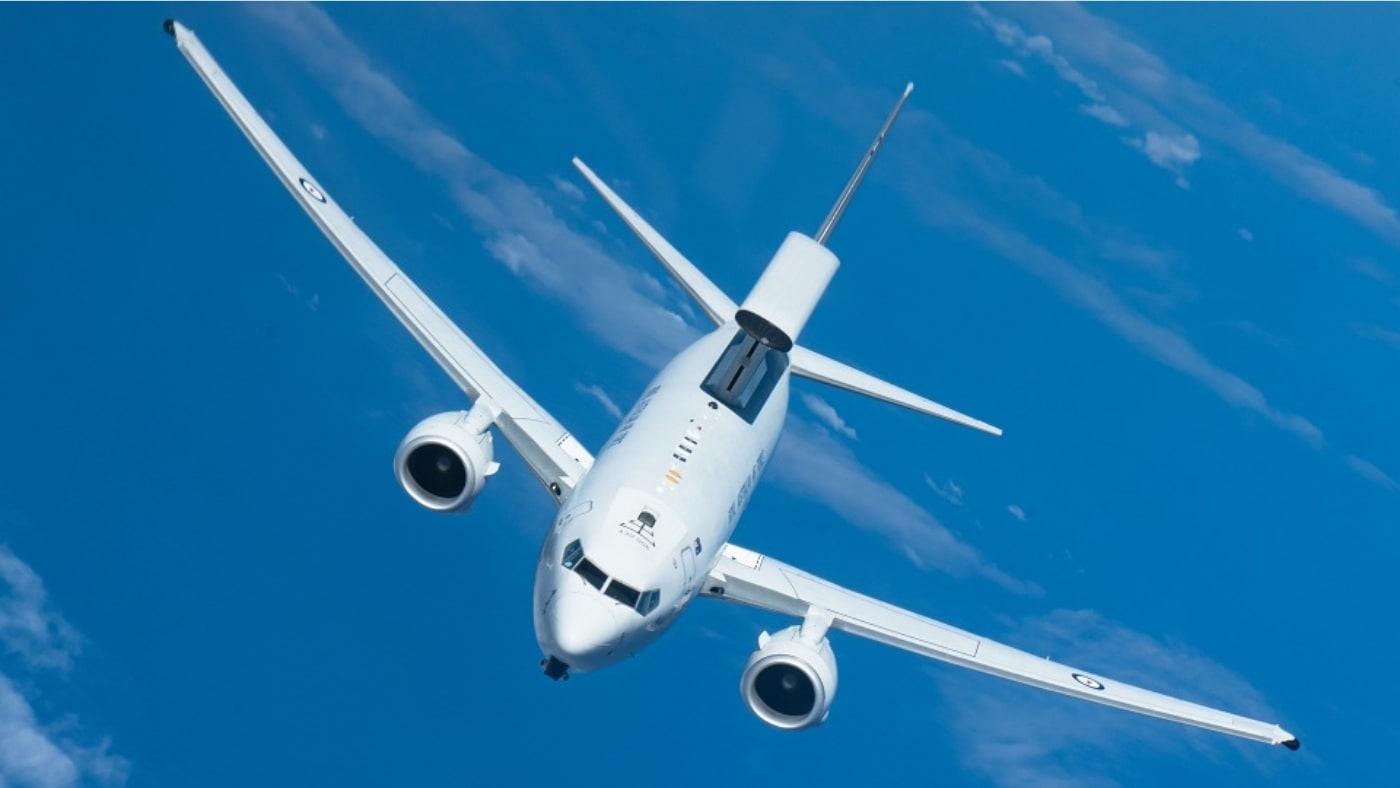
The RAAF's Surveillance and Response Group is responsible for air surveillance assets, maritime warfare, aerospace surveillance, battlespace management, and the development of intelligence, surveillance, reconnaissance and electronic-warfare capabilities. Air Force describes the group as contributing an early-warning and response capability for the ADF. [2]
The group includes units responsible for wide-area surveillance, airspace control, airborne early warning and control, air traffic control, maritime operations and long-range ISR. This is a good reminder that the role depends on people, sensors, communications and command-and-control systems working together, not on one aircraft alone. [2]
Several RAAF Aircraft Contribute Different Parts of the Surveillance Picture
The RAAF uses different platforms because no single aircraft does every task. Each contributes a different kind of persistence, sensing, analysis or response capability.
The P-8A Poseidon Combines Maritime Surveillance with Response Options
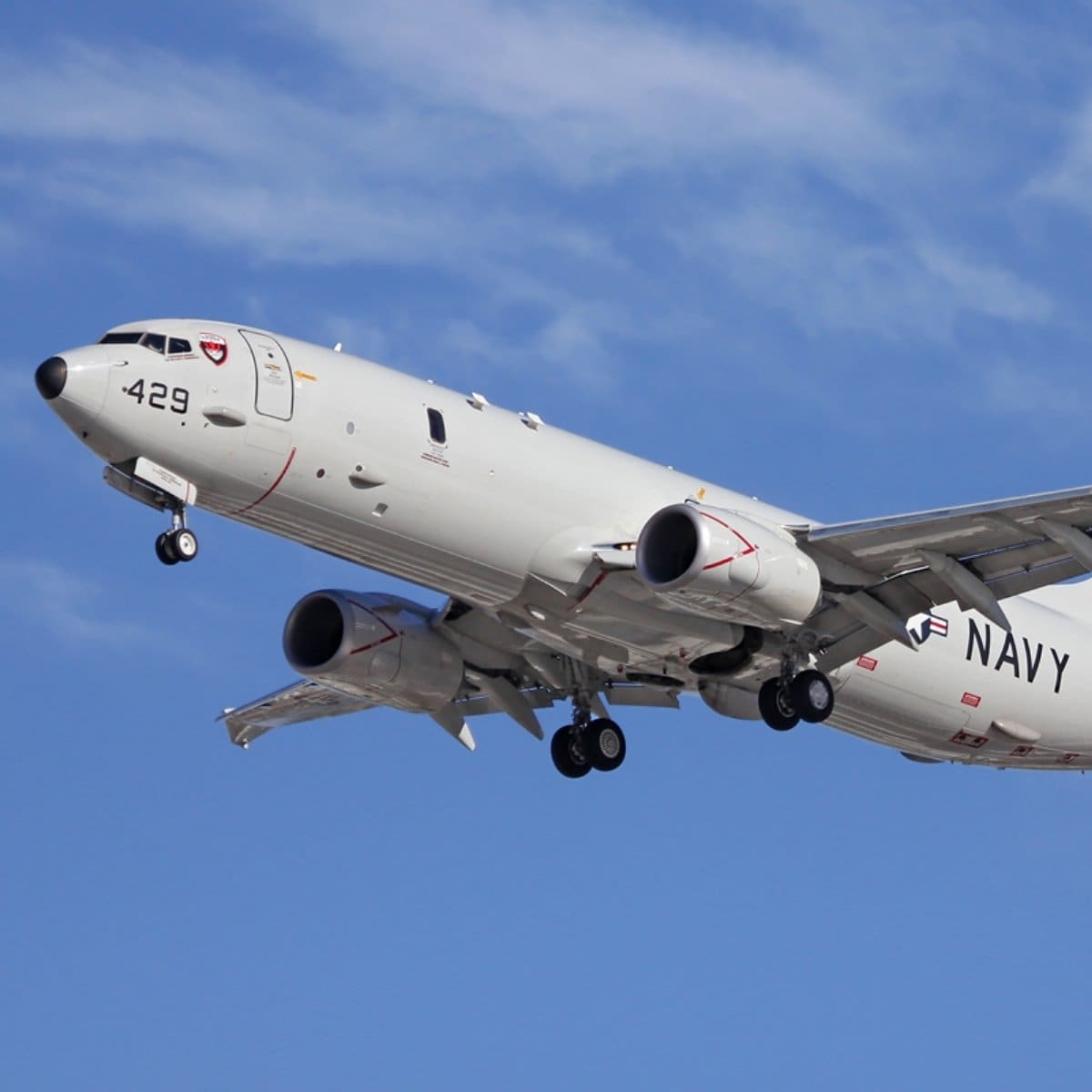
The P-8A Poseidon is a multi-mission maritime patrol aircraft. Air Force lists maritime and overland intelligence, surveillance and reconnaissance among its primary roles, alongside anti-submarine warfare, anti-surface warfare and search and rescue. [7]
That combination shows why the word response matters. A platform may help build awareness of the maritime environment and, when authorised, support a practical response such as search and rescue or other mission tasks.
The MQ-4C Triton Is Designed for Long-Endurance Maritime Surveillance
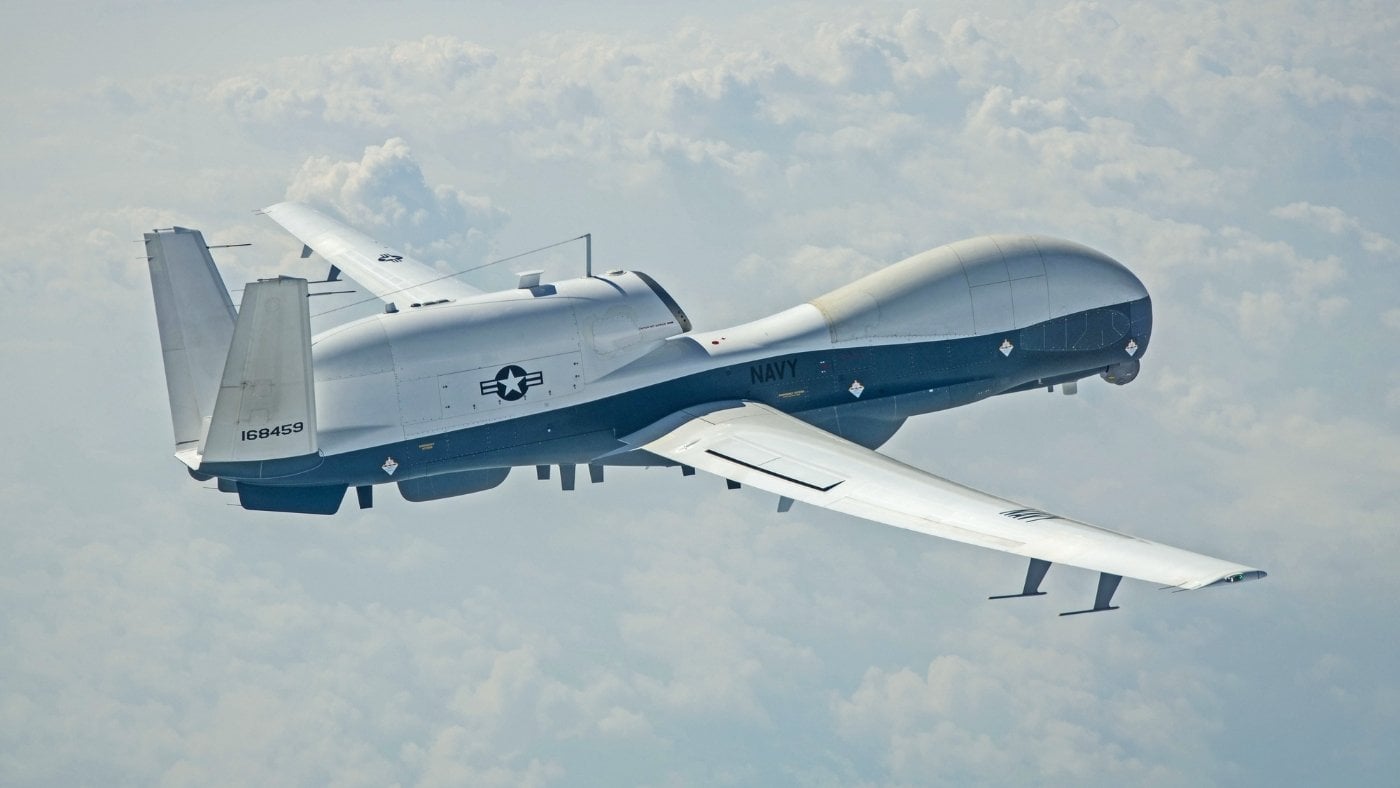
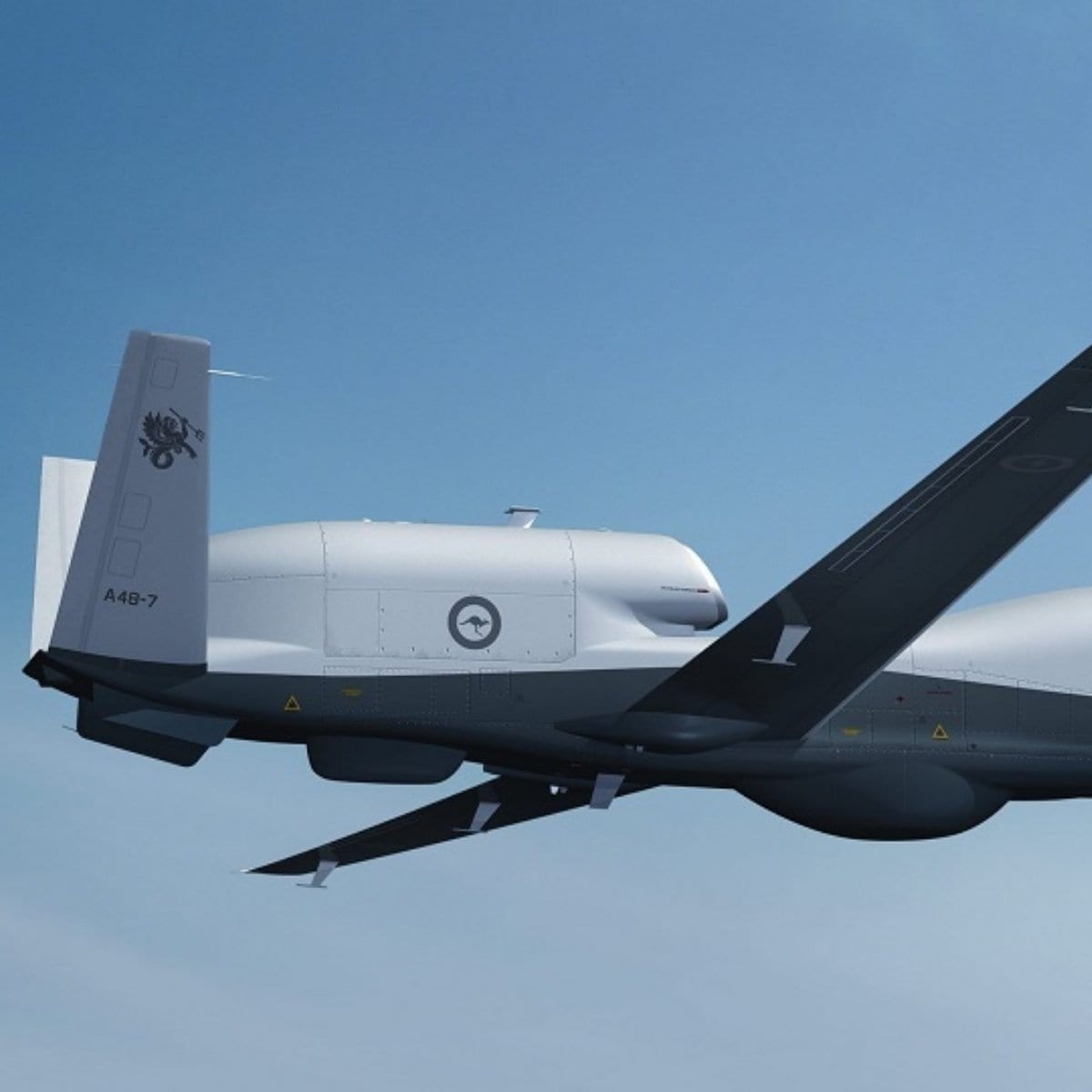
The MQ-4C Triton is a remotely piloted aircraft designed for maritime patrol and other surveillance roles. Air Force notes that its endurance allows it to remain airborne for longer periods, while information gathered by the aircraft is analysed and communicated by operational staff. [8]
This makes the Triton a useful example of persistent surveillance: gathering information over a wide area for long periods and passing it into a broader Defence network.
The MC-55A Peregrine Adds Intelligence and Electronic-Warfare Capability
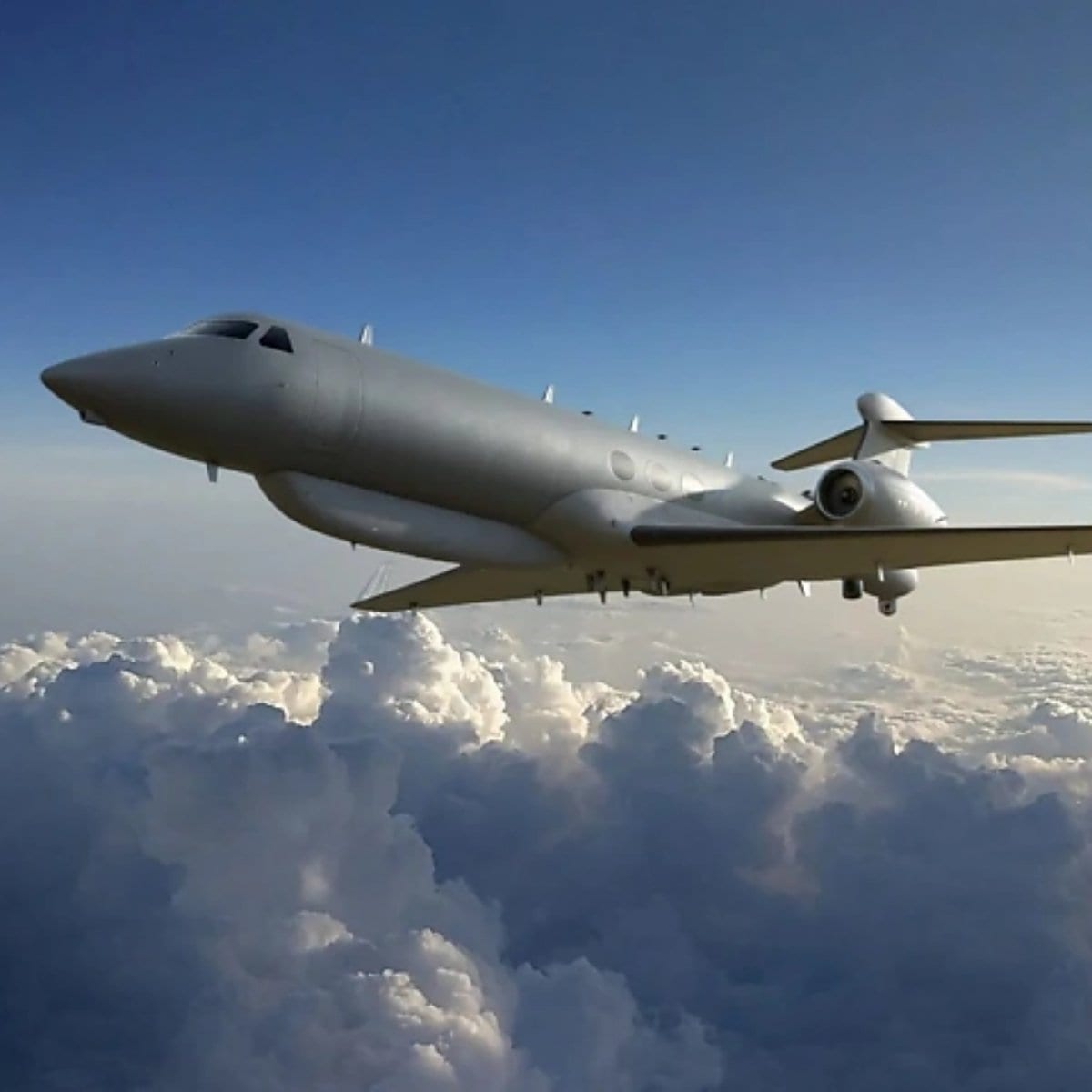
The first MC-55A Peregrine was delivered to Australia in January 2026. It is a first-of-type airborne intelligence, surveillance, reconnaissance and electronic-warfare platform. Air Force says it is designed to deliver multi-intelligence effects and to strengthen Australia's ability to monitor its strategic area of interest, including key maritime approaches. [6]
Air Force News reported in July 2026 that MC-55A operational test and evaluation flights from Darwin contributed to Defence's real-time picture of the region. The same report described those ISR deployments as providing knowledge of what is happening in the region, which supports informed decision-making. [5]
People Still Turn Sensor Data into Decisions
Advanced aircraft and sensors matter, but they do not remove the need for human judgement. Defence describes airborne electronic analysts working across the E-7A Wedgetail, MC-55A Peregrine, P-8A Poseidon and MQ-4C Triton, interpreting live sensor feeds and sharing information with mission crews. [4]
That is why intelligence work is not simply 'watching a screen'. The value comes from identifying what the information means, combining it with other sources and giving decision-makers a clearer understanding of the situation.
Response Does Not Always Mean a Combat Action
The word response can sound automatically offensive, but the public role is broader than that. Depending on the situation and the authority in place, a response could involve warning, monitoring, changing posture, coordinating another asset, supporting search and rescue, protecting a force, or taking another authorised action.
The RAAF's P-8A is a good example because its published roles include both surveillance and search and rescue. The Surveillance and Response Group also includes early warning, airspace control and maritime functions. The common thread is that useful awareness gives Defence more informed options. [2] [7]
Why This RAAF Role Matters to the Wider ADF
Air Force says it generates air effects across the sea, land, air, space and cyber domains. Intelligence and surveillance can therefore support more than Air Force alone. A better picture of the environment can help ships, aircraft, land forces and joint headquarters understand what is happening and coordinate their next steps. [1]
For readers, the key idea is simple: information becomes valuable when it improves understanding and supports a better decision. That is the connection between intelligence, surveillance and response in the RAAF's public mission statement.
Interested in Australian Air Force history and service-related collectables? Explore Military Shop's collectables and gifts.
Sources
1. Royal Australian Air Force, Mission and purpose
2. Royal Australian Air Force, Surveillance and Response Group
3. Australian Defence Force, ADF Air Power, Edition 1
4. Defence, Aircraft fly fast, but information moves faster, 12 March 2026
5. Air Force News, A new eye on the north skies, 16 July 2026
6. Royal Australian Air Force, MC-55A Peregrine
7. Royal Australian Air Force, P-8A Poseidon
8. Royal Australian Air Force, MQ-4C Triton
FAQs
What are the four key air-power roles listed in the Royal Australian Air Force's public mission?
The four key roles are control of the air, precision strike, air mobility, and intelligence, surveillance and response.
How does ADF doctrine distinguish between surveillance and reconnaissance?
Surveillance is described as the systematic observation of places, persons, or things from the air, whereas reconnaissance is flown specifically to obtain information about a specific threat or the operating environment.
What is the primary responsibility of the RAAF's Surveillance and Response Group?
The group is responsible for air surveillance assets, maritime warfare, aerospace surveillance, battlespace management, and the development of intelligence, surveillance, reconnaissance, and electronic-warfare capabilities.
What are some of the primary roles of the P-8A Poseidon aircraft?
Its primary roles include maritime and overland intelligence, surveillance, and reconnaissance, alongside anti-submarine warfare, anti-surface warfare, and search and rescue.
What makes the MQ-4C Triton distinct as a surveillance asset?
It is a remotely piloted aircraft designed for maritime patrol and other surveillance roles whose endurance allows it to remain airborne for longer periods.
What capability does the MC-55A Peregrine add to the RAAF?
It is designed to deliver multi-intelligence effects and to strengthen Australia's ability to monitor its strategic area of interest, including key maritime approaches.
Does a "response" in the context of the RAAF's ISR mission always mean a combat action?
No, the response can involve warning, monitoring, changing posture, coordinating another asset, supporting search and rescue, protecting a force, or taking another authorised action.