


Control of the Air: What the RAAF's Public Mission Means
Table of Contents
- Control of the Air Creates Freedom for Friendly Forces to Operate
- Offensive and Defensive Counter Air Are Two Main Ways to Pursue Control
- Defensive Counter Air Protects Friendly Forces from Air and Missile Threats
- Offensive Counter Air Reduces an Adversary's Ability to Use Air Power
- Control of the Air Is Not Only About Fighter Aircraft
- Control of the Air Helps Land and Maritime Forces Do Their Jobs
- Air Traffic Control and Control of the Air Are Not the Same Thing
- Exercises Let Australia Practise Air Control with Allies and Partners
- Why Understanding Control of the Air Makes the RAAF's Mission Easier to Understand
- Sources
- FAQs
In plain English: control of the air is about creating enough freedom from hostile air and missile interference for Australian and partner forces to operate. It is a military air-power role, not another name for civilian air traffic control.
The phrase “control of the air” can sound as though it simply means owning the sky. The Royal Australian Air Force uses the term more carefully. Air Force lists control of the air as one of its key air-power roles, alongside precision strike, intelligence, surveillance and response, and air mobility.[1]
For a general reader, the easiest way to understand the idea is to think about freedom to operate. Australian Defence doctrine explains degrees of air control in terms of how much hostile air power and air defence can interfere with friendly operations. The goal is not automatically to make every part of the sky completely uncontested. The level of control required depends on the situation. [2]
Control of the Air Creates Freedom for Friendly Forces to Operate
Control of the air matters because aircraft, ships and land forces are all more vulnerable when an adversary can interfere freely from the air. Australia's current ADF air-power publication describes air superiority as a degree of control that allows freedom of manoeuvre without prohibitive interference from opposing air power and air defences. Air supremacy is a stronger condition, where operations can proceed without effective interference. [2]
That means control of the air is better understood as a spectrum than as a simple yes-or-no condition. A force may have enough control for a particular operation, in a particular place and for a particular period, without having unrestricted control everywhere.
| Term | Plain-English meaning | Why it matters |
| Control of the air | The broader military objective of limiting hostile air interference enough for friendly operations. | Creates freedom to move, protect forces and conduct missions. |
| Air superiority | A degree of control where hostile interference is not prohibitive. | Friendly forces retain meaningful freedom of manoeuvre. |
| Air supremacy | A stronger degree of control where hostile air interference is not effective. | Friendly operations face far less effective opposition from the air. |
Offensive and Defensive Counter Air Are Two Main Ways to Pursue Control
Australian air-power doctrine describes two types of counter-air activity: defensive counter air and offensive counter air. The Air Power Manual explains that counter-air activity is intended to reduce the ability of an adversary's military air power to interfere with friendly forces. [4]
Defensive Counter Air Protects Friendly Forces from Air and Missile Threats
Defensive counter air is the protective side of the problem. In public Defence doctrine, it includes active and passive measures to detect, identify, intercept or otherwise reduce the effectiveness of hostile air activity. The purpose is protection of friendly people, territory and assets. [4]
Offensive Counter Air Reduces an Adversary's Ability to Use Air Power
Offensive counter air is proactive. Defence doctrine describes it as activity intended to destroy, degrade, neutralise or disrupt adversary air power, or contain it as close to its source as possible. For a public explainer, the important point is the purpose, not the tactical detail: reduce the adversary's ability to interfere from the air. [4]
Control of the Air Is Not Only About Fighter Aircraft
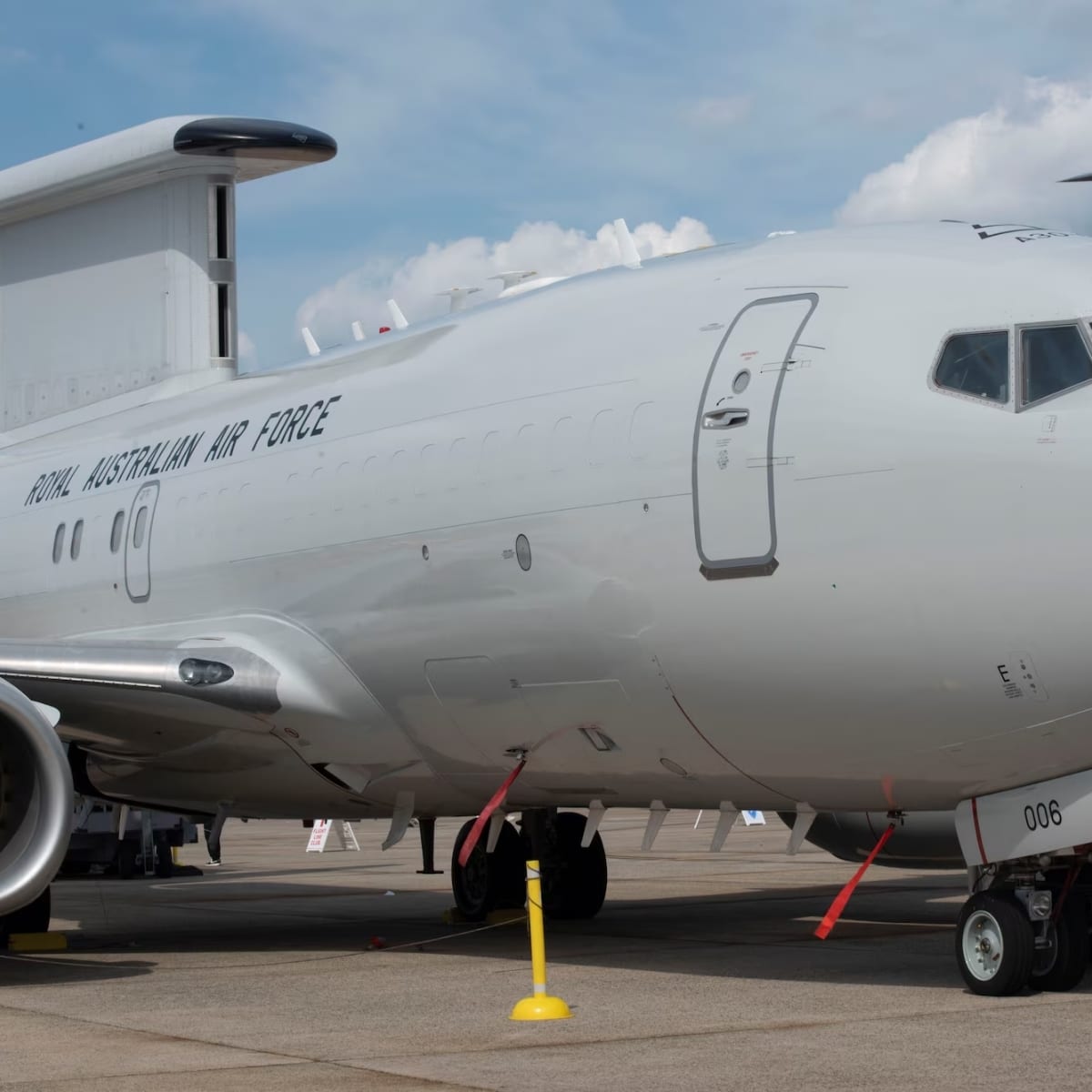
Fast jets are an obvious part of the picture, but they are not the whole picture. Current ADF doctrine says counter-air contributions need to be considered alongside contributions from other operational domains. Air Force also relies on surveillance, command and control, communications, support systems and people who help build an accurate picture of what is happening in the air. [4]
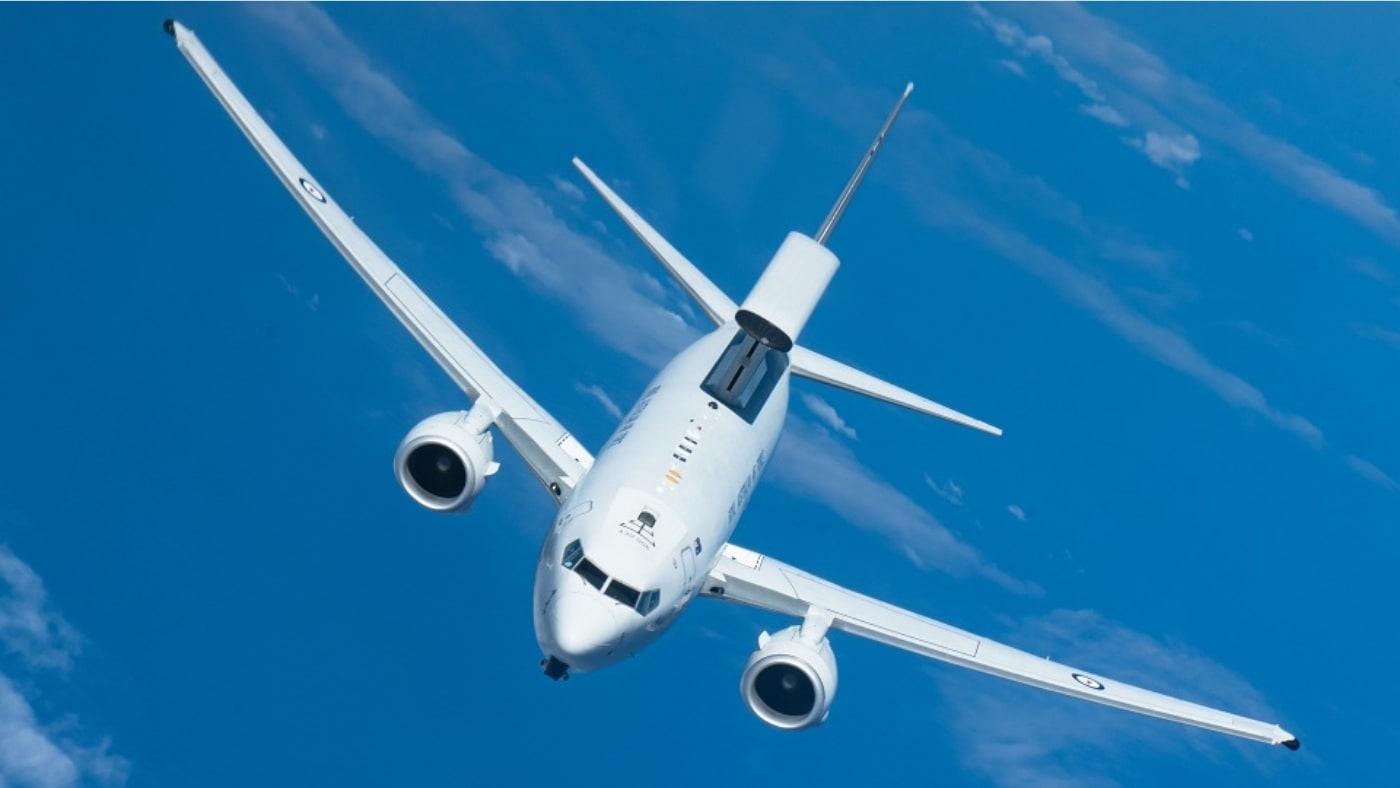
A useful public example is the E-7A Wedgetail. Defence describes the aircraft's airborne early warning and control system as providing surveillance and command-and-control support across air, sea and land assets. In February 2024, Australian, British and United States personnel met at RAAF Base Williamtown to strengthen cooperation around the E-7 capability. [5]
This is why “control of the air” should not be reduced to a mental picture of one fighter aircraft chasing another. The role depends on information, coordination, protection, support and integration across the wider force.
Control of the Air Helps Land and Maritime Forces Do Their Jobs
The RAAF does not operate in isolation. Air Force says it generates air effects across sea, land, air, space and cyber domains. Army's current mission likewise places land power inside an integrated force. These public mission statements point to the same idea: the services are expected to work together rather than solve separate problems independently. [1] [6]
In practical terms, adequate control of the air can help aircraft move people and supplies, help ships operate with less interference from hostile aircraft, and help land forces manoeuvre with greater protection from threats in the air. It supports other operations, rather than existing as an end in itself. [2] [4]
Air Traffic Control and Control of the Air Are Not the Same Thing
The words sound similar, but the jobs are different. Air traffic control is about the safe and orderly movement of aircraft. Military control of the air is about freedom from adversary air power and air-defence interference. [2]
RAAF air traffic controllers can support both military and civilian flying environments. At the 2025 Australian International Airshow at Avalon, RAAF controllers worked alongside Airservices Australia to manage a busy mix of military and civilian aircraft. That work involved safe airspace management, not the military concept of gaining control of the air against an adversary. [8]
Exercises Let Australia Practise Air Control with Allies and Partners
Control of the air also has an international dimension because Australia regularly trains with partners. Exercise Pitch Black 26 brought together 21 partner nations, around 100 aircraft and more than 2,500 personnel in northern Australia. Defence described the exercise as high-end air-combat training that integrated fighter aircraft, intelligence and surveillance platforms, air mobility and command-and-control elements. [7]
That does not mean every activity in Pitch Black was a control-of-the-air mission. It does show why cooperation matters. Modern air operations depend on different aircraft, specialists and partner forces being able to communicate, plan and operate together.
Why Understanding Control of the Air Makes the RAAF's Mission Easier to Understand
Once the term is stripped of jargon, the idea is straightforward. Control of the air is about creating enough freedom from hostile air interference for the wider force to operate. Sometimes that means defending friendly airspace. Sometimes it means reducing an adversary's ability to use air power. Often it requires surveillance, command and control, support and contributions from more than one service or domain.
That broader view also helps explain why Air Force's public mission is not simply “to fly aircraft”. Air Force says it will fight and win by generating air and space effects across the sea, land, air, space and cyber domains. [1]
Want to explore more Australian military history and service-related collectables? Browse Military Shop's collectables and gifts.
Sources
1. Royal Australian Air Force, Mission and purpose: https://www.airforce.gov.au/about-us/overview/mission-purpose
2. Australian Defence Force, ADF Air Power, Edition 1: https://airpower.airforce.gov.au/sites/default/files/2024-01/ADF-I-3%20ADF%20Air%20Power%20Ed%201.pdf
3. Royal Australian Air Force, Air Combat Group: https://www.airforce.gov.au/about-us/hq-air-command/air-combat-group
4. Royal Australian Air Force, The Air Power Manual, 7th Edition: https://airpower.airforce.gov.au/sites/default/files/2022-03/220124%20-%20PDF%20%28HI-RES%29%20%20-%20Air%20Power%20Manual%20ED7%20AL0.pdf
5. Defence, Working with partners to control the skies, 21 February 2024: https://www.defence.gov.au/news-events/news/2024-02-21/working-partners-control-skies
6. Australian Army, Our Mission: https://www.army.gov.au/about-us/who-we-are/our-mission
7. Defence, Exercise Pitch Black 2026 concludes, 7 August 2026 release: https://www.defence.gov.au/news-events/releases/2026-08-07/exercise-pitch-black-2026-concludes
8. Defence, Towering success at Avalon, 30 March 2025: https://www.defence.gov.au/news-events/news/2025-03-30/towering-success-avalon
FAQs
What does "control of the air" mean in plain English?
It refers to creating enough freedom from hostile air and missile interference so that Australian and partner forces can operate effectively.
Is air superiority the same thing as having unrestricted control everywhere?
No, air superiority is a degree of control that allows freedom of manoeuvre without prohibitive interference in a particular place, for a specific period, and for a particular operation.
What are the two main ways the RAAF pursues control of the air?
The two main activities are defensive counter air and offensive counter air.
What is the primary purpose of defensive counter air?
Its purpose is to protect friendly people, territory, and assets by using active and passive measures to detect, identify, intercept, or reduce the effectiveness of hostile air activity.
How does offensive counter air differ in its approach?
It is proactive, focusing on destroying, degrading, neutralising, or disrupting adversary air power, or containing it as close to its source as possible.
Are fighter aircraft the only elements involved in control of the air?
No, the role also relies on surveillance, command and control, communications, support systems, and contributions from other operational domains and assets like the E-7A Wedgetail.
Are air traffic control and military control of the air the same job?
No, air traffic control focuses on the safe and orderly movement of aircraft, whereas military control of the air is about freedom from adversary air power and air-defence interference.