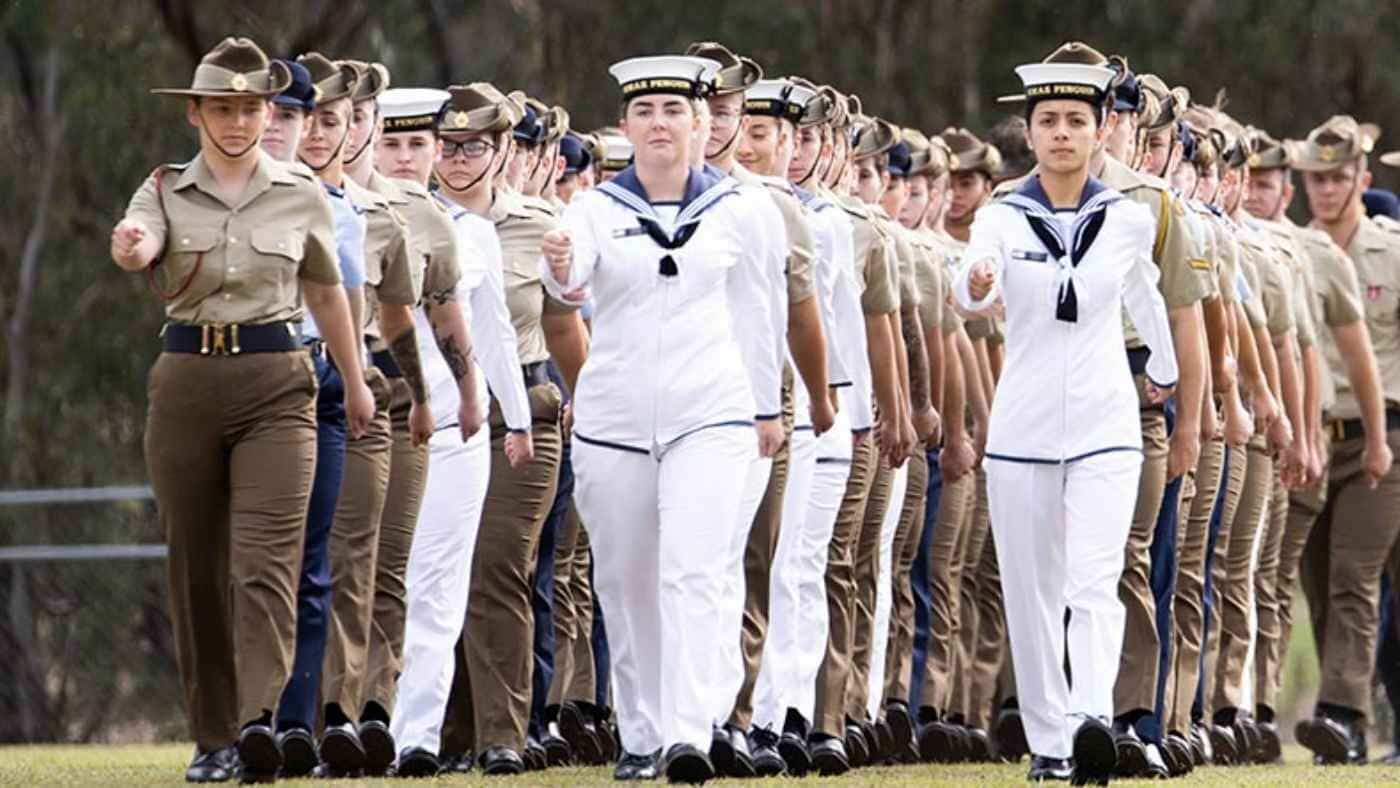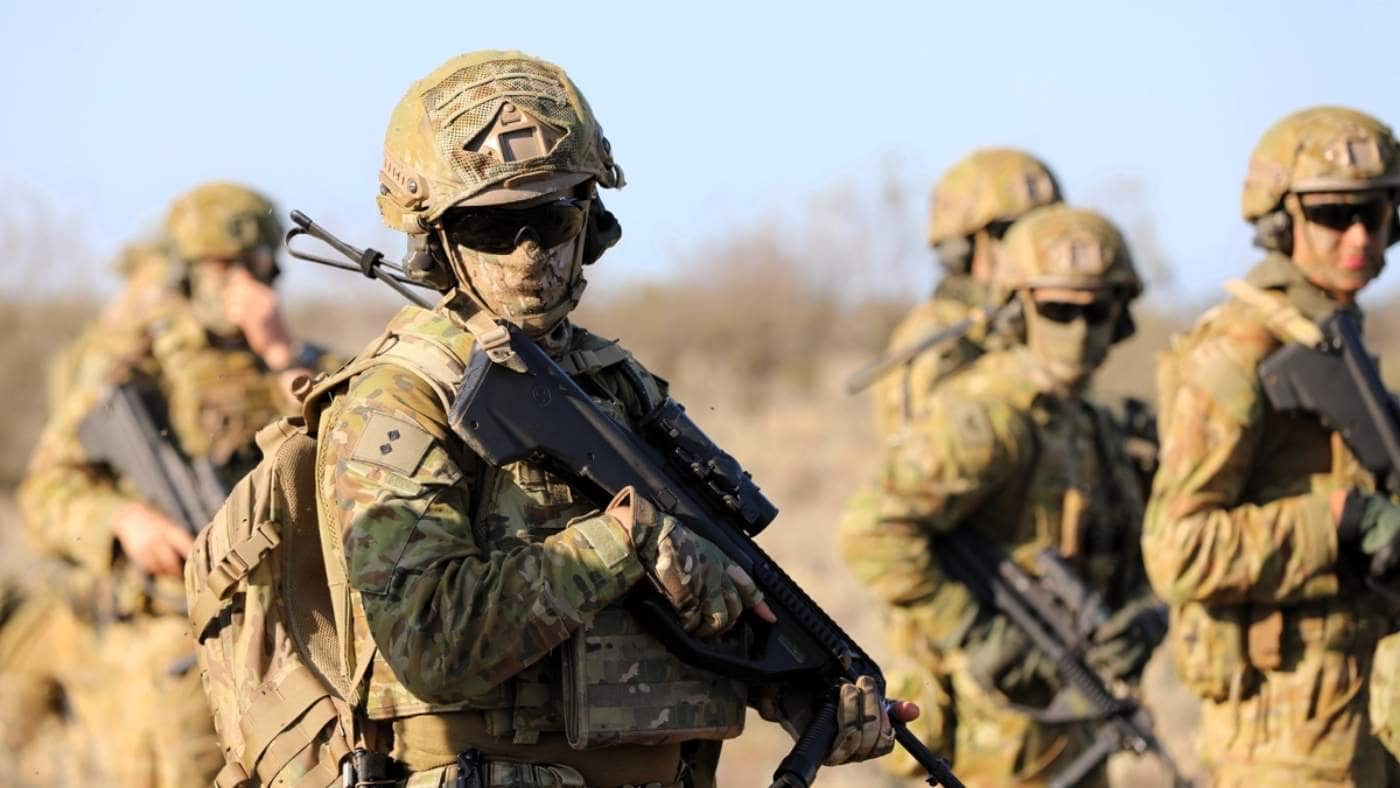



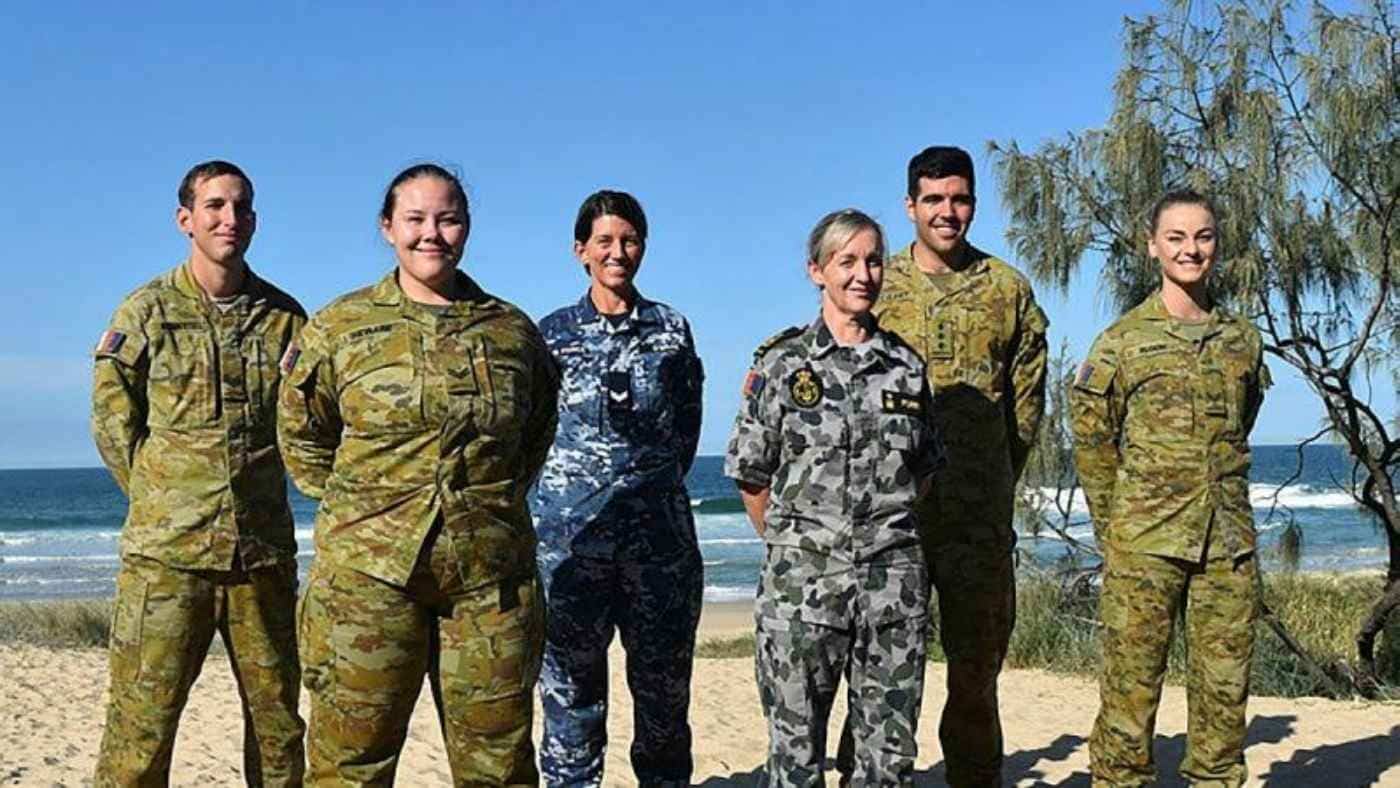
Shared Defence Values Across Army, Navy, and Air Force
Table of Contents
- What the five Defence values mean
- Values and behaviours describe connected expectations
- The services share the values and explain them through their work
- Navy connects values with everyday working behaviours
- Army connects living the values with trust
- Air Force shows respect through support for colleagues
- Shared values do not erase service identity
- Use specific actions when writing about someone’s values
- Separate the current framework from historical wording
- Distinguish published expectations from individual conduct
- Check five details before publishing a tribute
- Choose a commemorative item that matches the person’s service
- Sources
- FAQs
Service, Courage, Respect, Integrity and Excellence are the shared Defence values. Navy, Army and Air Force have distinct identities, but they do not each have a different current set of these five values. Defence describes a unified framework that applies to decisions and actions across all its Groups and Services. [1, 2]
For service families and readers of military history, this distinction is useful. A service’s traditions help tell its story. Shared values describe expectations of character and conduct. This article explains the five values in plain language, compares official examples from the services, and offers a careful way to use them in a tribute or family history.
What the five Defence values mean
The summaries below paraphrase the definitions published on Navy’s official mission and values page. They are explanations for readers, not replacement official wording. [2]
| Shared value | Meaning in plain language |
| Service | Put the nation’s security and the interests of its people before personal interests. |
| Courage | Choose to speak and act rightly, including when doing so is difficult. |
| Respect | Recognise other people’s worth and uphold their dignity. |
| Integrity | Keep what you think, say and do consistent with doing what is right. |
| Excellence | Keep working to improve personally and professionally each day. |
These values should be read together. For example, speaking honestly about a problem can involve both courage and integrity. Listening carefully to the people affected can bring respect into the same decision. This is an illustrative interpretation, not a report of a particular military incident.
Values and behaviours describe connected expectations
Defence also publishes six supporting behaviours. In paraphrase, these concern purposeful action for Defence and the nation, adaptability and innovation, teamwork, accountability and trustworthiness, reflection and improvement, and inclusion. They connect the values to the way personnel are expected to work. [1]
A value names the underlying expectation. A behaviour makes that expectation easier to recognise in an action. “Integrity”, for instance, is more informative in a story when the writer can explain what someone reported accurately or took responsibility for. The specific action still needs evidence.
The services share the values and explain them through their work
The comparison below draws on published service material. Each example has a different emphasis, but none assigns a value exclusively to one service. Respect is not only an Air Force concern, and trust is not only an Army concern.
Navy connects values with everyday working behaviours
Navy’s mission and values page groups its supporting behaviours around people, performance and professionalism. Its guidance emphasises cooperation and inclusion, adapting and learning, and purposeful, accountable conduct. This shows how the shared framework is presented in Navy’s own working context. [2]
For a reader, that is a useful distinction between a list of words and an explanation of their application. When describing a sailor’s contribution, look for a documented action rather than assuming a general statement about Navy describes every individual’s experience.
Army connects living the values with trust
In its 2026 contribution to the National Defence Strategy, Army identifies trust, readiness, thrift and telling its story as four strategic priorities. Under trust, it explains that values must be expressed through people’s thinking, speech and actions, with professional responsibility and accountability. These four priorities serve a different purpose from the five shared Defence values. [3]
This is worth remembering when several lists appear in the same document. A list of strategic priorities does not automatically replace a values statement. Keep the source’s heading and purpose attached to the list when summarising it for someone else.
Air Force shows respect through support for colleagues
A Defence article published on 20 March 2021 provides a named example. Flight Lieutenant Rachel Morris, then described as a personnel capability officer in No. 23 Squadron, discussed communicating with and supporting unit members. She explained how her background helped her offer support to colleagues with diverse backgrounds, and linked respect for people’s different skills and perspectives with Air Force’s success. [4]
That account gives the value of respect a specific setting: the daily work of supporting people. It is a dated, attributed example, not evidence of the officer’s current posting or a claim that all personnel have had the same experience.
Shared values do not erase service identity
In the Chief of Air Force’s 103rd birthday commemorative address, published on 3 April 2024, the five values sit alongside an acknowledgement that the services retain their own identities, customs and traditions while operating together as an integrated force. [5]
A service tradition and a shared expectation can therefore both matter in the same story. You can recognise a person’s particular Navy, Army or Air Force connection while explaining the values that Defence expects across the organisation.
Use specific actions when writing about someone’s values
A retirement message or family history becomes more meaningful when it tells readers what the person actually did. Start with a verified action, identify the value it may illustrate, and explain the connection without turning an interpretation into an official finding.
For example, a hypothetical tribute might describe someone patiently helping a new colleague learn a task. Depending on the documented details, the writer could discuss respect, service or excellence. Do not add a dramatic incident, a quotation or a military achievement simply to make the tribute fit all five values.
Separate the current framework from historical wording
When working with an old speech, training booklet or family record, retain its date and wording. Check a current official values page before calling an older list today’s framework. If discussing the past through today’s values, make clear that this is your interpretation rather than claiming the same formal wording was in use at the time.
This also applies to foreign military material. A familiar word such as courage can appear in several organisations’ values, but a list from another country is not evidence of the current Australian framework. Identify the organisation before borrowing a definition.
Distinguish published expectations from individual conduct
An organisation’s values state what it expects. They are not proof that every action or experience has met that standard. The 2024 Air Force commemorative address itself acknowledged that Air Force had not always provided an environment where all aviators felt safe and valued. [5]
A respectful article can recognise service while retaining that distinction. Avoid absolute claims such as “every member always demonstrates all five values”. Where you discuss a person’s conduct, use a reliable account of that conduct and make the limits of the evidence clear.
Check five details before publishing a tribute
- Confirm the person’s service, name, rank and relevant period against the records available to you.
- Describe the specific contribution before choosing the value you think it illustrates.
- Attribute published examples to their source and retain the date when it affects the meaning.
- Use quotation marks only for exact, verified words. Label any invented teaching example as hypothetical.
- Read the wording with the person or family where appropriate, especially when it includes personal experiences.
Choose a commemorative item that matches the person’s service
If you are preparing a gift to accompany your message, begin with the service connection you have confirmed. Check the item’s design and description, and keep any accompanying wording specific to the person. A commemorative product does not establish their service history or certify their character.
Explore Military Shop’s collectables and gifts for service-themed options. Pair the item with a short, accurate message about the contribution you want to recognise, supported by the person’s own story. [6]
Sources
1 Defence | Values and behaviours
2 Royal Australian Navy | Mission and values
3 Australian Army | Contribution to the National Defence Strategy 2026
4 Defence | Respect critical to Air Force’s success | 20 March 2021
5 Air Force | 103rd Birthday Commemorative Service | 3 April 2024
6 Military Shop | Collectables and gifts
FAQs
What are the five shared values of the Australian Defence Force (ADF)?
The five shared Defence values are Service, Courage, Respect, Integrity, and Excellence.
Do the Navy, Army, and Air Force each have a different set of current values?
No. Defence describes a unified framework of values that applies to decisions and actions across all of its Groups and Services, meaning the three services share the same values.
What is the difference between a Defence value and a supporting behaviour?
A value names the underlying expectation of character and conduct, whereas a supporting behaviour makes that expectation easier to recognise in an actual action.
How does the Australian Army connect its values in its strategic planning?
In its 2026 contribution to the National Defence Strategy, the Army identifies trust, readiness, thrift, and telling its story as four strategic priorities, explaining that values must be expressed through people's thinking, speech, and actions with professional responsibility and accountability.
Does an organisation's published values prove that every single member always meets those standards?
No. An organisation's values state what it expects, but they are not proof that every action or experience has met that standard.