


Beyond the Uniform: Supporting Australian Veterans
Table of Contents
Transitioning from military service to civilian life is one of the most significant shifts an individual can experience. After years of structured routines, deep-rooted mateship, and a clear sense of mission within the ADF, stepping away from the uniform can bring unexpected challenges. For many Australian veterans, finding footing in the civilian world requires more than just a regular job; it requires a strong, understanding community network.
While public gratitude is often visible during Anzac Day and Remembrance Day, genuine, lasting backing requires year-round effort. Whether you are a family member, a local business owner, an employer, or a community leader, understanding how to provide practical veteran support is vital. Exploring how the broader community interacts with Australian veterans helps bridge the gap between military service and civilian life, ensuring those who served our country continue to thrive long after hanging up their uniform.
Understanding the Journey of ADF Veterans
To offer meaningful assistance, it helps to understand what the transition actually entails. Members of the ADF spend years training for high-tempo environments, operating under intense teamwork, discipline, and shared purpose. When that chapter closes, the sudden absence of structure and the unique camaraderie of service can lead to feelings of isolation.
Navigating civilian housing, translating military skills into civilian resumes, and adjusting to a completely different workplace culture can be overwhelming. Recognising that every one of our Australian veterans has a unique story is the first step toward building an inclusive community. Mateship does not end when service concludes; it simply evolves into a civilian responsibility where neighbours, employers, and community groups all play a part.
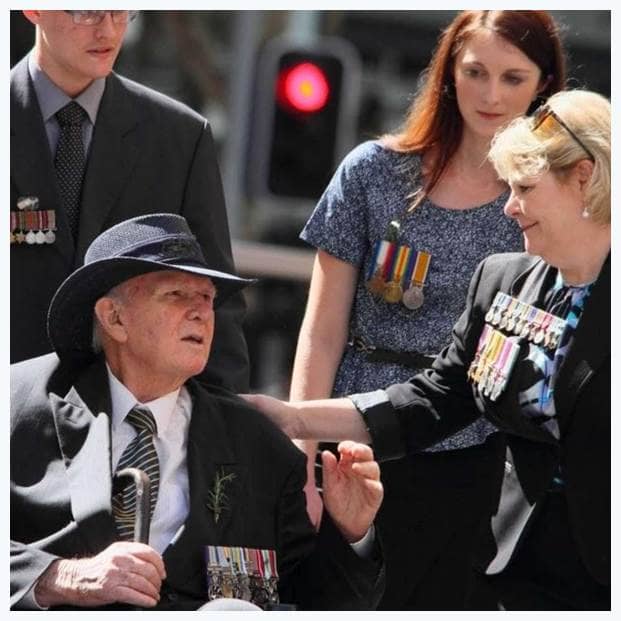
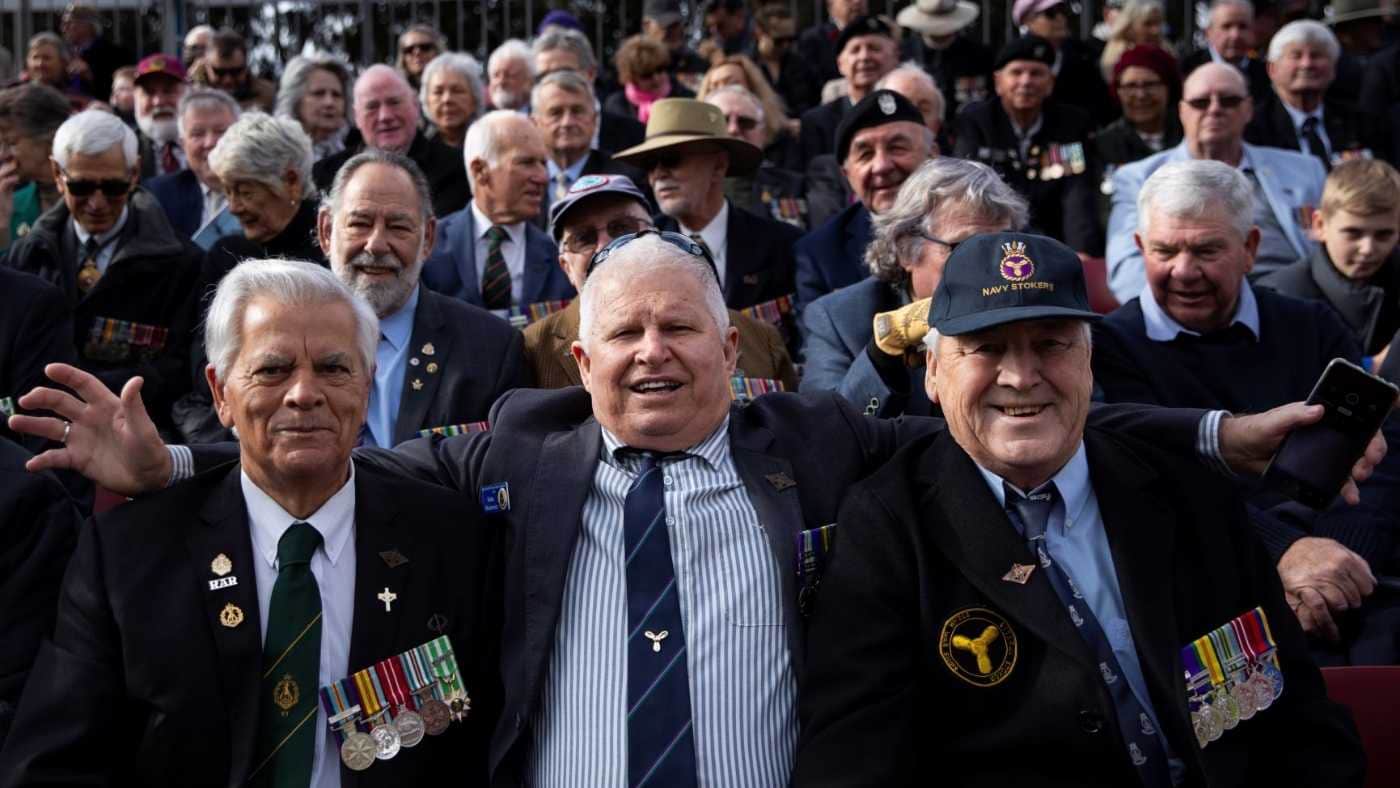
Image credit: Relationships Australia Queensland
Navigating the Support System for Australian Veterans
Australia has a comprehensive framework designed to assist former service members, anchored by government bodies and specialised advocacy groups. Knowing where to direct someone in need can make all the difference.
Key Pillars of Support
- Department of Veterans' Affairs (DVA): The Australian Government department established to support serving and ex-serving ADF members and their families, including through compensation and income support, health services and rehabilitation. For many Australian veterans, navigating the DVA claims process can be daunting, and family or community assistance with paperwork can be invaluable. Practical tools such as the digital Veteran Card in the myGov app can also make everyday access easier.
- Specialised Health Services: Accessing tailored Australian veteran health services ensures that psychological and physical wellbeing are prioritised. This includes veteran mental health support through Open Arms Veterans and Families Counselling, which provides free, confidential counselling for current and former serving ADF members and their immediate families. Open Arms is available 24 hours a day, 7 days a week by calling 1800 011 046.
- Ex-Service Organisations (ESOs): Charities, local RSL sub-branches, and community organisations offer local connection points and, according to DVA, can help with advocacy, visitation, financial and employment support, and social activities. Community funding also plays a part, as shown by grants for veteran wellbeing programs.
When community members familiarise themselves with resources provided by groups like RSL LifeCare, which cares for veterans and seniors throughout NSW and the ACT, and the Veteran Support Force (VSF), they become better equipped to point former service members toward professional assistance when challenges arise.
Practical Ways to Support Australian Veterans in Your Community
You do not need to be a policy expert or a welfare officer to make a tangible impact. Meaningful support often happens at the local, grassroots level through everyday interactions and conscious community efforts.
1. Hire and Mentor Former Service Members
Employers hold a powerful position in supporting ADF veterans, and veteran employment is one of the most practical forms of support a business can offer. Military personnel possess incredible transferable skills, including leadership under pressure, crisis management, logistics expertise, resilience, and adaptability. However, translating a military service record into a standard civilian CV can be challenging. By actively implementing veteran-friendly hiring practices and offering mentorship during their first year in the civilian workforce, businesses can tap into an exceptional talent pool while easing the transition.
2. Check in and Listen Actively
Sometimes, the most powerful support is simply showing up. Isolation is a common hurdle after discharge. Regular, casual check-ins with veteran friends, neighbours, or colleagues show that they are valued as individuals, not just for their past service. Active listening, without judgement or pressure to share combat stories, creates a safe space for open conversations.
3. Connect Them with Peer Networks
Mateship is central to military culture. Encouraging former service members to connect with local community groups, RSL sub-branches, sporting clubs, or hobby associations helps recreate that vital sense of belonging. Knowing they are surrounded by peers who "get it" can do a great deal for wellbeing and morale.
4. Educate Yourself on Available Services
Be a bridge to information. If you notice a veteran struggling with physical rehabilitation, housing, or mental health, having a basic understanding of what the Department of Veterans' Affairs, Open Arms or local welfare bodies provide allows you to guide them toward professional help respectfully and discreetly.
The Role of Recognition and Commemoration
Supporting our service members is not only about addressing practical transition hurdles; it is also about honouring their contributions with dignity. Participating in commemorative events, supporting veteran-led charities, and choosing meaningful keepsakes, such as the military challenge coins that hold lifelong meaning for Australian veterans, all reinforce a culture of national gratitude. Military Shop offers commemorative collectables, military history books and medal mounting to help families honour service.
When communities take the time to learn about military history and acknowledge the ongoing sacrifices of families and personnel, it validates their service and fosters a culture of mutual respect.
Moving Forward Together
Supporting Australian veterans is an ongoing commitment that extends far beyond a single day on the calendar. By fostering inclusive workplaces, understanding institutional structures like the Department of Veterans' Affairs, and championing local veteran support networks, we can ensure that every member of the ADF feels valued, respected, and supported as they write the next chapter of their lives.
True support is about empowering individuals, honouring their unique skills, and ensuring they never have to walk alone after stepping beyond the uniform.