


10 Emergency Thermal Blanket Uses You Should Know for Outdoor Survival & Field Operations
Table of Contents
Whether you are an active ADF service member, a cadet, an avid bushwalker, or a weekend camper exploring the Australian Outback, your survival kit is only as good as the gear inside it. When space and weight are at a premium, versatile multi-use tools are essential.
Enter the humble emergency thermal blanket.
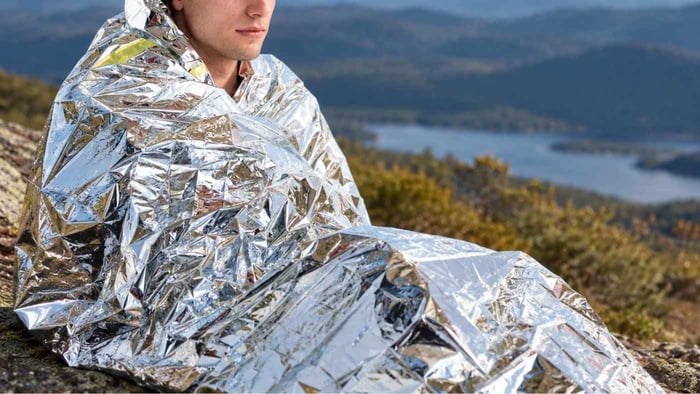
Often referred to as a Mylar blanket, space blanket, or foil blanket, an emergency thermal blanket is an ultra-lightweight, compact sheet made from heat-reflective plastic film. While primarily designed to retain body heat during medical emergencies, its high tensile strength, waterproof nature, and reflective properties make it one of the most versatile pieces of survival equipment you can carry.
Below, we detail ten tactical and survival emergency thermal blanket uses every outdoor enthusiast and operator in Australia should master.
Treating Shock and Preventing Hypothermia
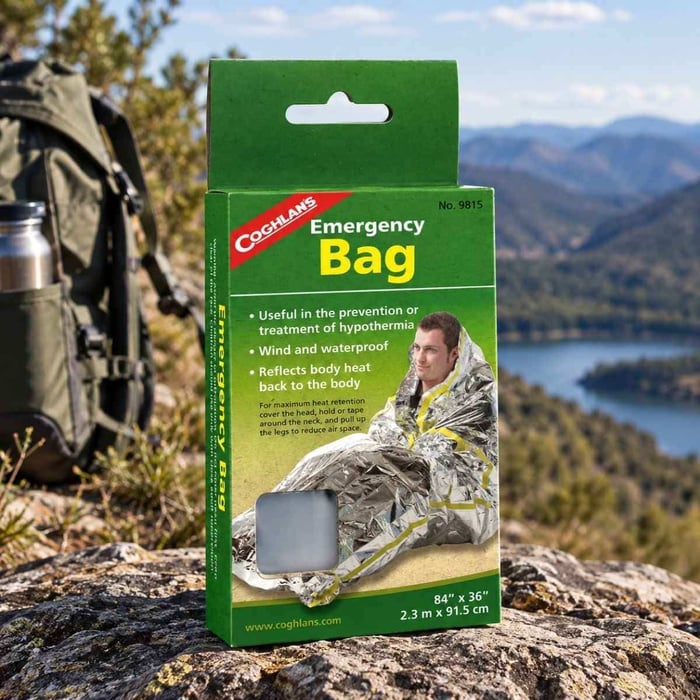
The core purpose of an emergency thermal blanket is thermo-regulation. In a trauma situation or during sudden exposure to severe cold, the body quickly loses heat through radiation and evaporation. An emergency thermal blanket works by reflecting up to 90% of your body’s radiant heat back toward you.
Field Tip: When wrapping a casualty suffering from shock or exposure, ensure the metallic reflective side is facing inwards toward the body. Tuck the edges closely around the neck and feet to prevent warm air from escaping.
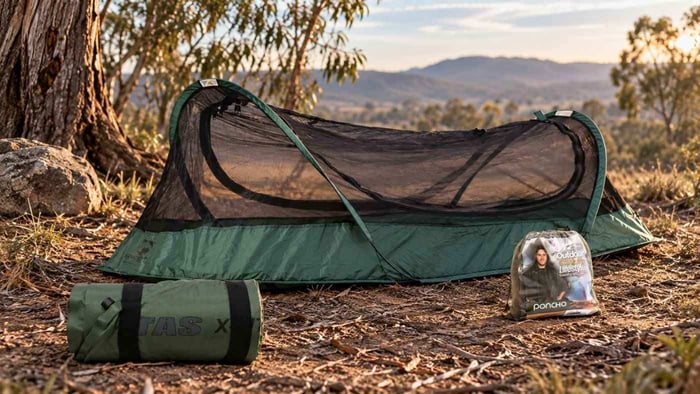
Building an Improvised Lean-To or Shelter
When caught in an unexpected downpour or stranded in the bush overnight, an emergency thermal blanket can instantly double as a waterproof tarp or shelter roof.
By stringing paracord between two trees and draping the blanket over it, you can form a basic A-frame shelter. If you are building a traditional timber lean-to, lining the interior roof with the metallic sheet will bounce the heat of your campfire back down onto your sleeping area.
Reflecting Harsh Heat and Direct Sun
Extreme heat is just as dangerous as extreme cold, particularly across rural and remote regions of Australia. Many dual-sided emergency thermal blanket designs feature a silver side and a gold or high-visibility side.
If you are stuck in open terrain without shade, turn the silver reflective side outward away from you. String it up as an awning over your bivvy, tent, or vehicle window to reflect intense ultraviolet rays and drastically lower the ambient temperature beneath it.
Signaling for Rescue
If you become lost or injured in remote terrain, attracting the attention of search and rescue aircraft or ground teams is a top priority.
The high-contrast, mirror-like finish of an emergency thermal blanket makes it an exceptionally effective signal mirror. Laying the blanket flat in an open clearing or angling it toward incoming vehicles or aircraft creates powerful, flashing light reflections visible from kilometres away.
Rainwater Harvesting and Dew Collection
Finding clean drinking water in the Australian bush can quickly become a life-or-death scenario. Because Mylar material is completely non-porous and waterproof, an emergency thermal blanket serves as an effective water catchment sheet.
Rainfall: Dig a small depression in the ground, drape the blanket over it, and weigh down the corners with smooth rocks to create a clean reservoir.
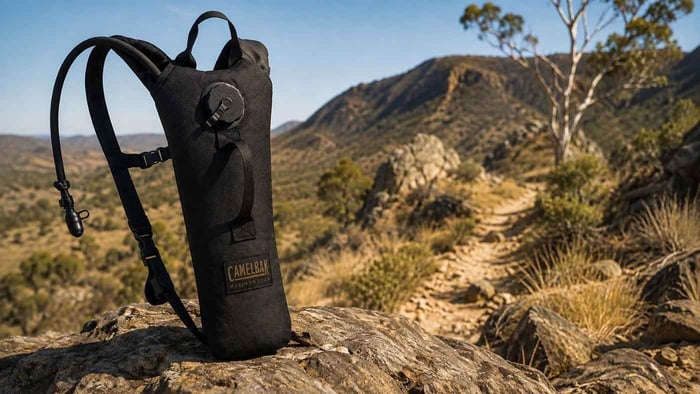
Morning Dew: Spread the blanket over low vegetation overnight. In the morning, tilt the corners inward to funnel collected condensation directly into your canteen or hydration bladder.
6. Improvised First Aid Slings and Tourniquets
In a field emergency where medical supplies are depleted, an emergency thermal blanket offers surprisingly high tensile strength when twisted.
By cutting or folding a section of the blanket into a wide strip, you can construct an effective arm sling, immobilise a fractured limb against a splint, or secure heavy dressings over major wounds.
7. Fire Protection and Containment
In fire-prone environments across Australia, having gear that resists extreme heat can prove vital. While a standard emergency thermal blanket is engineered primarily for body heat reflection, a heavy-duty fireproof emergency blanket (often constructed from woven glass fibre) is designed specifically to smother spot fires or protect personnel from direct flame contact.
Carrying a dedicated emergency fire blanket alongside your standard medical kit provides an extra layer of defense when operating near open campfires, tactical cook stoves, or during bushfire emergencies.
8. Waterproofing Critical Gear and Sleeping Kits
Crossing rivers, navigating wet scrub, or enduring prolonged downpours can easily compromise your pack contents. Wrapping your sleeping bag, spare uniform, or sensitive electronics inside an emergency thermal blanket before stowing them in your rucksack creates a durable, waterproof barrier against moisture ingress.
Additionally, placing an emergency thermal blanket underneath your foam sleeping mat blocks ground dampness and prevents cold earth from sapping your body warmth overnight.
9. Cooking and Solar Heat Amplification
When fuel is low, you can leverage the reflective properties of an emergency thermal blanket to concentrate solar energy. By lining a cardboard box or a curved wooden frame with the metallic material, you can construct a functional solar oven to warm rations or speed up water purification efforts under direct sunlight.
10. Cooling Your Vehicle Interior
Parked vehicles in the Australian sun can reach lethal internal temperatures within minutes. Placing an emergency thermal blanket across your windscreen, silver side facing out reflects incoming solar radiation far more effectively than standard cardboard sunshades, keeping the cabin significantly cooler during extended field deployments or road trips.
What to Look for in the Best Emergency Blanket Australia
Not all emergency blankets are manufactured to the same standard. When selecting the best emergency blanket for your bug-out bag, vehicle glovebox, or military kit, keep the following factors in mind:
| Feature | Standard Foil Blanket | Tactical / Heavy-Duty Blanket |
| Material | Lightweight Mylar film | Reinforced tear-resistant polymer / PE |
| Durability | Single-use; prone to tearing in wind | Reusable; puncture-resistant |
| Grommets | None | Reinforced corner eyelets for rigging |
| Color Options | Silver/Silver | Dual-tone (Silver/Gold or Silver/OD Green) |
| Primary Use | First aid kits & quick trauma response | Shelter building, tactical survival & field ops |
For those operating across rugged terrain, choosing a heavy-duty emergency blanket Australia outdoorsmen can rely on ensures the material won't shred when tied off with paracord or exposed to high winds.
Final Thoughts: Always Pack More Than One
Given their near-zero weight footprint and minimal pack volume, there is no reason to travel light on survival gear. Stashing an emergency thermal blanket in your field pack, trauma kit, vehicle, and camping gear ensures you are always prepared to handle unpredictable weather, medical emergencies, or survival scenarios.
Equip your kit today with field-tested gear built for harsh conditions. Explore our full range of tactical medical gear, first aid supplies, and outdoor survival accessories at MilitaryShop.com.au.
FAQs
How do emergency thermal blankets work?
An emergency thermal blanket works by interrupting the primary methods of body heat loss: radiation, convection, and evaporation. The non-porous material blocks wind and traps moisture, while the metallic, mirror-like surface reflects up to 90% of your body's radiated infrared heat back toward you.