


How to Wash Tactical Clothing with Hook and Loop Fasteners
Table of Contents
- Step 1 Read the care label for the actual garment
- Step 2 Empty pockets and remove permitted accessories
- Step 3 Clear debris from the hook surface carefully
- Step 4 Close matching fasteners before the wash
- Step 5 Choose the wash settings and detergent from the label
- Step 6 Dry according to the garment instructions
- Step 7 Check the fastening before returning the garment to use
- Common question Can I wash the garment with patches attached
- Keep a short care record for clothing you use regularly
- Compare care requirements before choosing replacement clothing
- Sources and further reading
- FAQs
Before washing tactical clothing, check the garment’s care label and close any matching hook-and-loop fasteners. Those two steps address different needs: the label tells you how to care for the garment, while closing the fasteners helps keep the exposed hooks from catching other materials during the wash.
This guide covers routine care for washable clothing with hook-and-loop closures. It brings together manufacturer guidance and practical preparation checks. It is not a universal wash programme for every uniform, waterproof shell or protective garment, and it cannot guarantee that a worn fastener will recover its grip.
Step 1 Read the care label for the actual garment
Start with the instructions sewn into the item. Check whether machine washing is permitted, the temperature and cycle, detergent restrictions and the drying method. Propper explicitly directs users to follow the care labels in its products. [1] Do not select a programme solely because the item is described as tactical.
Photograph the label while it is readable, especially if the garment will be washed frequently. If it is missing or illegible, use the brand and model details to request the correct instructions. A care guide for a similar-looking pair of trousers may not apply to your jacket.
Check any removable components separately. A garment and its detachable patch, pad or accessory need not have the same washing requirements. Where the clothing has a specified protective function, follow the product instructions and applicable workplace care process rather than treating this general article as sufficient.
Step 2 Empty pockets and remove permitted accessories
Propper’s tactical clothing guidance recommends removing patches, knee and elbow pads and pocket contents, then brushing away loose dirt. [1] Apply those steps to components intended to be removed, following the instructions for your garment. Do not cut stitching or pull out a fixed component to prepare a wash.
Work through the pockets in a consistent order so small items are not missed. Put removable parts together in a labelled container, and check their own care instructions before cleaning them. This also makes it easier to put the garment back together correctly afterwards.
Look at the fasteners and their stitching before washing. Make a note of lifting edges, loose seams or an area that already fails to close. If damage is present, ask the supplier about repair rather than assuming a stronger wash will resolve the problem.
Step 3 Clear debris from the hook surface carefully
Velcro Companies explains that lint and debris can reduce the hook surface’s grip. For its products, it recommends cleaning the hooks with a stiff brush or another piece of hook material. [2] This is guidance for the hook surface, not permission to scrub every surrounding fabric or the softer loop surface aggressively.
Use a method appropriate to the fastening fitted to your garment. Avoid dragging a tool across adjacent fabric or forcing material out of damaged stitching. If you cannot remove the debris without disturbing the garment, stop and ask for product-specific advice.
Step 4 Close matching fasteners before the wash
Velcro Companies advises engaging the hook and loop before washing. [2] Align each closure with its matching surface and press it closed, checking cuff tabs, pocket flaps and other adjustable areas. A partially attached tab may leave some hooks exposed.
There is a difference between a closure and a patch field. A closure has two matching parts designed to meet. Removing a patch may leave only one fastening surface on the garment. Do not add tape, glue or an unrelated accessory to improvise a cover; ask the manufacturer if exposed hooks need a particular solution.
For its tactical trousers, 5.11 recommends securing hook-and-loop fasteners even when handwashing, and turning the trousers inside out before washing. [3] Check whether that preparation applies to your garment. Turning it inside out should complement closing the fasteners, rather than replace it.
Step 5 Choose the wash settings and detergent from the label
5.11’s general tactical trouser guide recommends cold or warm water and a mild detergent, with a gentle cycle for routine washing. It advises against fabric softener because it can coat the fastening surfaces and reduce their ability to hold. [3] These are manufacturer recommendations for that clothing category, not fixed settings for every tactical garment.
Propper’s tactical clothing guide specifies cold water and a gentle cycle, while allowing for heavier soiling and directing users back to the product label. [1] The difference illustrates why a category guide should help you interpret care instructions, not override them.
Before starting, check the laundry products as well as the machine programme. If the garment instructions exclude an additive, do not assume it is acceptable because it is included in a combined detergent product. Ask the supplier when the label and a general online guide appear to conflict.
For stubborn marks, use only a stain treatment permitted for the garment. Note the type of stain when seeking advice. This routine-care workflow is not a decontamination procedure for clothing exposed to hazardous substances.
Step 6 Dry according to the garment instructions
5.11 notes that many of its tactical trousers allow low-heat tumble drying, but tells users to check the manufacturer’s instructions first. [3] A dryer setting suitable for one pair does not establish what is suitable for a different fabric, trim or finish.
Do not add extra heat in an attempt to restore a weak closure. If the instructions permit line drying, use that method as directed. Keep removable components with their own care requirements separate until they are ready to be refitted.
Technical outerwear is a useful reminder of the need for product-specific care. GORE-TEX’s outerwear guidance also tells users to follow the garment manufacturer’s instructions. [4] The presence of hook-and-loop cuffs does not make a shell jacket equivalent to ordinary tactical trousers.
Step 7 Check the fastening before returning the garment to use
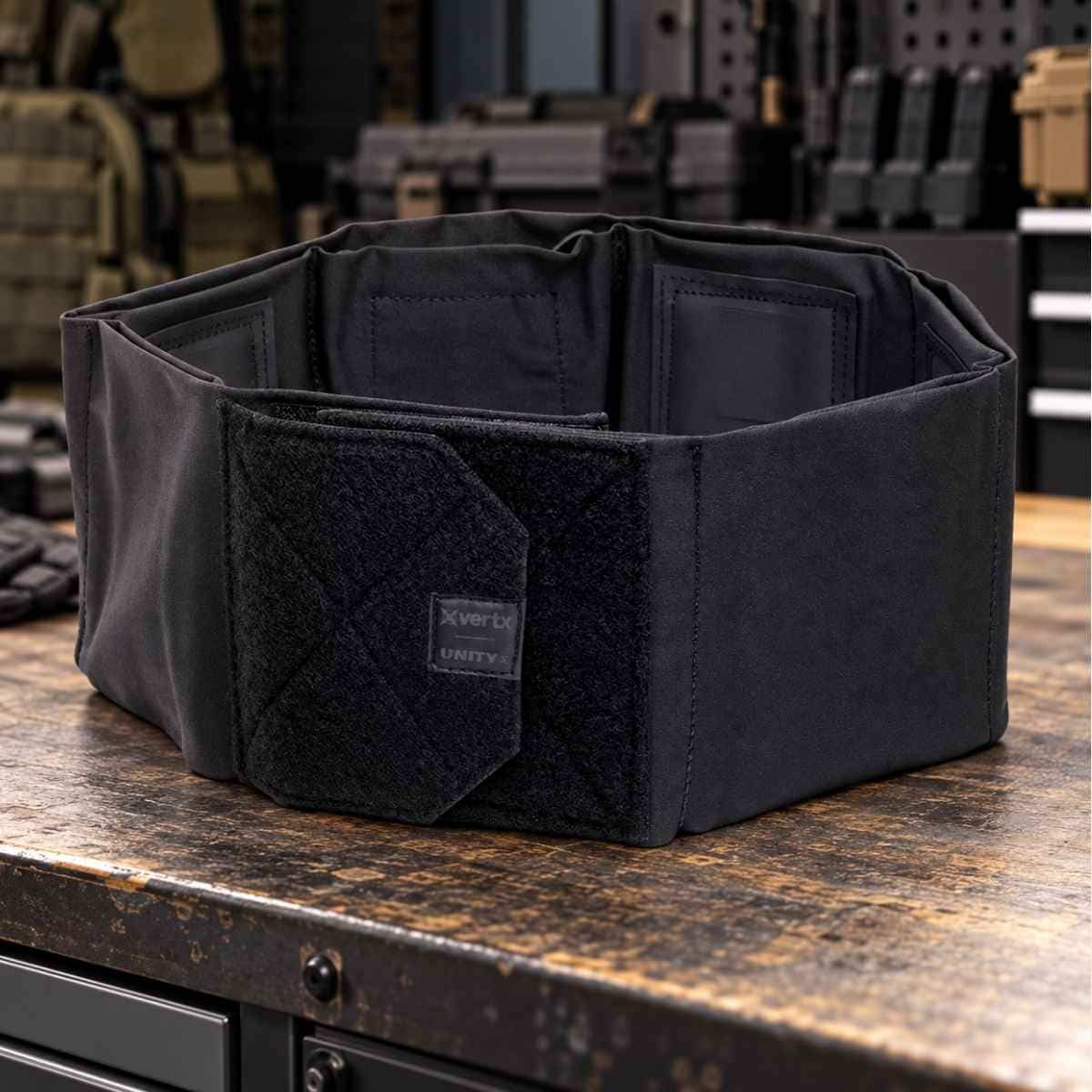
Once the garment is dry, inspect the closures and surrounding stitching. Refit only the components that belong with that item. Align each tab and check whether it stays attached during ordinary adjustment, without forcing or repeatedly yanking it apart.
If a closure still releases unexpectedly, record what you observe. Is lint still visible? Is the fastening strip lifting from the garment? Does only one corner attach? A clear description helps the supplier distinguish a care question from a possible repair issue.
Do not describe the item as restored or suitable for a protective task simply because it looks clean. Washing and inspection can identify visible problems, but they do not certify protective performance. For issued or specialist clothing, follow the relevant inspection and replacement requirements.
Common question Can I wash the garment with patches attached
Check both the patch and garment instructions. Propper’s tactical clothing guidance calls for patches to be removed. [1] That is a useful example of why detachable accessories should be considered separately, rather than assuming they can tolerate the garment’s wash programme.
If removing a patch exposes hooks, check how the garment manufacturer wants that area managed. Keep the removed patch with its identification details so it is not confused with another person’s equipment or returned to the wrong garment.
Common question Will washing fix a fastener that no longer grips
Removing debris may address one cause of poor grip, as described by Velcro Companies. [2] It does not establish that every weak fastener needs cleaning or that washing will repair damage. If the surfaces or stitching appear worn, seek advice about the actual item.
Avoid improvised fixes such as cutting the fastening surface, adding household adhesive or applying direct heat. Ask whether a repair is appropriate and whether it would affect the garment’s intended use or product support.
Keep a short care record for clothing you use regularly
A photograph of the label, the model name and any written supplier advice can prevent repeated guessing. If a problem appears after washing, note the programme, detergent and drying method used. This gives the supplier useful information without requiring you to diagnose the cause.
For example, an enquiry could say: “This is [brand and model]. The label says [instructions]. I used [wash and dry settings], and the cuff now releases at [location]. Here are photographs of the fastening and stitching. What care or repair do you recommend?”
Compare care requirements before choosing replacement clothing
Military Shop’s tactical clothing category is a starting point for comparing products. [5] Review the actual garment specifications and ask about care requirements before purchasing, particularly if your laundry arrangements are limited or you need removable patches and pads.
Choose a garment whose intended use and care requirements fit your needs. For clothing already in use, the most useful routine is consistent: follow its label, prepare the closures, use the specified wash and drying methods, and investigate fastening problems before relying on the item again.
Sources and further reading
1 Propper | Fabric Care Instructions
2 Velcro Companies | Product Care and Cleaning Guide
3 5.11 Tactical | How to Wash Tactical Pants
4 GORE TEX | Outerwear Care Instructions
5 Military Shop | Tactical Clothing
FAQs
What are the two important steps to take before washing tactical clothing?
Before washing tactical clothing, you should check the garment’s care label and close any matching hook-and-loop fasteners.
Why should you close hook-and-loop fasteners before putting garments in the wash?
Closing the fasteners helps prevent the exposed hooks from catching and damaging other materials during the wash cycle.
What does 5.11 recommend avoiding when washing tactical trousers and why?
5.11 advises against using fabric softener because it can coat the fastening surfaces and reduce their ability to hold.
How can you clean lint and debris from hook-and-loop fastener surfaces?
According to Velcro Companies, you can clean the hooks using a stiff brush or another piece of hook material.
Should you keep removable patches and pads attached to the garment when washing?
No, Propper’s tactical clothing guidance recommends removing patches, knee and elbow pads, and pocket contents before washing, and checking their care instructions separately.