




Guide to Wearing a Military Lapel Pin
Table of Contents
When attending Anzac Day marches, Remembrance Day services, or formal military reunions across Australia, you will frequently notice veterans, current-serving Australian Defence Force (ADF) personnel, and proud family members wearing small, symbolic decorations on their civilian attire. Among these cherished items, the military lapel pin holds a special place of honour. Whether displaying a unit insignia, a campaign badge, or a commemorative token of remembrance, these small accessories carry profound historical and personal significance.
However, wearing these items correctly involves understanding specific etiquette, cultural traditions, and practical guidelines. While they are worn on civilian clothing rather than official military uniform service dress, adhering to proper placement standards ensures that every badge is displayed with the utmost respect and dignity. Exploring the origins, placement rules, and protocols of these pins helps ensure your tribute is both respectful and historically accurate.
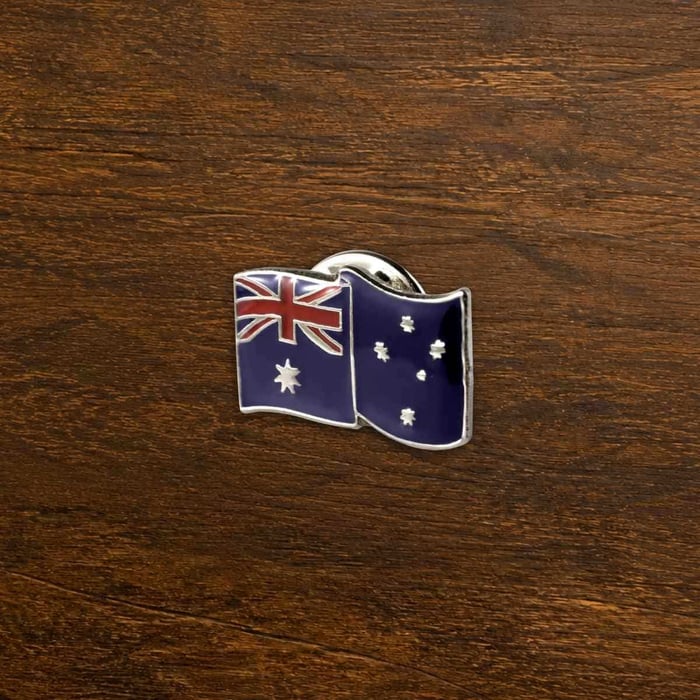
The Heritage and Significance of Lapel Insignia
The tradition of wearing small badges and decorations on civilian clothing dates back generations. For veterans who have transitioned out of uniform, wearing a lapel pin provides a subtle yet powerful way to signal their service history, corps affiliation, or shared bonds of mateship. Similarly, families of fallen or deceased service members often wear commemorative pins, such as the rosemary sprig, rising sun emblem, or specific campaign tokens, to honor the memory and sacrifice of their relatives.
Unlike official full-size or miniature campaign medals, which are strictly regulated under formal ADF dress manuals and worn exclusively on the left breast during designated commemorative events, lapel insignia offer a versatile way to express pride every day. From RSL membership badges to specialised unit crests, each military ribbon lapel pins or metal badge tells a unique story of service, commitment, and national heritage.
Where and How to Wear Your Lapel Pin
Wearing a lapel pin correctly on civilian clothing is largely governed by traditional menswear etiquette and mutual respect for military customs. Getting the placement right ensures the pin remains secure and looks balanced on your jacket or coat.
1. Placement on the Left Lapel
The universal convention for wearing service and commemorative badges is on the left lapel, directly over the heart. This placement mirrors the position where full-size medals are worn on a service uniform during formal parades. Placing the pin on the left side symbolises that the wearer holds the service, unit, or cause close to their heart.
2. Positioning and Alignment
When attaching a badge to a suit jacket, blazer, or coat, look for the designated buttonhole if one is present on the lapel. Many traditional jackets feature a working buttonhole with a small fabric loop on the reverse side designed specifically to hold a lapel stem securely. If your jacket does not have a buttonhole, attach the pin through the solid fabric of the left lapel, ensuring it sits level and does not tilt or droop.
3. Avoiding Clutter and Overcrowding
While it is common for dedicated veterans to collect multiple badges over the years, wearing too many pins at once can clutter the lapel and detract from the dignity of individual decorations. A good rule of thumb is to wear one or two meaningful pins, such as a primary unit badge or a contemporary commemorative token, rather than crowding the fabric. If you possess multiple badges, rotate them depending on the specific occasion or commemoration you are attending.
Protocol During Commemorative Events and Formal Gatherings
Wearing a military lapel pin carries expectations of respectful conduct, particularly during solemn national commemorations like Anzac Day (25 April) and Remembrance Day (11 November).
- Respectful Context: These pins are symbols of dedicated service and sacrifice. They should be worn on neat, clean civilian attire, such as a tailored suit, blazer, smart-casual jacket, or collared shirt, and treated with the same care you would accord an official medal rack.
- Combining with Other Insignia: If you are wearing a lapel badge alongside a poppy or a sprig of rosemary during Anzac Day, ensure the floral tribute is securely fastened and does not obscure the badge. Traditionally, the poppy or rosemary is positioned just above or beside the primary lapel pin.
- Secure Fastening: Because commemorative marches and outdoor services involve movement, always check that your pin uses a reliable locking butterfly clutch, magnetic backing, or screw-back fastener to prevent accidental loss in a crowd.
Care, Storage, and Preservation of Insignia
Many military lapel pins are crafted from high-quality metals, enamels, and plated finishes that can degrade if exposed to moisture, harsh chemicals, or careless storage. To keep your insignia looking pristine for years to come:
- Proper Storage: Store your pins in a lined jewellery box, a dedicated display case, or a padded pouch when not in wear to prevent scratching and tarnishing.
- Cleaning: Gently wipe metal pins with a soft, dry microfibre cloth after wear to remove natural skin oils and environmental grime. Avoid abrasive chemical polishes on enameled surfaces, as these can strip away fine painted details.
- Heirloom Care: If you have inherited vintage lapel pins from a parent or grandparent, consider mounting them on a felt display board or framing them alongside historical photographs to protect fragile pins from physical damage while celebrating your family's rich military lineage.
By following these straightforward guidelines, you ensure that every military lapel pin you wear serves as a fitting, respectful tribute to Australian service personnel past and present.
FAQs
What is the right placement for a military lapel pin?
A military lapel pin should be worn on the left lapel of a jacket or coat, positioned directly over the heart to mirror where formal service medals are worn on a uniform during commemorative events.
How do you wear military lapel pins?
To wear military lapel pins correctly, attach them to the left lapel of neat civilian attire, such as a suit jacket, blazer, or collared shirt. If your jacket features a traditional buttonhole, you can utilise the fabric loop on the reverse, or pin it securely through the fabric using a reliable butterfly clutch or fastener.
How are lapel pins made?
Military lapel pins are typically crafted from high-quality metals, stamped or die-cast with intricate unit insignia or commemorative designs, and finished with durable colored enamels or polished platings.
Can you wear multiple lapel pins at the same time?
While you can own many badges, it is recommended to wear only one or two meaningful pins at a time to avoid overcrowding the lapel and to maintain the dignity and clean appearance of your attire.
How should you care for and store your lapel pins?
To preserve your lapel pins, gently wipe them with a soft, dry microfibre cloth after wear to remove skin oils, and store them in a lined jewellery box, padded pouch, or display case to prevent scratching and tarnishing.