


The Electromagnetic Spectrum and the Cyber Domain: A Public Introduction
Table of Contents
- What is the electromagnetic spectrum?
- How frequency and wavelength are related
- Everyday technologies that use radiofrequency energy
- Communication and sensing: two different uses of signals
- How Defence links the electromagnetic spectrum to the cyber domain
- Protecting information flows is an everyday Defence task
- The RAAF EA-18G Growler: a public example of electronic attack
- Air power can contribute across several domains
- How to read Defence news about the electromagnetic spectrum
- Connect the technology with service stories
- Sources
- FAQs
A radio conversation, a weather radar image and a computer network may seem like separate subjects, but all three depend on the electromagnetic spectrum. Understanding how electromagnetic signals and information systems relate helps explain why Defence discusses the spectrum within its cyber domain. You do not need an engineering background to follow the basic connection.
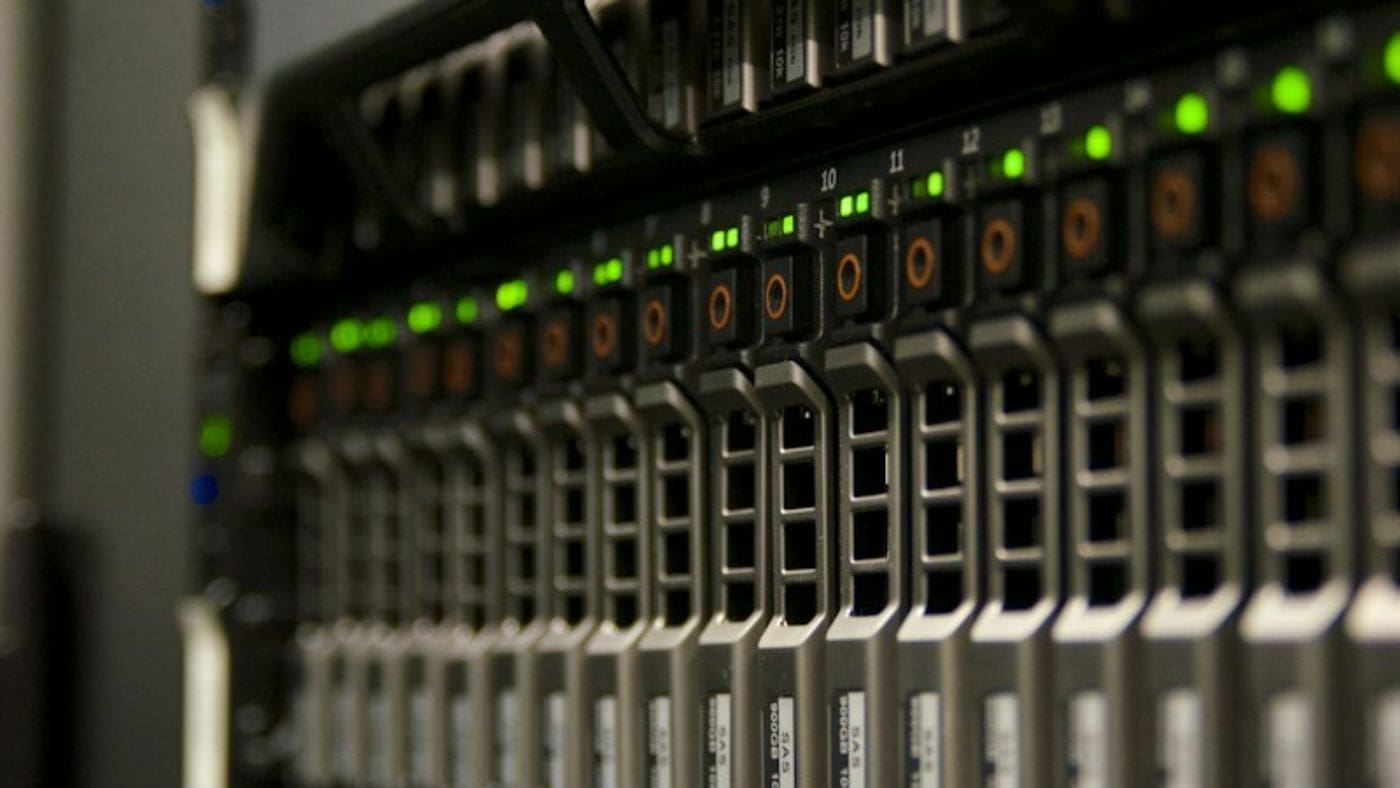
Defence describes the cyber domain as an operational environment made up of interconnected networks, information systems and the electromagnetic spectrum. [1] This guide explains those terms in plain English, uses familiar examples to show how they relate and introduces a publicly described Australian military capability, the RAAF EA-18G Growler. It is a starting point for reading Defence news, rather than a complete technical or operational model.
What is the electromagnetic spectrum?
The electromagnetic spectrum is the range of electromagnetic radiation. The Australian Radiation Protection and Nuclear Safety Agency (ARPANSA) lists radio waves, microwaves, infrared rays, light rays, ultraviolet (UV) rays, X-rays and gamma rays within that range. Visible light is therefore only one part of a much broader spectrum. [2]
The word “spectrum” describes this range, not a particular device or computer network. A radio is equipment that uses part of it. A military domain is a way Defence describes an operational environment. Keeping the physical idea separate from the organisational terminology makes the subject easier to follow.
How frequency and wavelength are related
Frequency is the number of wave peaks that pass a point in a given time. Wavelength is the distance between two adjacent wave crests. When wavelength increases, frequency decreases, and vice versa. In other words, a higher frequency means a shorter wavelength, and a lower frequency means a longer wavelength. [2]
Frequency is measured in hertz (Hz), and larger units are used for higher frequencies, as shown in the table below. [2] These units help you decode labels in technical descriptions. On their own, they do not tell you how capable or secure a system is.
| Unit | Meaning |
|---|---|
| Hertz (Hz) | One cycle per second |
| Kilohertz (kHz) | One thousand hertz |
| Megahertz (MHz) | One million hertz |
| Gigahertz (GHz) | One billion hertz |
Everyday technologies that use radiofrequency energy
ARPANSA lists radio and television broadcasting, mobile phones, wireless networks such as Wi-Fi, cordless phones, police and fire department radios, point-to-point links and satellite communications as sources of radiofrequency electromagnetic radiation (RF EMR). It also names radar as a source of RF fields, and places RF EMR in the frequency range from 100 kHz to 300 GHz. [3] These familiar examples show that the underlying physics has civilian as well as military uses.
Communication and sensing: two different uses of signals
A communication link carries information between users or systems. A sensing system gathers information about something being observed. Both can use electromagnetic signals, but they perform different tasks. ARPANSA’s examples include both communications technologies and radar, illustrating that radiofrequency energy has more than one application. [3]
Weather radar offers an accessible sensing example. The Bureau of Meteorology explains that its radar dish sends out short pulses of electromagnetic waves at the speed of light. When these pulses hit water particles, they reflect back to the radar as echoes, and the time it takes for a pulse to return shows how far away the particles are. [4]
That example explains a basic radar principle. It does not mean a weather radar and a military radar have the same equipment, performance or purpose. When reading about a particular system, use its own public description to understand what it is designed to do.
How Defence links the electromagnetic spectrum to the cyber domain
Defence says the cyber domain underpins secure communications, situational awareness, modern logistics and military decision-making. [1] The connection is practical: the value of information depends partly on whether it can reach the people and systems that need it.
A simplified everyday example is a laptop using Wi-Fi. The wireless link uses radiofrequency energy [3], while the laptop and network handle the information being exchanged. Looking only at the radio signal leaves out the information system; looking only at the application leaves out the wireless connection it depends on.
This example illustrates a relationship, not the architecture of an ADF network. It also does not imply that every computer connection is wireless, or that protecting a radio link is the same as protecting software and data. The useful question is which part of the overall system a source is discussing.
Protecting information flows is an everyday Defence task
In its 14 May 2026 article about COHERE, the ADF’s cyber domain concept, Defence describes a unified framework spanning cyberspace and the electromagnetic spectrum. The article explains that cyber capabilities ranging from radios to laptops enable the flow of information across the integrated force. It highlights electromagnetic protection and cyberspace security operations as critical, everyday tasks for keeping that information moving securely. [5]
This makes protection part of the broader story, alongside the more visible subject of electronic attack. A report may be about maintaining the ability to communicate, improving shared understanding or developing a capability. The presence of the words “cyber” or “electromagnetic” does not tell you which of those activities occurred.
For readers, it helps to identify the stated purpose first. What information or service is being supported? Which equipment or organisation is named? Is the source explaining a general role or reporting a particular event? Those questions keep the technical language connected to something concrete.
The RAAF EA-18G Growler: a public example of electronic attack
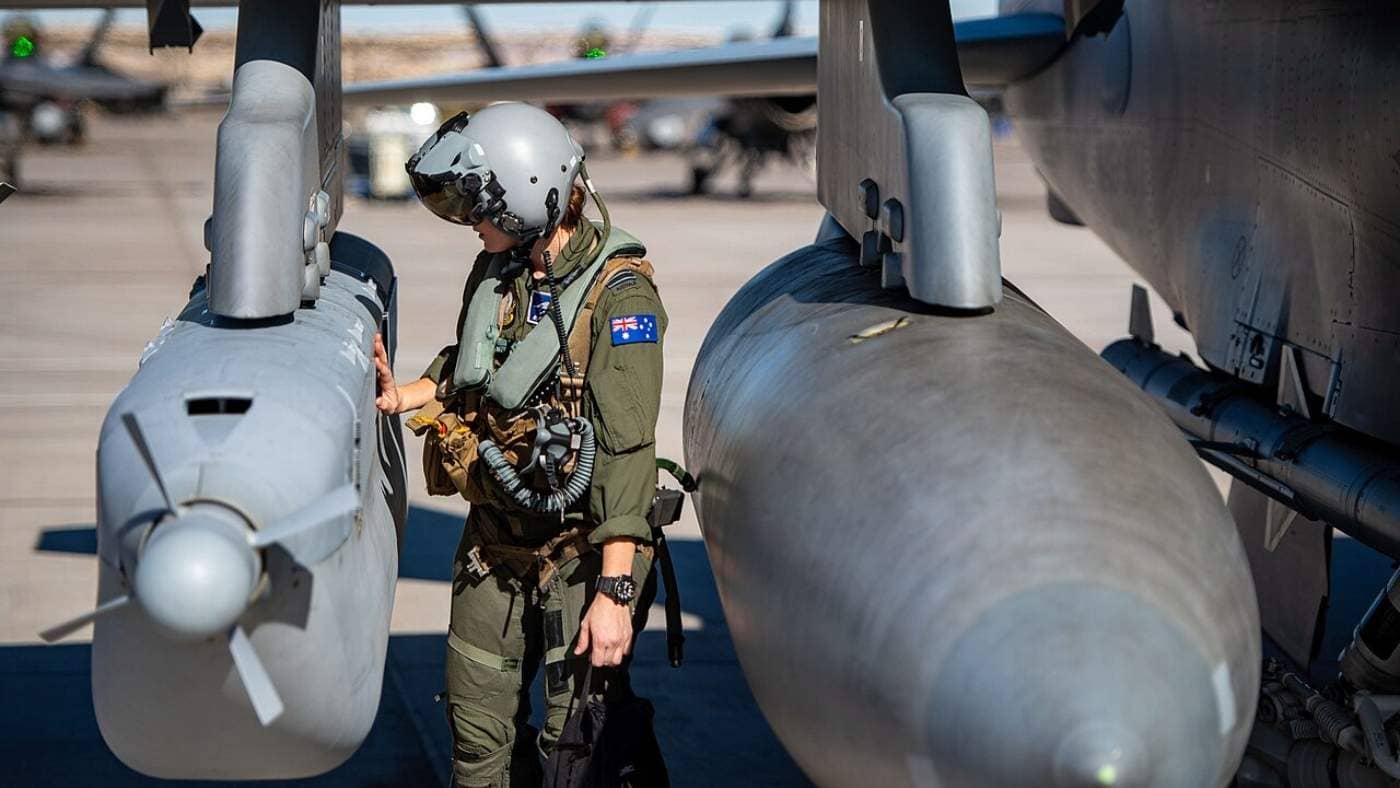
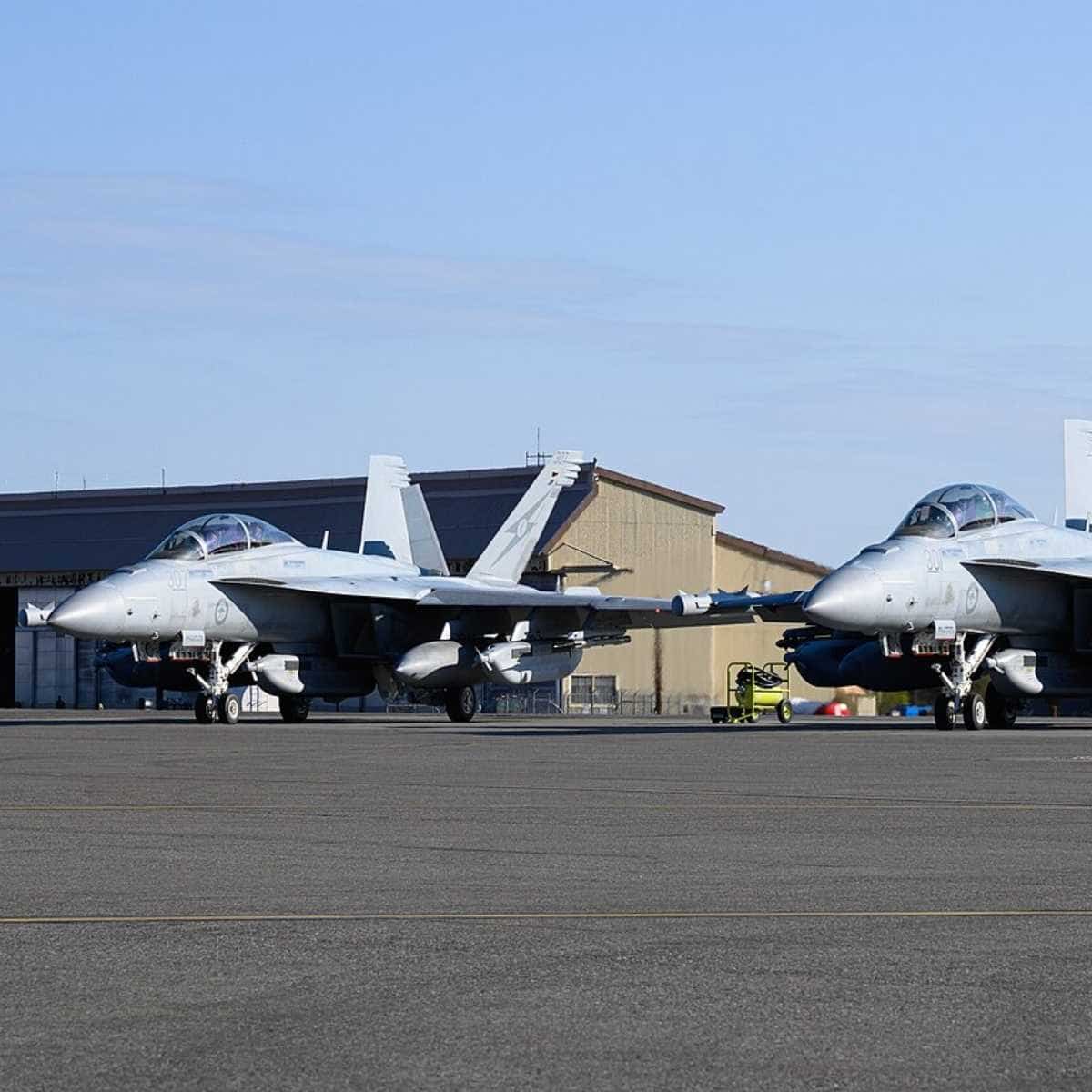
The Royal Australian Air Force describes the EA-18G Growler as an electronic attack aircraft that can disrupt, deceive or deny a broad range of military electronic systems, including radars and communications. Its public aircraft page says the Growler can support a wide range of Defence tasks, and that Australia’s 12 Growlers are controlled by No. 6 Squadron, based at RAAF Base Amberley, and operate alongside air, land and sea forces. [6]
This is a useful example because it connects an aircraft with effects on electronic systems. It shows why an aircraft’s contribution cannot always be understood only in terms of where it flies or what conventional weapons it carries.
It does not establish that a Growler can affect every electronic device, guarantee an outcome against a particular system or reveal the methods used in a specific mission. A public capability description gives a broad role. Claims about a particular operation require evidence about that operation.
Air power can contribute across several domains
Air Force’s mission statement says it will fight and win by generating air and space effects across the sea, land, air, space and cyber operating domains. [7] This helps explain why an Air Force aircraft may appear in a discussion about the electromagnetic spectrum and Defence’s cyber domain.
The service, platform and role describe different aspects of the subject. “Air Force” identifies the service. “EA-18G Growler” identifies an aircraft type. “Electronic attack” describes the role identified on its public page. [6] [7] Keeping those labels distinct makes it easier to follow how one capability contributes to a wider force.
How to read Defence news about the electromagnetic spectrum
A beginner’s guide can explain relationships without assigning a frequency, range or technical method to a military system. If a news story discusses the spectrum, look for the specific activity it describes before drawing conclusions about capability.
- Check whether the subject is communication, sensing, protection or an electronic effect.
- Distinguish the physical signal from the equipment, information system and people using it.
- Use the named system’s official description when discussing its public role.
- Keep a broad capability statement separate from claims about a particular mission or result.
The sources below provide different kinds of evidence: ARPANSA explains the physics, the Bureau of Meteorology illustrates radar, and Defence and Air Force describe the military context. Reading each for its own purpose helps keep a general explanation accurate without pretending it reveals every operational detail.
Connect the technology with service stories
For service families and military history readers, these concepts offer another way to understand the work behind familiar aircraft and communications equipment. Explore Military Shop’s range of military collectables and gifts when choosing an item connected to a service story, and check the stated aircraft, service or unit association against the person or occasion you have in mind. [8]
Sources
- Department of Defence | Cyber domain
- ARPANSA | What is radiation?
- ARPANSA | Radiofrequency radiation
- Bureau of Meteorology | Weather radars
- Department of Defence | Shaping Defence’s cyber coherence | 14 May 2026
- Royal Australian Air Force | EA-18G Growler
- Royal Australian Air Force | Mission and purpose
- Military Shop | Military collectables and gifts