


Hydration Packs vs Water Bottles: Which Is Better for Hiking?
Table of Contents
Whether you are tackling a rugged day trail through the Blue Mountains or embarking on a multi-day trek across the Australian outback, staying properly hydrated is non-negotiable. Dehydration can quickly derail an outdoor adventure, leading to fatigue, headaches, and impaired decision-making. When it comes to carrying your fluid supply on the trail, the debate usually comes down to two main options: a hydration pack or a traditional water bottle. Choosing the right setup depends on your hiking style, trail conditions, and personal preference.
Both systems have earned a loyal following among Australian outdoor enthusiasts, but each offers distinct advantages depending on terrain, distance, and pack weight. In this guide, we break down the key differences, pros, and cons of using a hydration pack versus a hiking water bottle so you can make an informed choice before hitting the trail.
What Is a Hydration Pack?
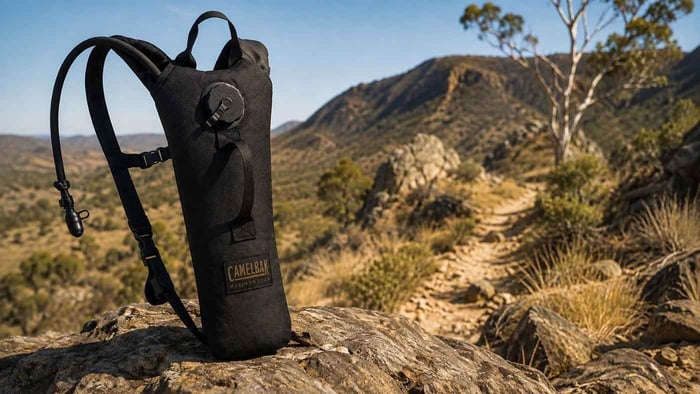
A hydration pack (often referred to as a water pack) combines a flexible reservoir (or bladder) with a long drinking tube equipped with a bite valve. The reservoir sits snugly inside a dedicated compartment of a backpack, while the hose clips to your shoulder strap for quick access.
This hands-free setup allows you to sip water continuously without stopping or reaching into your side pockets. Modern tactical and outdoor designs often feature durable fabrics, MOLLE webbing, and insulated hoses to keep fluids cool under the harsh Australian sun.
The Advantages of Using a Hydration Pack
1. Hands-Free, On-the-Go Hydration
The single biggest advantage of a water pack is convenience. Because the bite valve rests right near your chest, you can sip small amounts of water frequently throughout your walk. Studies show that drinking smaller amounts consistently keeps hydration levels more stable than chugging large volumes every few kilometres.
2. Better Weight Distribution and Capacity
Hydration bladders typically hold between 2 to 3 litres of water. Because the reservoir sits against your back along your center of gravity, carrying a heavy liquid load feels lighter and more balanced than having two rigid bottles weighing down the outer sides or top of your pack.
3. More Efficient Trail Pace
When you do not need to pause, unbuckle your chest strap, or twist around to grab a bottle from a mesh side pocket, you maintain momentum. This efficiency makes a hydration pack particularly popular for fastpacking, trail running, and long-distance day hikes where steady pacing matters.
The Drawbacks of Hydration Packs
Cleaning and Maintenance: Rinsing out and drying a flexible bladder takes more effort than washing a wide-mouth bottle. If left damp, bladders can develop mold or residual tastes.
Refill Difficulty on the Trail: Refilling a bladder from natural water sources (or adding electrolyte powders) usually requires opening your pack, sliding out the reservoir, and disconnecting the hose.
Risk of Leaks or Punctures: While high-quality tactical and military-grade bladders are built extremely tough, a sharp twig or accidental pressure inside a packed bag can potentially cause a leak.
The Case for Traditional Water Bottles
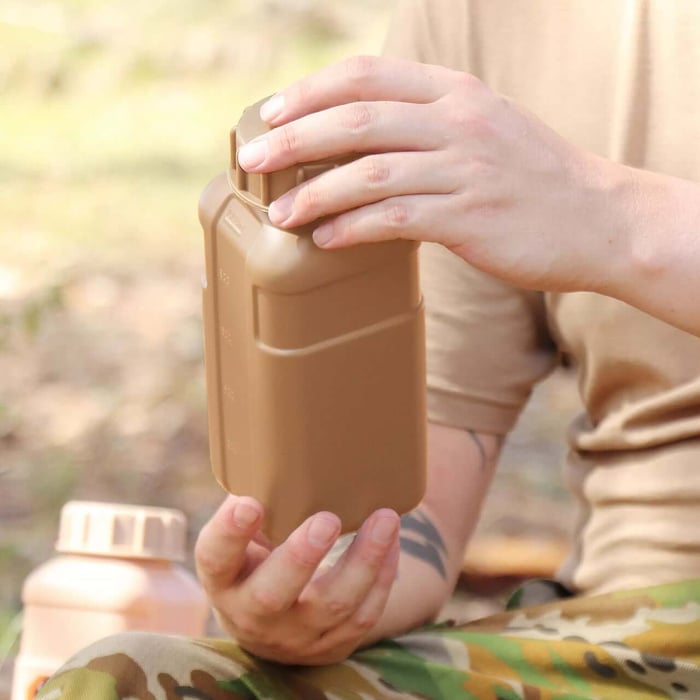
The humble hiking water bottle remains a staple in gear kits worldwide for good reason. Whether you choose stainless steel, BPA-free plastic, or insulated vacuum flasks, bottles offer classic reliability and zero moving parts.
Key Advantages of Water Bottles:
Durability and Simplicity: A solid bottle won't puncture or tear. There are no valves to clog or hoses to kink.
Easy Water Filtration: If you are filtering river water or treating supply points with purification tablets, wide-mouth bottles make mixing and measuring straightforward.
Effortless Cleaning: Bottles are easy to wash, air out, and sanitize after a long trip.
Multi-Use Capabilities: Insulated bottles can double as hot water containers on chilly nights inside your sleeping bag or hold hot beverages for early morning starts.
Drawbacks of Water Bottles:
Inconvenient Access: Reaching for a bottle off your pack often forces you to stop walking or ask a hiking partner to grab it for you.
Awkward Weight Shift: Standard bottle pockets place heavy fluid weight on the sides or front of your backpack, which can pull at your shoulders over long distances.
Direct Comparison: Hydration Pack vs Water Bottle
To help you decide which system suits your next trek, here is a quick breakdown across key performance factors:
| Feature | Hydration Pack | Water Bottle |
| Hydration Frequency | High (sip while walking) | Moderate to Low (pause required) |
| Typical Capacity | 2.0L – 3.0L | 0.75L – 1.5L per bottle |
| Weight Distribution | Excellent (centred on back) | Variable (side pockets or internal) |
| Ease of Cleaning | Moderate (requires drying kits) | Easy (wide mouth, dishwasher safe) |
| Trail Refilling | Requires unpacking | Fast and straightforward |
| Durability | High (quality TPU/tactical materials) | Extremely High (rigid construction) |
Which System Is Right for Your Trail Setup?
Choose a Hydration Pack if:
You cover long distances without frequent stops: Continuous sipping keeps your stamina high during demanding ascents.
You carry 2+ litres of water: A full bladder carries heavy liquid weight far more comfortably than multiple bulky bottles.
You navigate technical terrain: Keeping your hands free allows you to use trekking poles, scramble over rocks, or maintain balance safely.
If you are looking to upgrade your setup with robust, military-tested load-bearing gear, you can explore premium options to buy a hydration pack built for tough Australian conditions.
Choose Water Bottles if:
You are doing short day walks or casual strolls: For hikes under two hours, a single 1-litre bottle is simple, lightweight, and hassle-free.
You rely on natural water sources: Filtering and treating water directly in wide-mouth containers is far faster on remote backcountry tracks.
You prefer low-maintenance gear: If you dislike cleaning hoses and reservoirs, bottles are quick to wash and dry between weekends.
The Hybrid Approach: Combining Both Systems
Many experienced Australian bushwalkers choose not to restrict themselves to just one option. The hybrid approach gives you the best of both worlds:
Use a 2L or 3L hydration pack australia setup in your main compartment for steady, hands-free drinking on the move.
Carry a compact 1L hiking water bottle in your exterior pocket reserved specifically for electrolyte mixes, flavoured drinks, or rapid emergency filtration.
This dual strategy keeps your core water supply clean and accessible while providing a backup option if you run out on remote tracks.
Final Verdict
When choosing between a hydration pack and a water bottle, there is no single right answer for every trek. For long distances, hot climates, and heavy load carrying, the ergonomic comfort and hands-free access of a modern hydration pack are tough to beat. For short trips, winter conditions, or backcountry treks requiring frequent stream filtration, rigid bottles remain a trustworthy choice.
Evaluate your typical trail length, terrain, and hydration habits to build a reliable setup that keeps you energized and safe on every adventure.
FAQs
What is a hydration pack and how does it work?
A hydration pack (or water pack) consists of a flexible reservoir (bladder) stored inside a backpack compartment, connected to a flexible drinking tube with a bite valve. The hose clips to your shoulder strap, allowing you to sip water hands-free without stopping or reaching for a bottle.
How much water can a standard hydration pack hold?
Hydration bladders typically hold between 2 to 3 litres of water. Because the reservoir sits directly against your back along your center of gravity, carrying this fluid load feels more balanced and comfortable than holding rigid bottles on the sides of your pack.
What are the main disadvantages of using a hydration pack compared to a water bottle?
The main drawbacks are:
Cleaning and maintenance: Flexible bladders and hoses require thorough drying to prevent mold.
Refill convenience: Refilling a bladder or adding electrolyte powders on the trail requires opening your backpack and removing the reservoir.
Puncture risk: While tactical bladders are very durable, there is still a slight risk of leaks if punctured by sharp objects.
Why might someone choose a hiking water bottle over a hydration pack?
Water bottles offer classic simplicity and zero moving parts. They are exceptionally durable, easy to clean, quick to refill from natural water sources or filter with purification tablets, and can hold hot liquids or electrolyte mixes without risking hose buildup.
Can I use both a hydration pack and a water bottle on the same hike?
Yes. Many bushwalkers use a hybrid approach: carrying a 2L or 3L hydration pack in their main bag for continuous drinking while walking, alongside a separate 1L water bottle in an exterior pocket for electrolyte mixes or quick stream filtration.