


A Complete Guide to Sam Browne Belts: History, Sizing & Proper Wear
Table of Contents
- What Is a Sam Browne Belt?
- Why Is It Called a Sam Browne Belt?
- The Sam Browne Belt in the Australian Army
- How to Wear a Sam Browne Belt Correctly
- Wearing the Shoulder Strap
- Sam Browne Belt Size Guide
- What Makes a Quality Leather Military Belt?
- Caring for Your Sam Brownes
- Choosing the Right Sam Browne Belt
- FAQs
A Sam Browne belt is one of the most recognisable pieces of military dress. Originally developed for military officers, it combines practical design with a distinctive appearance that has endured for more than a century and continues to be worn with ceremonial and formal uniforms throughout the Commonwealth, including Australia.
This guide explains the history of the belt, why it's called a Sam Browne belt, how to wear it correctly, how to choose the right size, and what to look for in a quality leather military belt.
What Is a Sam Browne Belt?
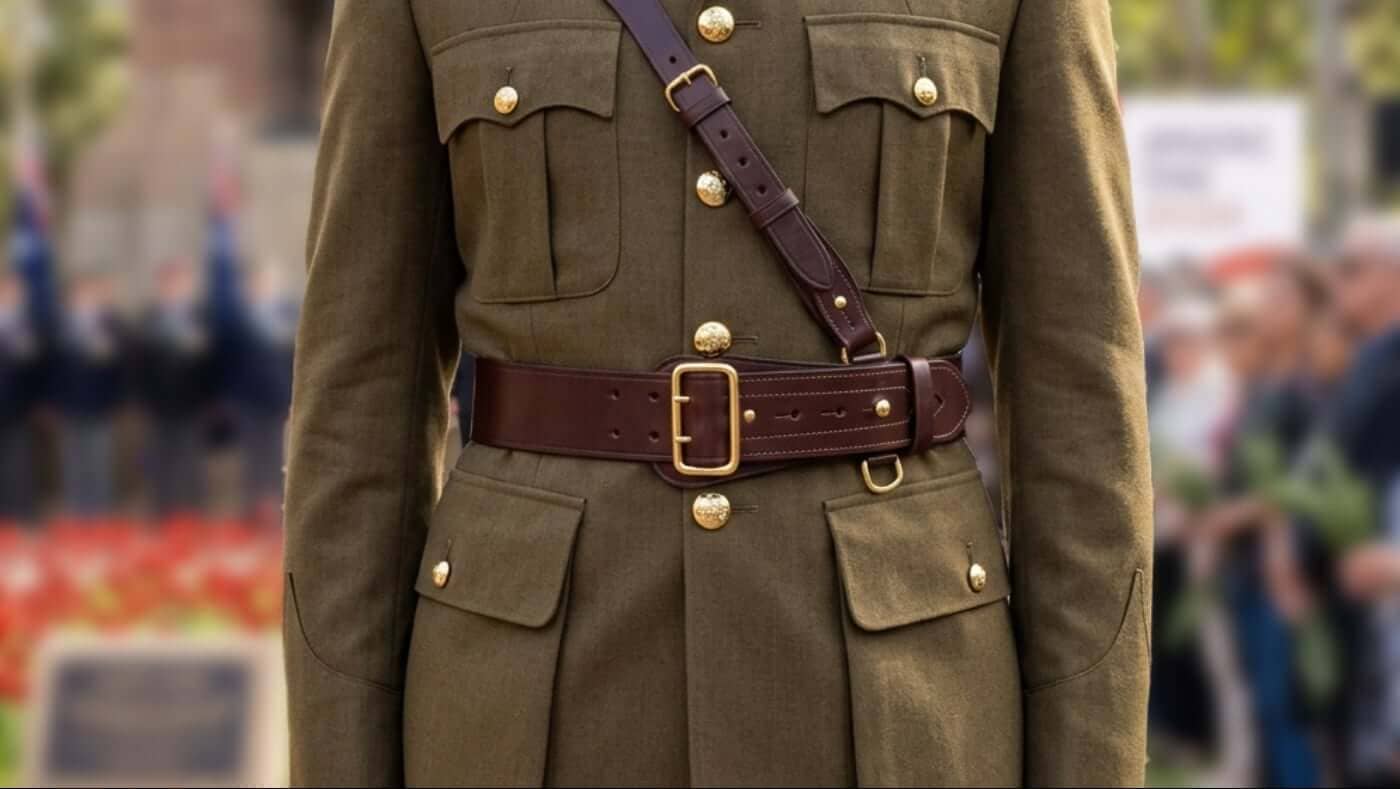
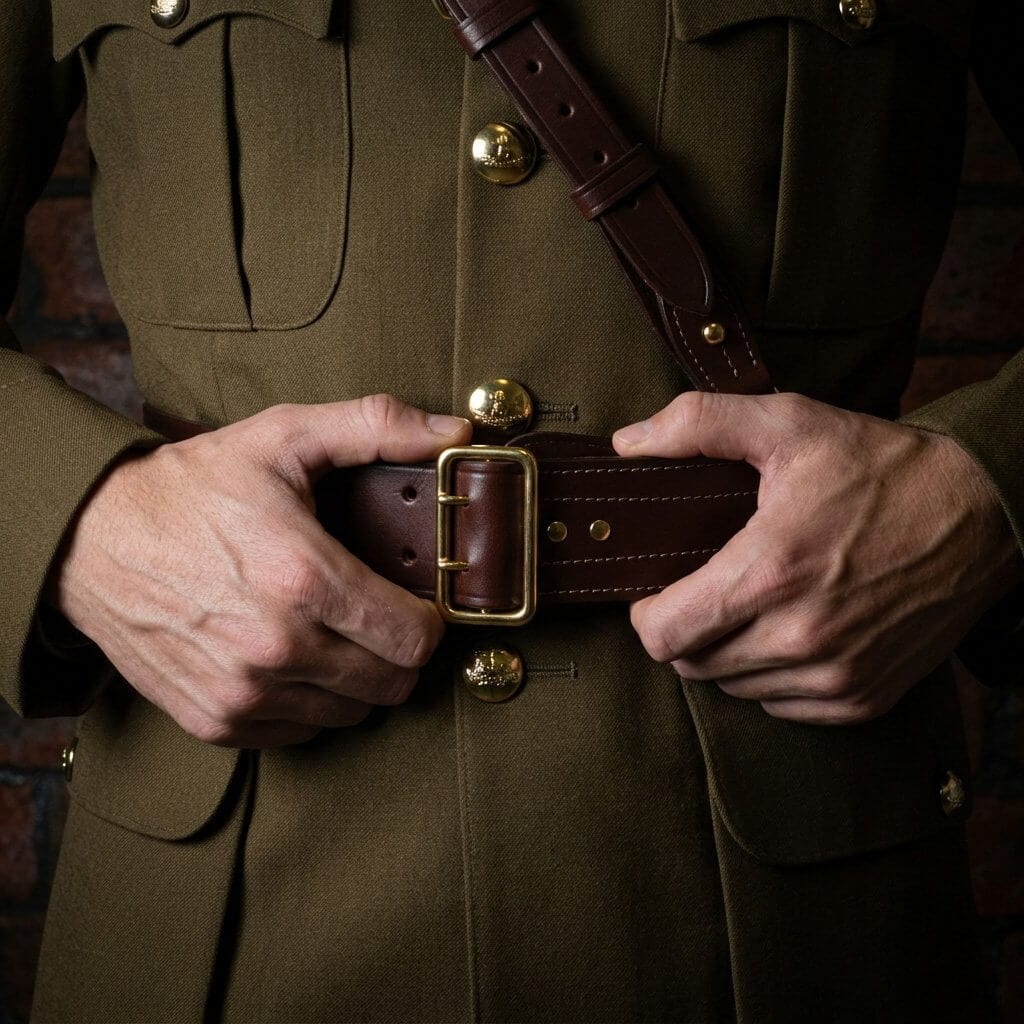
A Sam Browne belt is a traditional leather military belt recognised by its wide waist belt and distinctive diagonal shoulder strap. Originally designed to support a sword and other equipment, the strap helped keep the belt secure while distributing weight more evenly across the body.
The shoulder strap is the belt's defining feature, preventing the waist belt from shifting during wear. Although its original purpose is no longer required, the design remains a defining element of military ceremonial uniform across Commonwealth armed forces.
Introduced for officers in the British Army during the late 19th century, the Sam Browne belt was gradually adopted throughout the Commonwealth. Today, Sam Brownes are commonly worn during parades, official ceremonies, commemorative services, and other formal occasions.
Modern versions remain true to the original design, featuring quality leather construction, polished fittings, and traditional craftsmanship. Whether worn by serving personnel, cadets, or collectors, a well-made leather military belt reflects the professionalism and history of military service.
Why Is It Called a Sam Browne Belt?
If you've ever wondered why it is called a Sam Browne belt, the answer lies with Sir Samuel James Browne, a British Army officer who served in India during the 19th century.
After losing his left arm during the Indian Rebellion of 1857, Browne found it difficult to draw his sword using the standard waist belt issued at the time. To solve the problem, he designed a belt with an additional shoulder strap that kept the waist belt firmly in place, allowing him to draw his sword one-handed while better supporting the weight of his equipment.
The design proved highly practical and was quickly adopted by the British Army, particularly among officers who required a reliable rig for their military ceremonial swords. As the British Empire expanded, the Sam Browne belt became standard military equipment across many Commonwealth nations, including Australia, New Zealand, Canada, and India.
The Sam Browne Belt in the Australian Army
The Australian Army belt most commonly associated with ceremonial uniform is the Sam Browne belt. Although it is no longer used as everyday field equipment, it remains an important part of military dress and reflects the discipline and traditions of the Australian Army.
Within the Australian Army, Sam Brownes are typically worn by commissioned officers and military police as part of prescribed ceremonial uniforms. They are also worn by some Australian Defence Force cadet units where authorised, particularly during graduation parades, ceremonial inspections, and official functions.
The belt is especially visible during national commemorative events such as ANZAC Day and Remembrance Day, when serving members, veterans, and ceremonial units participate in marches, wreath-laying ceremonies, and memorial services across Australia. Its continued use reflects the military's commitment to preserving long-standing customs while honouring those who have served.
How to Wear a Sam Browne Belt Correctly
Knowing how to wear it correctly is just as important as choosing the right one. Whether it's being worn for a military parade, commemorative service, or formal ceremony, the belt should fit securely, sit neatly on the uniform, and maintain a smart, professional appearance.
Positioning the Waist Belt
The waist belt should sit comfortably around the natural waist, neither too high nor too low. It should be adjusted so that it fits firmly without restricting movement. The buckle should be centred at the front of the body, creating a balanced appearance that aligns with military dress standards.
Wearing the Shoulder Strap
The shoulder strap is the defining feature of the Sam Browne belt. It should run diagonally across the chest from the shoulder and attach securely to the waist belt using the designated fittings. Once adjusted, the strap should lie flat against the uniform without twisting or sagging.
Wearing With Ceremonial Uniform
When worn with ceremonial dress, the Sam Browne belt should be properly adjusted so it complements the uniform without appearing loose or overly tight. The shoulder strap should sit naturally against the body, and the waist belt should remain level throughout wear.
Sam Browne Belt Size Guide
A correctly sized Sam Browne sits securely over your uniform, allowing the shoulder strap to rest comfortably across the chest while maintaining the neat appearance expected of ceremonial dress. Our belt size guide below will help you measure accurately and choose the right size before ordering.
How to Measure
Measure around your natural waist while wearing the trousers or uniform you intend to wear with the belt. If you'll be wearing a ceremonial tunic or jacket, take the measurement over the complete uniform to allow enough room for all layers.
Avoid relying solely on your everyday jeans or trouser size, as these measurements often differ from your actual waist measurement. Using a flexible measuring tape will provide the most accurate fit.
Choosing the Correct Size
The belts feature multiple adjustment holes, allowing you to fine-tune the fit once worn. Ideally, the buckle should fasten using one of the centre holes, leaving room for adjustment if additional uniform layers are required.
When selecting a size, ensure the belt is long enough to fit comfortably over your ceremonial uniform without being overly loose. Choosing the correct size helps the belt sit securely and comfortably over ceremonial uniform.
Sizing Guide
| Belt Size | Belt Measurement |
| XS | 75–87 cm |
| S | 85–97 cm |
| M | 99–111 cm |
| L | 114–126 cm |
Note: Measured between the first and last adjustment holes. Each adjustment hole is spaced approximately 3 cm apart.
Tip: If you're between sizes or plan to wear the belt over a ceremonial tunic, it's generally better to choose the size that provides sufficient adjustment rather than one that's too short. Always refer to the product's sizing information before purchasing.
What Makes a Quality Leather Military Belt?
Not all military belts are made to the same standard. A high-quality leather military belt should withstand regular ceremonial use while retaining its finish and structural integrity. Paying attention to the materials and craftsmanship can make a significant difference in both durability and presentation.
Full-Grain Leather: The best leather military belts are typically made from full-grain leather, which is valued for its strength, durability, and natural finish. Unlike lower-grade leather, full-grain leather develops character over time while remaining resistant to stretching and everyday wear. With proper care, it can provide many years of reliable service.
Strong Stitching: Quality stitching is essential for a belt that's built to last. Look for neat, even stitching along the edges and around attachment points, particularly where the shoulder strap connects to the waist belt. Reinforced stitching helps maintain the belt's structural integrity and reduces the risk of premature wear.
Durable Brass Fittings: The buckle, keepers, and other metal fittings should be solid, securely attached, and finished to a high standard. Brass fittings are a popular choice for ceremonial belts because they offer excellent durability and can be polished to maintain a smart appearance for parades and official functions.
Professional Finish: A quality leather military belt should have a smooth, consistent finish with clean edges and well-crafted hardware. The leather should feel firm without being overly rigid, allowing the belt to remain supportive without losing its structure.
Caring for Your Sam Brownes
A well-maintained Sam Browne can retain its appearance and durability for many years. Because it is often worn for ceremonial occasions rather than everyday use, a little routine care goes a long way in preserving both the leather and its fittings.
Condition the Leather: Apply a quality leather conditioner periodically to keep the leather supple and help prevent it from drying out or cracking. Always use products specifically designed for leather and avoid over-conditioning, as excess product can soften the leather and affect its shape.
Store It Properly: When not in use, store your belt in a cool, dry place away from direct sunlight and heat sources. Hanging the belt or laying it flat will help maintain its natural shape, while avoiding sharp folds or tight rolls will prevent permanent creases from forming.
Polish the Brass Fittings: The buckle and other brass fittings should be polished occasionally to remove tarnish and maintain their bright finish. Before ceremonial events such as ANZAC Day, Remembrance Day, or formal parades, wipe the fittings clean to remove fingerprints and ensure they present a neat, professional appearance.
Avoid Excessive Moisture: Leather can be damaged by prolonged exposure to water or high humidity. If the belt becomes wet, allow it to air dry naturally at room temperature. Avoid using hairdryers, heaters, or direct sunlight to speed up the drying process, as excessive heat can cause the leather to shrink or crack.
Help the Belt Keep Its Shape: Avoid placing heavy objects on top of the belt during storage or bending it unnecessarily. Keeping the shoulder strap correctly adjusted and storing both components properly will help the belt maintain its structure, ensuring it continues to sit neatly when worn with ceremonial uniform.
Choosing the Right Sam Browne Belt
Selecting the right belt means choosing one that's designed for ceremonial military wear. The correct size, quality full-grain leather, durable brass fittings, and strong stitching all contribute to a belt that fits properly, looks smart, and provides dependable service.
It's also important to choose a belt that's compatible with your specific uniform requirements and its historical accessories. If you are completing an officer's dress uniform, pairing your belt with an expertly crafted Australian ceremonial military sword ensures full adherence to tradition and parade ground standards.
If you're looking for a Sam Browne belt built for ceremonial use, explore our range of Sam Browne Belts. Manufactured from quality leather and available in a range of sizes, they're suitable for serving personnel, veterans, cadets, and collectors.
FAQs
Why is a belt called a Sam Browne?
A Sam Browne belt is named after Sir Samuel James Browne, a British Army officer who lost his left arm during the Indian Rebellion of 1857. He designed the belt's distinctive shoulder strap to keep his waist belt secure, allowing him to draw his sword with one hand.
Are Sam Browne belts still used today?
Yes. While they are no longer used as everyday field equipment, Sam Browne belts remain part of ceremonial military dress in Australia and other Commonwealth countries. They are commonly worn by officers, military police, and authorised cadet units during parades, commemorative services, and official ceremonies.
When should you wear a Sam Browne belt?
A Sam Browne belt is typically worn with authorised ceremonial uniforms during military parades, graduation ceremonies, official functions, ANZAC Day, Remembrance Day, and other commemorative events. It should be worn in accordance with the relevant military dress regulations.
Who was Sam Browne?
Sir Samuel James Browne was a British Army officer who served in India during the 19th century. After losing his left arm in combat, he developed the belt that now bears his name, a design that was later adopted throughout the British Army and Commonwealth military forces.