


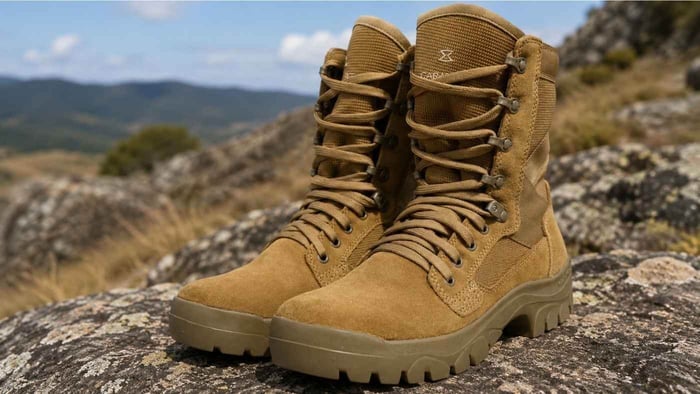
How Long Do Tactical Boots Last? Real-World Lifespan and Operational Maintenance
Table of Contents
- How Long Do Tactical Boots Last?
- What Determines Tactical Boot Lifespan?
- Which Parts of Tactical Boots Wear Out First?
- Signs It Is Time to Replace Your Tactical Boots
- Choosing Tactical Boots for Australian Conditions
- What About ADF Approved Boots?
- How to Make Tactical Boots Last Longer
- Match the Boot to the Job
- FAQs
Tactical boots do not have a fixed expiry date. Their service life depends on how hard they are used, where they are worn, how they are constructed and how well they are maintained.
A pair worn occasionally on established trails can last for several years. Boots used every day for field work, training, security duties or demanding outdoor operations may need replacing much sooner.
For Australian users, heat, humidity, mud, rain, dust and abrasive terrain can all accelerate wear. The right question is not simply how old a pair of tactical boots is. It is whether they are still providing the grip, support, protection and comfort required for the job.
How Long Do Tactical Boots Last?
There is no universal replacement schedule for tactical boots. A reasonable service life can range from several months under demanding daily use to several years with lighter use and proper care.
The biggest factor is workload.
Someone walking several kilometres every day on concrete and asphalt places very different demands on their footwear compared with someone wearing the same boots occasionally for hiking or outdoor recreation.
As a general guide:
Light to Moderate Duty
For occasional outdoor use, light trail walking, warehouse work or other relatively controlled environments, a quality pair can remain serviceable for several years.
The outsole may still have plenty of tread, but the cushioning, footbed and internal support can gradually deteriorate with age. Regular inspection is still important, even when the boots look relatively good from the outside.
Heavy Operational Duty
Daily use across mixed terrain can shorten the lifespan considerably. Frequent walking, standing, carrying loads, climbing, kneeling and exposure to mud or moisture all increase stress on the boot.
For people working in demanding environments, replacement may be necessary after around a year or two, sometimes sooner if the boots are subjected to particularly harsh conditions.
Extreme Conditions
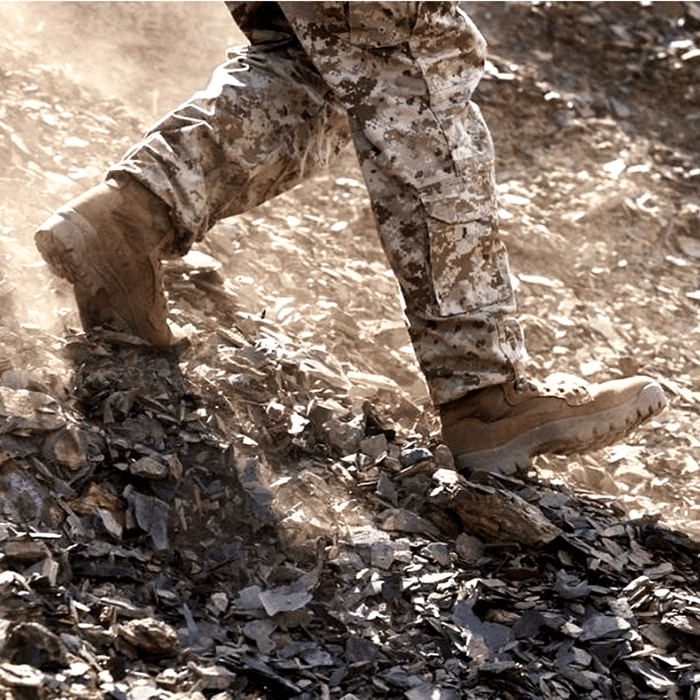
Mountainous terrain, sharp rocks, wet tropical environments, heavy mud and continuous exposure to abrasive surfaces can produce significant wear within months.
That does not mean every pair of military grade boots will fail within a few months. It means the condition of the footwear should be assessed more frequently when operating conditions are particularly demanding.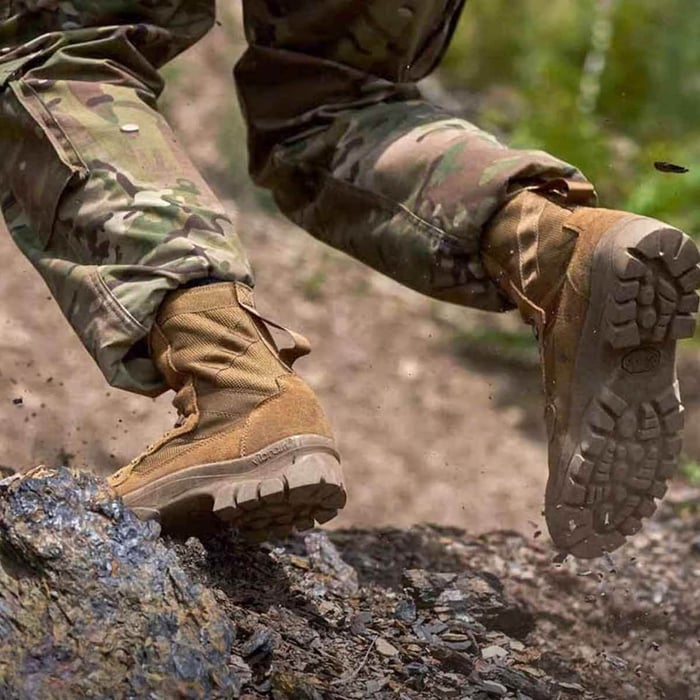
What Determines Tactical Boot Lifespan?
Two pairs of boots can have very different service lives even when they are the same model.
Several factors determine how quickly footwear wears out.
Frequency of use
Type of terrain
Hours spent walking or standing
Load carried by the wearer
Heat, moisture and humidity
Exposure to mud, salt and dirt
Boot construction and materials
Cleaning and maintenance
Fit and sizing
Hard surfaces such as concrete and asphalt can be particularly abrasive to outsoles. Rough trails can place greater stress on the upper, stitching and ankle area.
A well-fitted boot can also last longer simply because the foot is not constantly sliding or creating unnecessary friction inside the footwear.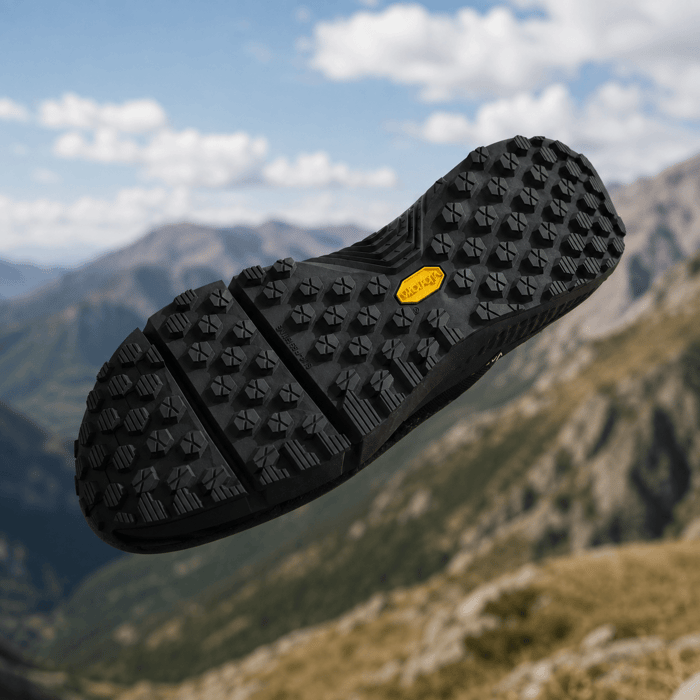
Which Parts of Tactical Boots Wear Out First?
Understanding where wear occurs makes it easier to identify problems before a boot becomes unsuitable for operational use.
Outsole and Tread
The outsole provides traction and protects the rest of the boot from the ground.
Inspect the heel and forefoot first, as these areas often experience the most contact with the ground. If the tread has become noticeably shallow or smooth, traction can deteriorate, particularly on wet, loose or uneven surfaces.
A boot does not need to look completely worn out before the outsole becomes a reason for replacement.
Midsole and Cushioning
The midsole absorbs impact and contributes to underfoot comfort and stability.
Foam materials can gradually compress through repeated use. As cushioning deteriorates, an old pair may feel harder or less supportive even though the upper and outsole still appear intact.
If your feet, heels, knees or lower back start feeling noticeably more fatigued during a normal shift, inspect the condition of the footwear rather than assuming the boots are still performing as they should.
Upper Materials and Stitching
The upper is exposed to repeated flexing, abrasion, moisture and contact with the environment.
Leather can provide excellent durability when properly cared for, while synthetic materials can reduce weight and improve breathability. Many tactical boots combine different materials to balance protection, flexibility and weight.
Pay particular attention to stitching and flex points around the toe box, forefoot and ankle. Cracking, significant abrasion or failed stitching can eventually affect the structural integrity of the boot.
Waterproofing
Waterproof tactical boots can be valuable in wet environments, but waterproof protection is not permanent.
Waterproof performance can decline when the membrane, seams or surrounding materials become damaged through heavy use. Dirt and grit can also contribute to wear, making regular cleaning and inspection particularly important.
If a pair that previously kept your feet dry begins allowing water through, investigate the condition of the boot rather than assuming the waterproofing will recover with age.
Signs It Is Time to Replace Your Tactical Boots
Age alone is not a good reason to replace a pair. Physical condition and performance are more important.
Look for these warning signs:
Flattened tread: Worn areas around the heel or ball of the foot can reduce traction.
Loss of cushioning: Boots may feel harder, less comfortable or less supportive after prolonged use.
Sole separation: Gaps between the outsole and upper can allow water and debris inside and may create a trip hazard.
Cracked or damaged uppers: Significant cracking or abrasion can compromise protection and weather resistance.
Damaged internal lining: Worn heel areas can create friction and increase the risk of blisters.
Persistent water ingress: If waterproof boots no longer keep moisture out, check for damage to the membrane, seams and upper.
Reduced stability: If the boot no longer holds the foot securely or feels unstable on uneven ground, it may have reached the end of its useful life.
A pair of boots does not need to be completely falling apart before replacement becomes worthwhile.
Choosing Tactical Boots for Australian Conditions
When comparing tactical boots, buyers should consider the environment before focusing on individual features.
Australian conditions vary considerably. A boot suited to wet, muddy terrain may not be the best option for long shifts in hot and dry conditions.
For warm-weather work, lightweight tactical boots can reduce the weight carried on the feet and may provide better breathability. In wet environments, waterproof tactical boots can provide additional protection from rain, mud and standing water.
For rough terrain, prioritise outsole grip, stability, ankle support and durable construction.
The best tactical boots are not necessarily the heaviest or most heavily featured. They are the boots that match the demands of the work.
What About ADF Approved Boots?
ADF personnel have specific requirements for footwear, so it is important to distinguish between tactical, military-style and approved footwear.
A boot marketed as military grade is not automatically an ADF approved boot. If footwear needs to meet a particular defence requirement, check the applicable requirements and confirm that the specific model is approved for the intended use.
This is particularly important when buying tactical footwear for service, training or other situations where compliance matters.
How to Make Tactical Boots Last Longer
Good maintenance cannot prevent normal wear, but it can help avoid unnecessary damage.
Clean Boots After Heavy Use
Remove mud, dirt and grit after particularly dirty jobs or field exercises. Pay attention to the outsole, seams and areas around the flex points.
Allow Wet Boots to Dry Naturally
Remove the insoles and allow wet footwear to dry at room temperature. Avoid direct heat from fires, heaters or heat guns, as excessive heat can damage leather, adhesives and synthetic materials.
Follow the Manufacturer's Care Instructions
Leather, synthetic and waterproof footwear can require different treatments. Use cleaning and conditioning products recommended for the specific boot rather than applying a generic product that could affect the materials or waterproof membrane.
Rotate Your Boots
If tactical boots are worn every day, rotating between two pairs can give each pair more time to dry between shifts. This is particularly useful in hot or humid environments where perspiration can build up inside the footwear.
Replace Worn Insoles
The insole can lose cushioning before the rest of the boot reaches the end of its useful life. Replacing a worn insole can restore some comfort without requiring an entirely new pair, provided the boot itself remains structurally sound.
Match the Boot to the Job
The lifespan of tactical boots ultimately comes down to more than the quality of the boot itself. The operating environment, workload, fit and maintenance routine all influence how quickly footwear deteriorates.
Regular inspection is the simplest way to avoid relying on boots beyond their useful service life. Check the tread, cushioning, upper, stitching, waterproofing and internal lining, particularly when the boots are used every day.
Replacing worn footwear before it becomes a safety or comfort problem can help maintain traction, support and performance when they matter most.
If you are replacing worn footwear or looking for a pair suited to your operating environment, browse Military Shop's range of tactical boots, military footwear and outdoor footwear to find an option suited to your requirements.