


Tactical Belts: A Quick Guide for Work, Adventure & Utility
Table of Contents
Whether you’re tracking game, climbing ladders, or hauling gear, your belt isn’t just about holding up trousers—it’s your load-bearing backbone. Tactical belts offer serious utility across outdoor environments, trade sites, and utility roles. From rugged webbing and reinforced buckles to modular gear setup, these belts serve hunters, outdoorsmen, tradies and utility workers alike. In this guide we’ll break down what to look for, showcase top picks from Australia, and help you configure yours for maximum performance.
Unlike standard belts designed for comfort or appearance, tactical belts are engineered as functional equipment systems. They are built to carry weight, stabilise tools, and support movement under load, making them an essential part of modern outdoor and worksite gear rather than an optional accessory.
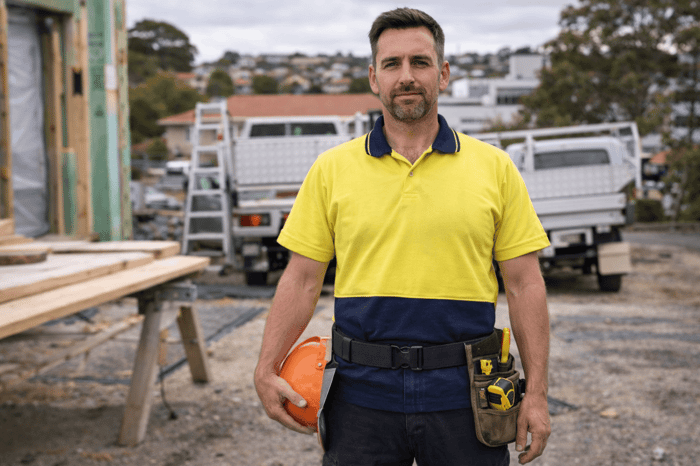
For hunters, outdoorsmen, tradies and utility workers in Australia, a high-quality tactical belt is more than gear—it’s a foundation of your kit. Choose durability, choose purpose, and set your belt up right for every adventure and work shift. If you're looking to upgrade your tactical belt, Australia's Military Shop has a wide collection that you can explore here.
Essential Features for Adventurers and Tradies
When you’re pushing gear, tools and mission-critical equipment, your belt must perform. Key features include:
✔ Strength and load capacity
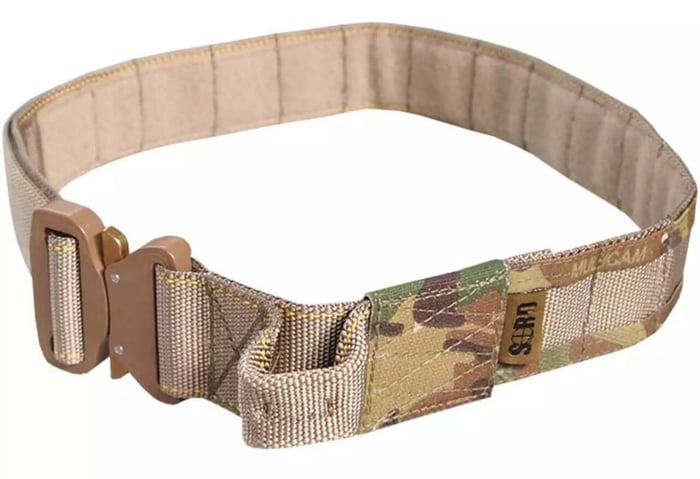
A tactical belt should handle heavy attachments without sagging or deforming. For example, the SORD Agile Cobra Belt uses Type 7 nylon webbing for unmatched durability.
High-quality tactical belts are often rated to carry several kilograms of distributed load without twisting or rolling. This is particularly important for tradies carrying tools, hunters carrying knives and ammunition, or utility workers relying on radios and safety equipment throughout the day.
✔ Weather and environment resistance
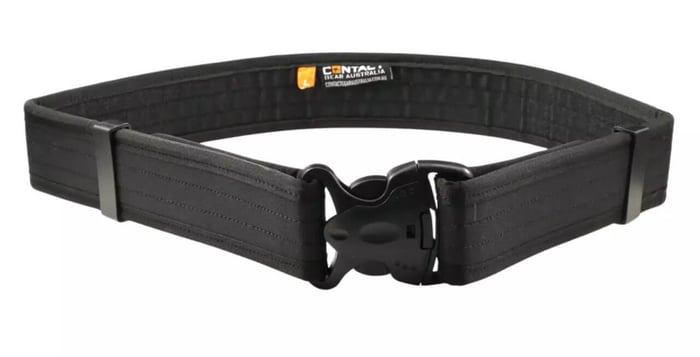
Look for materials such as heavy-duty nylon, Cordura or coated webbing that resist moisture, UV, abrasion and sweat. The Contact Gear Australia TDU Tactical Belt is built with heavy-duty nylon webbing and a robust buckle system.
Australian conditions demand resilience. Heat, dust, rain and salt air can quickly degrade inferior materials, so belts designed for military and professional use offer far greater longevity in harsh outdoor and worksite environments.
✔ Everyday carry (EDC) utility
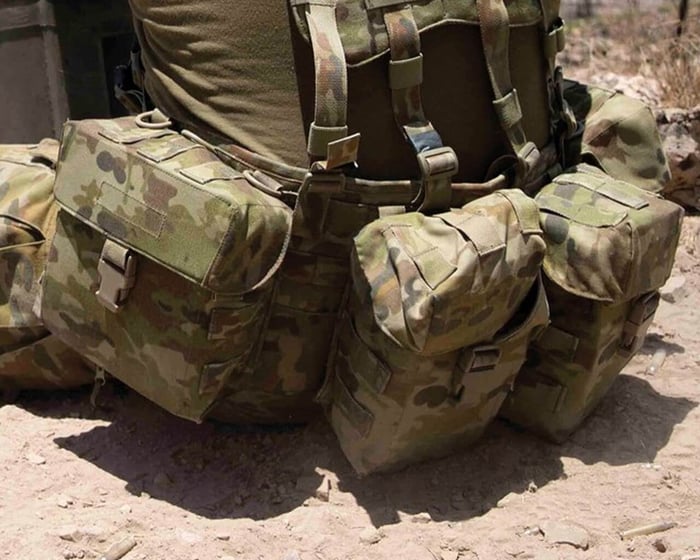
Belts with modular loops, MOLLE compatibility, removable buckles and adjustable sizing let you attach pouches, tools or holsters as required for hunting, maintenance or construction.
This modularity allows users to adapt the same belt for different roles—one setup for the bush, another for the job site—without needing multiple belts or redundant gear.
✔ Comfort and fit
A belt under heavy load must stay comfortable all day—padding, width, adjustability and belt-keeper retention all matter. The Contact Gear Australia Duty Belt features tough Cordura construction with a triple lock fastener for stability.
Wider belts distribute pressure more evenly across the waist, reducing hotspots and fatigue during long wear. Proper fit also improves posture and reduces strain on the lower back when carrying tools or equipment.
✔ Australian suitability
Ensure the belt supports Australian worksite standards and outdoor demands—sizing, durability, load-bearing and gear compatibility are vital for local users.
Belts sourced and tested for Australian users are more likely to account for local sizing standards, common tools, and real-world working conditions, making them a smarter investment for long-term use.
By focusing on these essentials, you ensure your belt works as hard as you do—whether trekking, working heights, operating tools or packing gear in remote terrain.
How to Set Up Your Tactical Belt for Maximum Efficiency
Achieving optimal performance means equipping your belt deliberately. Here are some important pointers to consider:
Measure with gear and load
Ensure your belt fits over clothing and any outer layer (e.g., harness, tool pouches). Always size your belt while wearing the layers and equipment you’ll actually use. A belt that fits perfectly over jeans may feel restrictive or unstable once tools or outerwear are added.
Start with a solid base belt
Use the main belt to carry the weight. A rigid or semi-rigid base belt prevents sagging and ensures attachments stay where you place them, even when moving, bending or climbing.
Add modular pouches and tools
Attach only what you need (knife, multitool, flashlight, first aid cube) to reduce bulk and fatigue. Overloading a belt not only causes discomfort but can also slow movement and increase the risk of injury. Minimal, purpose-driven setups are consistently more effective than heavily cluttered belts.
Balance weight distribution
Avoid overloading one side; rotate tool placement for longer wear. Even weight distribution improves balance and reduces strain on hips and lower back, especially during long shifts or extended time outdoors.
Retention and adjustability
Use belt keepers or a secondary inner belt to stabilise heavy loads and tighten gear. Inner-and-outer belt systems are particularly effective for users carrying heavier tools or equipment, preventing belt movement during dynamic tasks.
Inspect regularly
Check stitching, buckle wear, webbing fray and attachment points monthly. Routine inspection helps catch wear early, extending the life of your belt and reducing the risk of equipment failure when you need it most. When your belt is configured correctly, your body moves naturally, gear stays secure, and you avoid discomfort or equipment failure in the field or on-site.
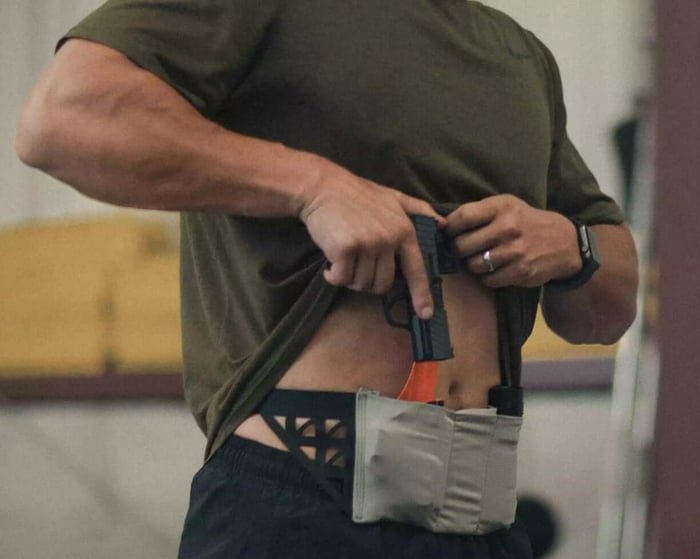
Tactical Belts Across Different Use Cases
While originally developed for military applications, tactical belts have proven their value far beyond defence environments.
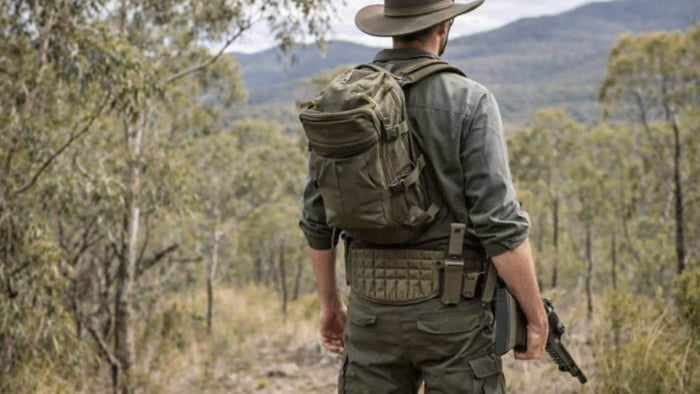
Hunters benefit from secure carry of knives, rangefinders and ammunition without relying on backpacks for frequently used items. Outdoorsmen appreciate quick access to tools and first aid while maintaining freedom of movement. Tradies and utility workers gain a stable platform for essential tools, radios and safety equipment, improving efficiency and reducing repeated trips to toolboxes or vehicles.
This versatility is what makes tactical belts a practical investment rather than a niche product—they adapt to the task, not the other way around.
Value for Money and Long-Term Durability
If you can, choose belts with warranty, parts availability and reviews in Australian settings to maximise longevity. If you want cost-effective, high-performance gear, go for straps and materials designed for action, not fashion. Your belt becomes a tool in itself.
Investing in a quality tactical belt pays dividends because while a premium belt like the may cost more upfront, but their durability and load management save on replacements and downtime. A robust belt also protects your trousers, harness equipment, and supports your gear load—meaning less wear across your kit.
Over time, a high-quality belt often proves more economical than replacing multiple lower-quality options that fail under load or harsh conditions.
Why a Tactical Belt Is the Foundation of Your Kit
A well-chosen tactical belt is not just an accessory: it is the anchor point for how you carry, access and manage your essential equipment. Whether in the bush, on a worksite or in demanding outdoor conditions, it supports efficiency, safety and endurance. When you select a belt that confidently carries tools, withstands terrain and gear load, and supports your body for long durations, you’re investing in performance.
FAQs
What’s the difference between a regular belt and a tactical belt?
A tactical belt is engineered to carry gear (holsters, pouches, tools) under load, using reinforced webbing, high-strength buckles and often modular attachment points. Regular belts simply hold up pants.
How do I choose the correct size tactical belt for outdoor/trade use?
Measure your waist with the gear you’ll wear (pants + outer layer). Choose a size that leaves adjustability for growth/gear. Belt size charts from the vendor can guide you.
Can one tactical belt suit both hunting and trade site use?
Yes, but ensure the belt meets both terrain and load demands: durability, environment resistance (forest, urban), modular carry for hunting tools and trades tools. One good belt can cover both if selected well.