


Military Awards and Medals: Preserving Service, Honour and National Memory
Table of Contents
- Explore Australia’s Complete Range of Medals & Order of Wear
- What Are Military Awards & Medals?
- A Brief History of Military Honours and Awards
- Categories of Military Medals in Australia
- Medal Design and Symbolism
- What Do Military Decorations Symbolise?
- Recognition, Accuracy and Respect
- Wearing and Caring for Medals
- Military Awards and Medals in Contemporary Service
- A Continuing Responsibility
- FAQs
Military awards and medals, are more than ceremonial decorations. They represent courage, sacrifice, leadership and service. Across generations, they have recognised those who have served their country in times of conflict, peacekeeping and humanitarian operations.
Explore Australia’s Complete Range of Medals & Order of Wear
Whether you are identifying a family heirloom, verifying a veteran’s operational entitlements, or assembling a replica rack for ceremonial wear, knowing where each decoration fits within Australia’s honours framework is key.
Every campaign medal, gallantry award, and long-service ribbon holds a precise position that reflects its significance and history. To explore the full catalogue of official Australian decorations, discover the history behind each award, and easily map out your precise order of wear, visit Rack Builder—Australia's first interactive medal builder.
For serving members, veterans and families, military awards and medals carry meaning that extends well beyond ceremony. They reflect service rendered in challenging conditions, often far from home, and stand as lasting acknowledgements of contribution to Australia’s defence and security.
What Are Military Awards & Medals?
Military awards and medals are official recognitions presented to members of the armed forces for acts of bravery, distinguished service, long service, campaign participation or exceptional achievement.
They fall under a broader system known as awards and honours, which includes Gallantry awards, Service and campaign medals, Distinguished service decorations, and Long service medals.
Each award has strict eligibility criteria, ensuring that military awards retain their prestige and integrity.
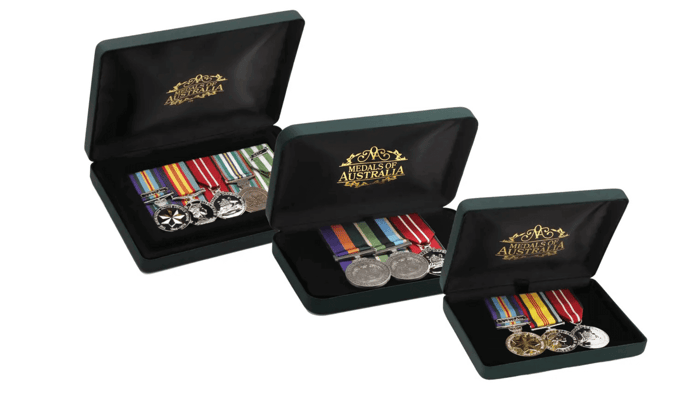
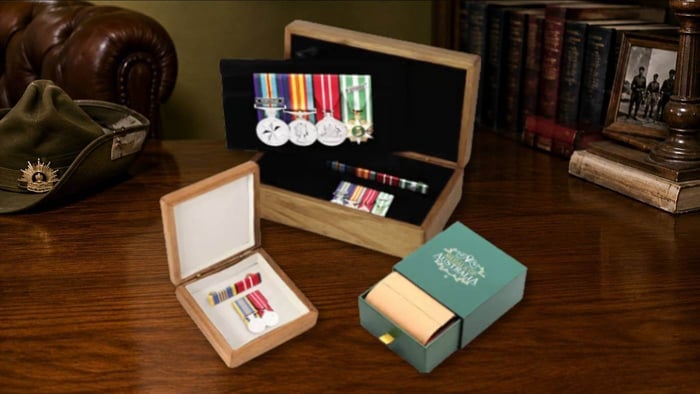
Medals of Australia recognises the significance of honouring service and is committed to delivering a personalised experience that acknowledges the achievements of service personnel and their families. Specialising in military, police and emergency service replica medals and professional mounting, each piece is crafted with precision, authenticity and care to create lasting heirlooms. Proudly owned and operated by the BrandNet Group, with more than 30 years’ experience supporting Government and Corporate Australia, the organisation upholds a strong reputation for quality and integrity. Discover the range of military awards and medals here.
A Brief History of Military Honours and Awards
The tradition of recognising military service dates back centuries. In medieval times, warriors were granted symbols of honour such as chains, badges or orders of knighthood. As armed forces became more formalised, structured systems of military honours and awards developed.
In Australia, the modern honours system was established in 1975. Prior to this, Australian personnel were recognised under the British honours system. Today, Australia maintains its own independent framework of military decorations and medals.
This transition marked an important moment in national identity, allowing Australian service members to be recognised within a distinctly Australian system of awards and honours.
Categories of Military Medals in Australia
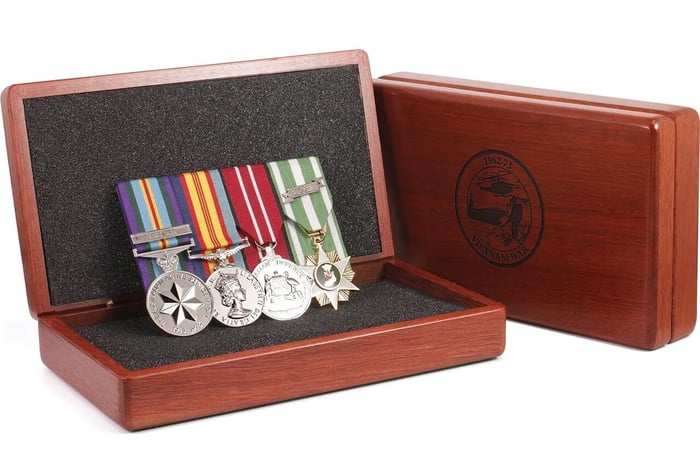
Military medals within the Australian Defence context are structured into recognised categories, each reflecting a distinct aspect of service. Together, these categories form a comprehensive system that ensures service, sacrifice, leadership and commitment are acknowledged with accuracy, consistency and respect under the Australian Honours and Awards System. Understanding these distinctions is essential to preserving the integrity and meaning of military honours.
Gallantry and Bravery Medals
Gallantry and bravery medals recognise acts of courage performed in the presence of danger, often under extreme risk. These awards honour individuals who demonstrate exceptional valour, moral courage and selflessness, either in combat or in hazardous circumstances outside warlike operations.
They are among the most prestigious decorations in the Australian honours system and are awarded sparingly following rigorous assessment. Examples include:
Victoria Cross
Star of Gallantry
Medal for Gallantry
Bravery Medal
Distinguished Service Decorations
Distinguished service decorations acknowledge exceptional leadership, command, or sustained performance of duty in demanding operational environments. Unlike gallantry awards, these honours generally recognise excellence over time rather than a single act.
They are typically awarded to personnel who demonstrate outstanding judgement, professionalism and responsibility in warlike or non-warlike operations. Examples include:
Distinguished Service Cross
Distinguished Service Medal
Campaign and Operational Medals
Campaign and operational medals recognise service in specific conflicts, operations or theatres. Eligibility is defined by formal criteria, including geographic location, operational designation and minimum service periods.
These medals acknowledge participation and contribution to national and international operations, forming a visible record of where and when an individual has served. Examples include:
Australian Active Service Medal
Australian Operational Service Medal
Iraq Medal
Afghanistan Medal
Long Service and Good Conduct Medals
Long service and good conduct medals reward sustained, disciplined and efficient service over prescribed qualifying periods. These awards recognise professionalism, commitment and reliability across a military career rather than operational deployment.
They are an important reflection of dedication to duty and adherence to Defence standards. Examples include:
Defence Long Service Medal
National Medal
Medal Design and Symbolism
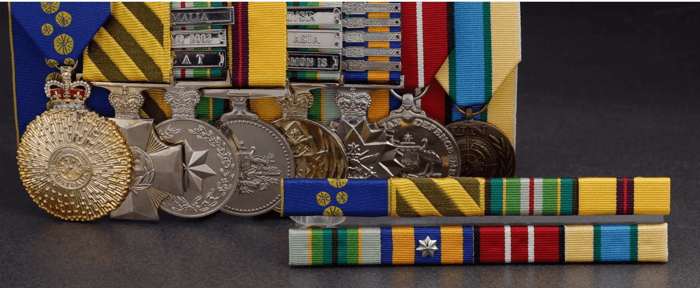
The design of military awards and medals is deliberate and symbolic. Medals often incorporate national emblems, crowns, service insignia or heraldic elements that reflect authority and tradition. Ribbon colours are carefully selected, frequently carrying historical or operational significance.
These visual elements allow medals to communicate meaning at a glance. They identify the nature of service, the awarding authority and the place of the medal within the honours system. When worn or displayed correctly, they uphold the dignity of both the recipient and the institution that bestowed them.
What Do Military Decorations Symbolise?
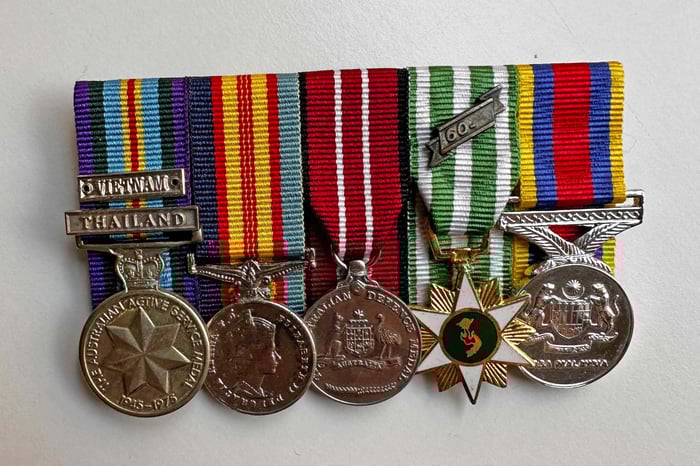
Each element of a medal carries meaning:
Ribbons often represent campaign colours or national symbolism
Metals such as bronze, silver or gold indicate hierarchy
Insignia and emblems reflect service branch or national identity
Clasps and bars denote additional campaigns or extended service
When worn together, military awards and medals tell the story of a service member’s career. The order of wear is strictly regulated, ensuring consistency and respect within the system of military honours and awards.
Recognition, Accuracy and Respect
Each category contributes to a complete and enduring record of military service, reflecting the diversity of roles and responsibilities undertaken by Australian Defence Force personnel. Maintaining the integrity of this system relies on accurate entitlement, correct mounting, and adherence to official standards.
Medals of Australia by the BrandNet Group plays an important role in safeguarding this integrity through education and respectful presentation. Through careful stewardship, the meaning, authority and legacy of military award medals are preserved for those who have earned them — and for the generations who will remember their service.
Wearing and Caring for Medals
The wearing of military awards and medals is governed by strict protocols that reflect their significance. Medals are worn in order of precedence on ceremonial occasions and commemorative events, ensuring consistency and respect across services.
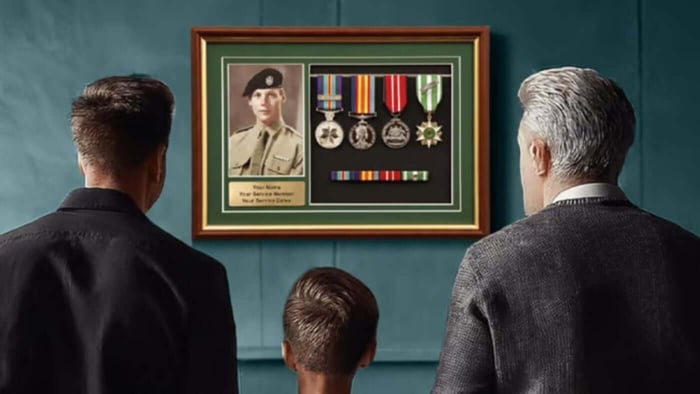
When not worn, medals should be properly stored or displayed to protect them from damage. Framing, presentation cases and careful handling help preserve both the medal and its accompanying documentation.
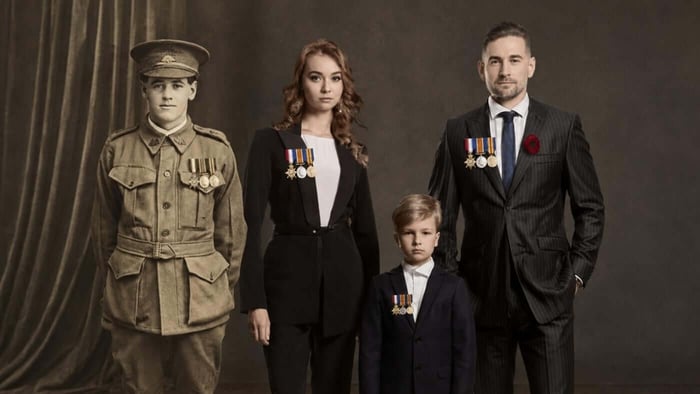
Many families treat military medals as heirlooms, passing them down alongside service records and personal histories. Proper care ensures these items remain intact for future generations.
Military Awards and Medals in Contemporary Service
Military awards and medals remain highly relevant in modern service. Contemporary operations, peacekeeping deployments and humanitarian missions continue to generate new forms of recognised service. While the nature of operations evolves, the principles underpinning military decorations remain constant.
Recognition reinforces professional standards, morale and accountability. It also ensures that service rendered in modern contexts is documented and remembered with the same care afforded to earlier generations.
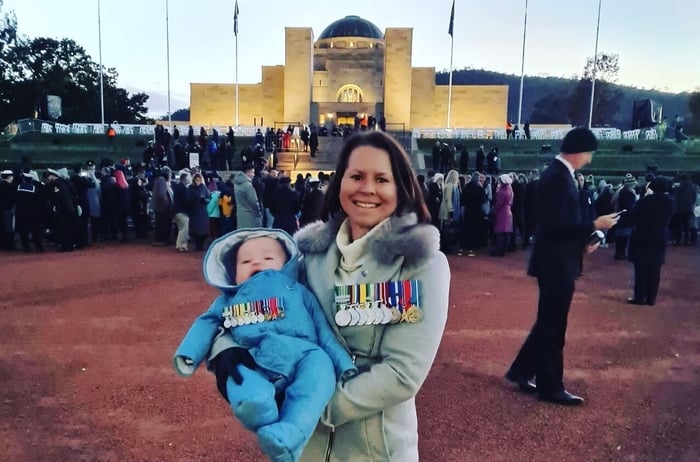
A Continuing Responsibility
Military awards and medals represent far more than individual achievement. They embody a shared responsibility to recognise service accurately, respectfully and with care. Each medal carries a story that must be preserved, a meaning that must be upheld, and a legacy that deserves to be treated with dignity.
An informed understanding of military awards and medals strengthens Australia’s stewardship of national memory. Through thoughtful recognition and careful preservation, the honours system continues to fulfil its purpose: acknowledging service, recording history and honouring those who have served.
FAQs
What are military awards and medals in Australia?
Military awards and medals in Australia are official honours issued to recognise service, participation in campaigns or operations, long service, and good conduct within the Australian Defence Force. They form part of the national honours and awards system.
How do military decorations differ from service medals?
Military decorations are awarded for acts of gallantry, bravery or exceptionally distinguished service, often in hazardous conditions. Service medals, including campaign and long service medals, recognise participation, commitment and sustained service rather than individual acts of heroism.
Why is accurate entitlement and presentation of military medals important?
Accurate entitlement and correct presentation ensure the integrity of Australia’s honours system. Proper verification, mounting and handling preserve historical accuracy, maintain public trust and ensure that military service is recognised with appropriate dignity and respect.