


India’s Forgotten Soldiers Who Fought Alongside the ANZACs
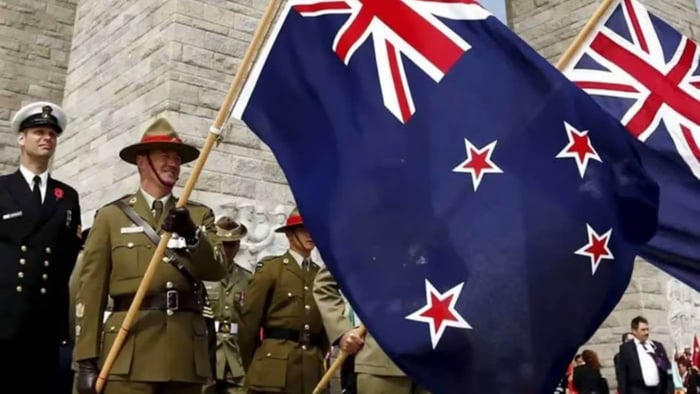
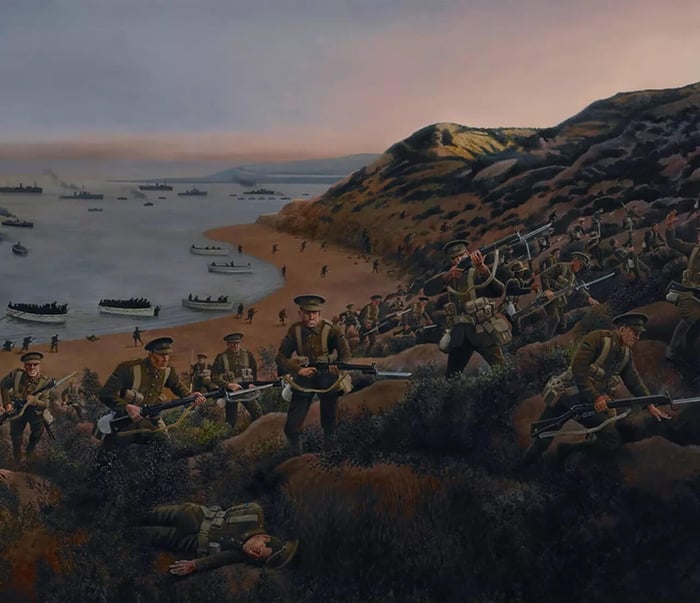
The Gallipoli campaign of World War I is widely remembered for the courage and sacrifice of Australian and New Zealand troops (ANZACs), but thousands of Indian soldiers also fought alongside them. Modern research and memorial efforts have begun to restore this overlooked chapter of history, revealing a much broader picture of the Allied effort in 1915 and the shared experience on the battlefield.
A Vital Role on the Front Lines
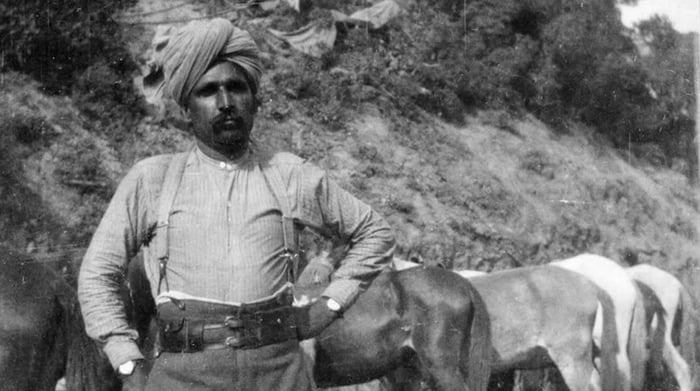
Historians estimate that roughly 16,000 Indian troops served as part of the Allied force at Gallipoli, contributing to many key actions including battles at Gully Ravine, Gully Spur and Sari Bair. These soldiers represented a range of units, such as infantry brigades, mountain artillery, medical detachments and large contingents of mule drivers responsible for moving supplies across difficult terrain.
The Indian mule drivers played a particularly critical role, sustaining frontline positions by carrying food, ammunition and water where mechanised transport could not go. Their work directly supported troops from all allied contingents, including the ANZAC forces.
Heavy Losses and Enduring Sacrifice
The cost of service was high. Historical estimates suggest that around 1,400 Indian soldiers were killed at Gallipoli, with several thousand more wounded. Many of those who died were buried far from their homeland, while others are commemorated in Commonwealth war cemeteries across the region. Despite these losses, their sacrifice has received limited recognition in public commemorations of Gallipoli.
Shared Hardships and Camaraderie
Accounts from the time reveal that Indian and ANZAC soldiers often developed strong bonds under the pressures of war. Letters, photographs and diary entries describe moments of cooperation, shared rations and mutual reliance in harsh conditions. These interactions reflect the multinational nature of the Gallipoli campaign and challenge the perception that it was fought solely by Western forces.
Why Their Story Was Forgotten
One of the key reasons Indian involvement has faded from public memory is the loss of historical records. The partition of India in 1947 resulted in the destruction or dispersal of many military archives, making it difficult for historians to trace individual service histories. Over time, this contributed to a lack of awareness in both Australia and India about the scale of Indian participation at Gallipoli.
Reclaiming a Broader History of Gallipoli
In recent years, historians and researchers have worked to uncover and share these long-overlooked stories, helping to broaden understanding of Gallipoli beyond a single national narrative. Recognising the contribution of Indian soldiers offers a more complete picture of the campaign and honours the shared sacrifice of all who served, reinforcing that Gallipoli was a collective effort shaped by soldiers from across the British Empire.
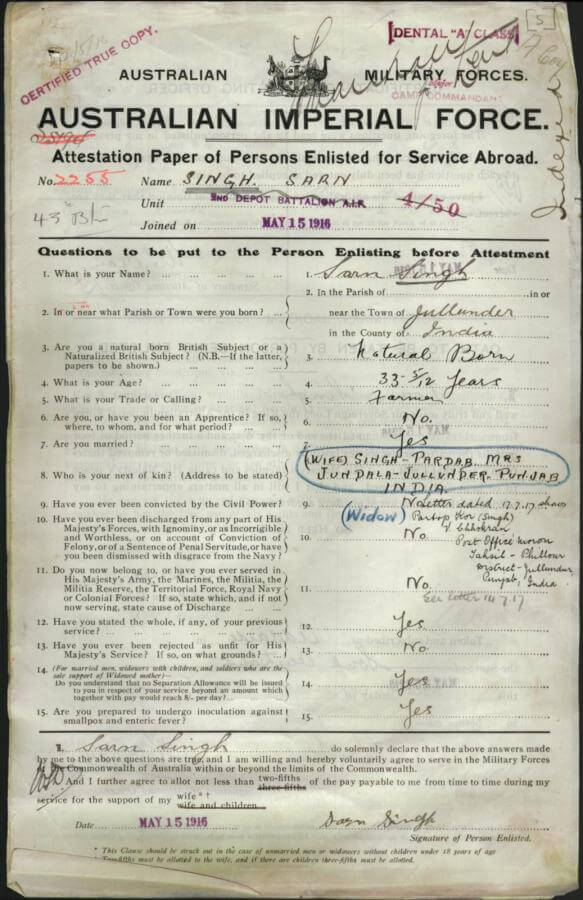
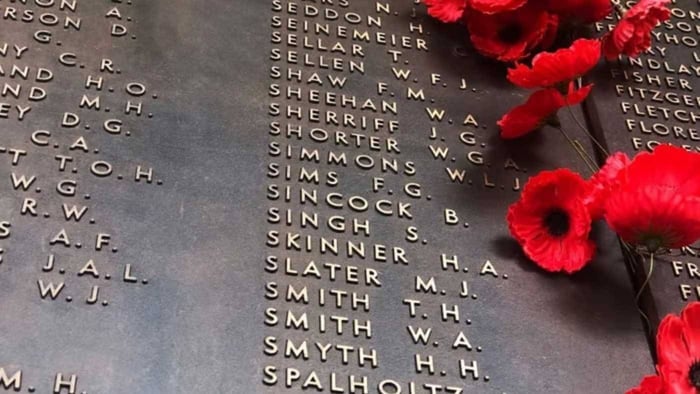
This renewed recognition has also been reflected in formal acts of commemoration. In 2018, the ANZAC Jawan Cenotaph was unveiled in Cherrybrook, NSW, honouring Australian soldiers of Indian heritage and acknowledging the wider group of Indian troops who fought alongside Allied forces at Gallipoli and in other campaigns. The cenotaph bears the names of Indian-Australian soldiers who served in the Australian Imperial Force, standing as a lasting reminder of contributions long absent from public memory.

Beyond memorials, Indian service is now increasingly recognised during ANZAC Day services, with Sikh and Indian-Australian veterans, families and community groups regularly taking part in marches and commemorations. Together, these efforts help ensure that this shared legacy is remembered, respected and woven more fully into Australia’s remembrance of Gallipoli.
Sources: ABC News (2015) and NSW War Memorials Register. Images from Australian War Memorial and National Archives of Australia, except for 'Where The Poppies Grow' artwork.