Our Blog
United Nations Day: Australia’s Proud Legacy in Global Peacekeeping Missions
Table of Contents
- The Origins of United Nations Day and Australian Protocol
- Australia’s Pioneering Role in UN Peacekeeping Missions
- Shaping Regional Stability: East Timor and Beyond
- Beyond the Uniform: Civilian and Police Contributions
- Commemorating the Fallen on United Nations Day
- Looking Forward: Australia’s Continued Commitment
- FAQs
Each year on 24 October, the global community pauses to observe United Nations Day, marking a pivotal moment in modern international history. For Australia, this date is much more than an international observance on the calendar; it serves as a powerful reminder of the nation’s commitment to global stability, human rights and multilateral diplomacy. From the Parliamentary Triangle in Canberra to state government buildings across Western Australia and beyond, Australians honour the day the UN Charter officially entered into force in 1945.
Observing UN Day allows Australians to reflect on a remarkable heritage. Since 1947, Australian Defence Force (ADF) personnel, police officers, diplomats and civilian experts have stepped up to serve on the front lines of international peace. Exploring Australia’s enduring footprint within the United Nations reveals a legacy built on courage, mateship and an unwavering dedication to protecting vulnerable populations worldwide. United Nations Day should not be confused with the International Day of Peace, which is held each year on 21 September.
The Origins of United Nations Day and Australian Protocol
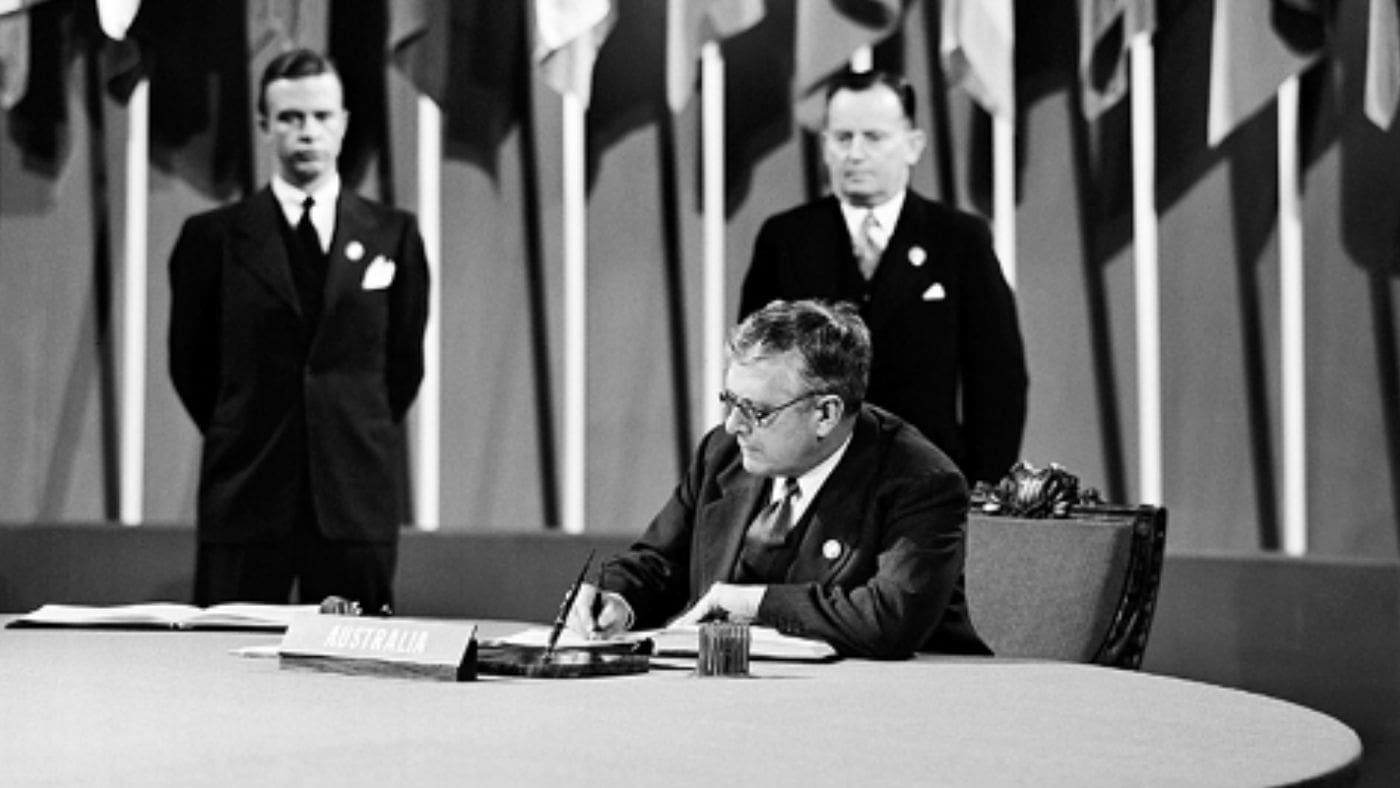
To understand why United Nations Day holds such a distinguished place in Australia’s civic calendar, we must look back to its inception. The United Nations officially came into being on 24 October 1945, when the UN Charter entered into force after ratification by the five permanent members of the Security Council and a majority of the other signatories. Australia signed the Charter on 26 June 1945 and deposited its ratification on 1 November 1945, making it one of the founding members of the United Nations.
Australia was not merely a passive bystander during the drafting of the Charter. Australian delegates, including Dr H.V. Evatt, played an influential role at the 1945 San Francisco Conference. According to the National Museum of Australia, Evatt was adamant that the new organisation should have more input from smaller countries, and member nations pledged to work towards respect for human rights, full employment and better living standards for all people.
Across the country, government establishments mark the anniversary. The Department of the Prime Minister and Cabinet notes that 24 October is observed throughout Australia and its territories as United Nations Day, and that the United Nations flag is flown on this day where possible. If only one flagpole is available, the Australian National Flag should be the flag flown. Western Australian Government guidance adds that the Australian National Flag should be flown in the pre-eminent position, and that the United Nations flag should be the same size as other flags flown. This visible tribute underscores Australia’s historic and ongoing alignment with global cooperative security.
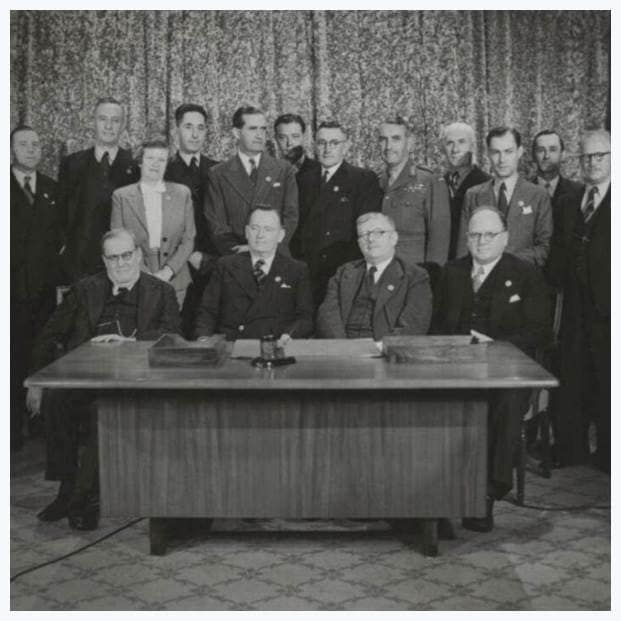
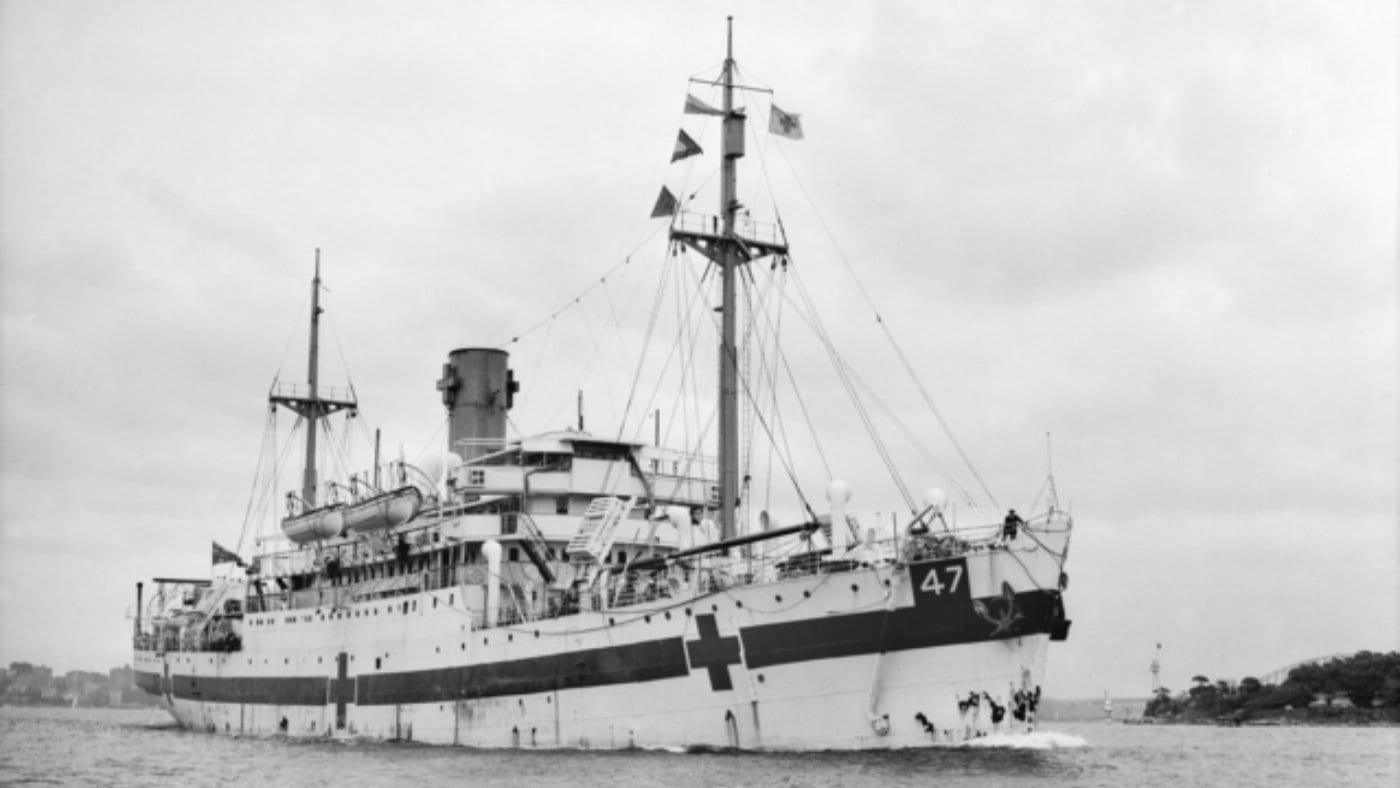
Image credits: https://catalogue.nla.gov.au/catalog/2992686
Australia’s Pioneering Role in UN Peacekeeping Missions
While diplomacy happens in meeting rooms, Australia’s reputation within the United Nations has largely been forged in the field. Australia has a long, proud history as a pioneer in UN peacekeeping. According to the Australian War Memorial, Australia has had peacekeepers in the field with the United Nations since 1947. That year, Australians were part of the very first group of UN military observers anywhere in the world, serving in the Dutch East Indies (now Indonesia). The UN Consular Commission was sent to Batavia on this first observation and peacekeeping mission on 14 September 1947.
This initial deployment marked the beginning of a remarkable peacekeeping journey. Over the following decades, thousands of Australians have served on peacekeeping operations in some of the world’s most volatile regions. For a period in 1993, Australia had over 2,000 peacekeepers in the field.
Key Milestones in Australian Peacekeeping
- Korea (1950): The UN’s judgement that North Korea had invaded the south was based in part on a report by Australian military observers serving with the UN Commission on Korea.
- The Middle East (UNTSO, since 1956): Australia has contributed peacekeepers to the UN Truce Supervision Organization since 1956. These unarmed military observers oversee ceasefire and armistice agreements and work to reduce tensions.
- Cyprus (UNFICYP, 1964 to 2021): Australian peacekeepers served in military, civilian and policing roles in Cyprus, with police serving from 1964 to 2017 and a military contribution from 2019 to 2021. UNFICYP was the first UN mission to have a civilian police force deployed.
- Cambodia (UNTAC, 1992 to 1993): Australia’s main contribution was the 500-strong Force Communications Unit, and Lieutenant General John Sanderson commanded a force of 16,000 troops from 34 countries as Cambodia moved to the May 1993 election.
- Rwanda (UNAMIR, 1994 to 1995): Two Australian contingents served from late August 1994 to August 1995, providing medical support protected by Australian infantry. In April 1995, Australian medics and soldiers worked through the tragedy at the Kibeho camp.
Shaping Regional Stability: East Timor and Beyond
Perhaps the most defining chapter of Australia’s modern peacekeeping legacy unfolded closer to home in Southeast Asia. In 1999, amid widespread violence following East Timor’s vote for independence, Australia organised and led the International Force East Timor (INTERFET), a non-UN multinational force operating in accordance with UN resolutions.
This mission demonstrated Australia’s capability to lead complex regional security operations. INTERFET formally transferred its responsibilities to UNTAET on 23 February 2000, and later UN missions included UNMIT from August 2006. Australian military personnel, police and civilian specialists remained on the ground for years to help build democratic institutions, support the development of a national police force and secure lasting independence for Timor-Leste. You can read more in our article on 25 years of Australian service in Timor-Leste.
This chapter showed that regional security and humanitarian support go hand in hand.
Beyond the Uniform: Civilian and Police Contributions
When people think of peacekeeping, military columns often come to mind first. However, a full view of what Australia celebrates on United Nations Day must acknowledge the vital role played by Australian police and humanitarian experts.
Since the first Australian contingent of 40 police officers arrived in Cyprus in May 1964, Australian police have served in UN missions worldwide. Unlike traditional military roles, peace operations police focus heavily on mentoring local law enforcement, rebuilding fractured justice systems, promoting human rights and ensuring community level safety. Similarly, Australian aid workers, logisticians, medical personnel and electoral specialists have consistently brought world class expertise to rebuilding war torn societies. In Cambodia, for example, about fifty Australian Electoral Commission staff helped to register and educate voters and run the May 1993 election.
Commemorating the Fallen on United Nations Day
As communities mark United Nations Day, it is essential to remember the human cost of these global commitments. Peacekeeping is rarely without danger. The Australian War Memorial lists 17 Australians who died during or as a result of service on peacekeeping operations (correct as at September 2017). The Australian Federal Police notes that three members of the Australian Civilian Police contingent lost their lives in Cyprus.
Their sacrifices are remembered across the country, from national monuments in Canberra to local RSL sub-branches and specialised museums, and each year on National Peacekeepers’ Day. Wearing commemorative ribbons, displaying service medals with pride and educating younger generations about these missions ensure that the courage of these personnel is never forgotten.
Military Shop plays a part in this remembrance, providing veterans, families and collectors with the means to honour ADF heritage through medal mounting, military history books and commemorative merchandise. Our guide on how to properly display and preserve war medals is a good place to start. Recognising the service of veterans on occasions like UN Day bridges the gap between past sacrifices and modern national identity.
Looking Forward: Australia’s Continued Commitment
As global challenges evolve in the 21st century, ranging from complex conflicts and cybersecurity threats to climate related humanitarian crises, the mission of the United Nations remains as relevant as it was in 1945.
Australia continues to adapt its contributions to meet these modern realities, working closely with international partners to support sustainable peacebuilding and effective conflict prevention.
Observing United Nations Day provides an opportunity to look back with immense pride at Australia’s legacy in UN peacekeeping missions. It stands as a testament to the character of Australian service members, defined not just by tactical capability, but by deep empathy, resilience and an enduring commitment to helping others build a safer, more stable world.