


Australia’s Proud History on National Peacekeepers’ Day
Table of Contents
Every year on 14 September, Australia pauses to observe national peacekeepers day, a vital day of commemoration that honours the courage, professionalism, and selflessness of Australians who have served in international peace operations. Since the dawn of global peacekeeping initiatives, over 65,000 Australian Defence Force (ADF) personnel, Australian Federal Police (AFP) officers, and civilian specialists have deployed to conflict zones and post-war nations around the globe.
From the tropical islands of the Pacific to the arid terrains of the Middle East, australia peacekeeping efforts have played an instrumental role in bringing stability, saving civilian lives, and upholding international law. As we reflect on national peacekeepers day, it is an opportunity to recognise not only the storied legacy of these operations but also the ongoing commitment of modern Australian peacekeepers serving across the globe today.
The Origins of Peacekeeping: A Historic First
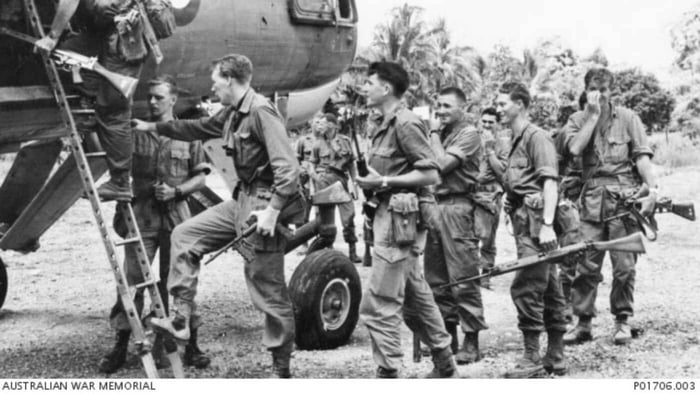
The significance of 14 September dates back to 1947. Following the devastation of World War II, conflict erupted in the Netherlands East Indies (modern-day Indonesia) as the nation sought independence. Responding to an appeal for international oversight, four Australian military officers deployed into the field on 14 September 1947 as part of the United Nations Consular Commission.
These four officers became the world’s very first military observers deployed on a united nations peacekeeping operation. This historic deployment effectively marked the birth of global peacekeeping as we know it today.
Remarkably, Australia has maintained peacekeepers in the field somewhere in the world every single day since that momentous date in 1947. This continuous presence reflects an enduring commitment to international peace, diplomacy, and humanitarian aid.
Expanding Roles: Beyond the Battlefield
While early operations primarily involved unarmed military observers monitoring ceasefires, the nature of a peacekeeping mission evolved significantly throughout the late 20th century. Australian peacekeepers quickly found themselves taking on complex, multi-faceted roles in some of the world’s most dangerous environments.
Across more than 50 multi-national missions, Australian contributions have included:
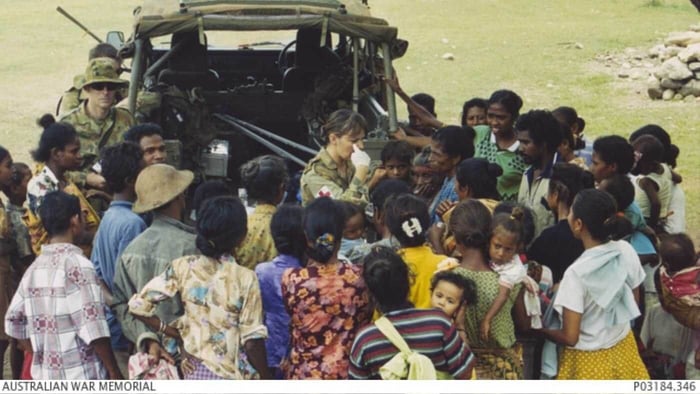
Humanitarian Assistance: Delivering critical food, shelter, and medical supplies to populations devastated by famine and war, such as in Somalia and Rwanda.
Demining and Unexploded Ordnance: Clearing lethal landmines and training local personnel to restore land for safe agricultural and civilian use.
Electoral and Democratic Support: Securing ballot boxes, monitoring democratic elections, and helping war-torn nations rebuild their governance structures.
Civilian Policing: Protecting local communities, rebuilding domestic police forces, and enforcing the rule of law.
In May 1964, Australia expanded its civilian contribution by sending 40 police officers to Cyprus. This marked the beginning of decades of vital service by Australian police officers, who have worked side-by-side with military personnel to restore civil order in volatile regions.
Female peacekeepers have also played a crucial, transformative role on deployment. Their unique ability to engage with local communities, particularly female survivors of gender-based violence and vulnerable children, has proven indispensable in modern peace enforcement.
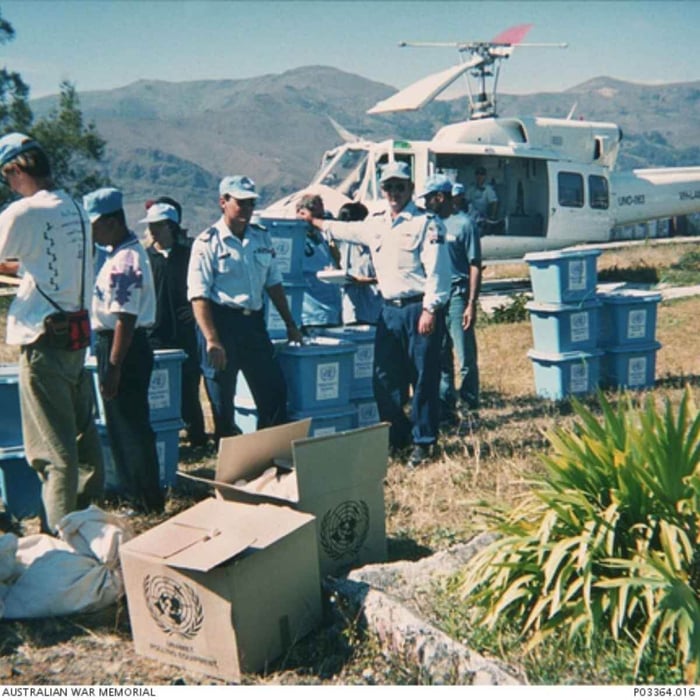
Defining Moments: East Timor Peacekeeping and Regional Leadership
While Australian peacekeepers have served as far afield as Africa, Europe, and the Middle East, some of the nation’s most profound contributions have occurred right on its doorstep in the Indo-Pacific region.
The most significant milestone in australia peacekeeping history occurred during the east timor peacekeeping operation in 1999. Following a vote for independence, widespread violence broke out across East Timor (now Timor-Leste). In response, Australia led the International Force East Timor (INTERFET), a multinational coalition mandated by the united nations peacekeeping council to restore peace and security.
Commanded by Australian Major General Peter Cosgrove, INTERFET represented Australia's largest peacekeeping deployment since World War II. Thousands of Australian soldiers, sailors, aviators, and police personnel deployed under challenging circumstances to disarm militia groups, facilitate humanitarian relief, and oversee the nation’s transition to full sovereignty.
The success of the east timor peacekeeping deployment cemented Australia’s reputation as a decisive, compassionate leader in regional security. Similar Australian-led regional deployments followed, including:
The Peace Monitoring Group in Bougainville (1998–2003): Helping broker and maintain peace following years of civil conflict.
Regional Assistance Mission to Solomon Islands (RAMSI) (2003–2017): Operation HELPEM FREN, an Australian-led regional effort that restored stability, disarmed combatants, and rebuilt government institutions in the Solomon Islands.
Modern Deployments and the Ongoing Legacy
Today, Australia’s commitment to peace operations remains active and vital. ADF personnel continue to serve across several complex international missions:
Operation Aslan (South Sudan): Australian military liaison officers, aviation, and logistics experts support the United Nations Mission in South Sudan (UNMISS).
Operation Paladin (Middle East): Supporting the United Nations Truce Supervision Organisation (UNTSO) to monitor ceasefires across Israel, Jordan, Syria, Lebanon, and Egypt.
Operation Mazurka (Sinai Peninsula): Contributing to the Multinational Force and Observers (MFO) to monitor the peace treaty between Egypt and Israel.
Whether under the blue beret of the United Nations or as part of regional coalitions, Australian service personnel continue to embody values of resilience, empathy, and professional excellence.
Sacrifice and Commemoration: Lest We Forget
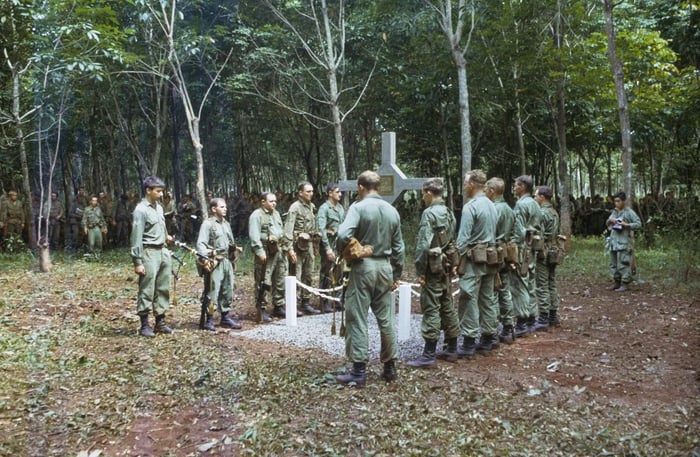
While peacekeeping operations are designed to prevent war rather than fight one, they are often fraught with danger. Peacekeepers operate in unstable environments, often surrounded by active violence, health hazards, and severe human suffering.
Tragically, 17 Australians comprising 12 ADF members and 5 police officers, have lost their lives while serving on peacekeeping operations. Many others have returned home bearing the invisible wounds of psychological trauma resulting from the horrors they witnessed.
Recognising this profound burden, Australia has taken important steps to ensure peacekeepers receive the respect they deserve:
The Roll of Honour: In 2013, the Australian War Memorial expanded the criteria for the Roll of Honour to include Australian military personnel who died during non-warlike and peacekeeping operations.
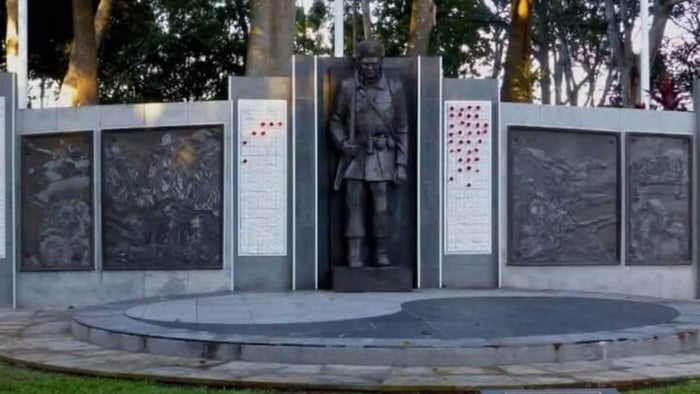
The Australian Peacekeeping Memorial: Dedicated in 2017 on Anzac Parade in Canberra, this impressive national memorial stands as a permanent tribute to the courage and sacrifice of all military, police, and civilian peacekeepers.
How to Mark National Peacekeepers’ Day
On national peacekeepers day, communities across Australia gather at local war memorials, schools, and civic centers to honour our peacekeepers. You can participate in commemorating this important day by:
Attending a local commemorative service or visiting the Australian Peacekeeping Memorial in Canberra.
Pausing for a moment of quiet reflection to acknowledge the 17 Australians who gave their lives in pursuit of global peace.
Learning about Australia’s peacekeeping history via the Department of Veterans’ Affairs Anzac Portal.
Supporting veteran organisations that assist former peacekeepers and their families with transition support and healthcare.
Australia’s peacekeepers have touched millions of lives across the globe, bringing hope where there was once devastation. As we observe national peacekeepers day, we honour their legacy and reaffirm our shared commitment to a safer, more peaceful world.
FAQs
Why is National Peacekeepers’ Day commemorated on 14 September?
On 14 September 1947, four Australian military officers deployed to the Netherlands East Indies (modern-day Indonesia) as part of the United Nations Consular Commission. These four officers were the world’s very first military observers deployed on a united nations peacekeeping operation, marking the official birth of global peacekeeping.
How long has Australia been involved in international peacekeeping operations?
Australia has maintained peacekeepers in the field somewhere in the world every single day since 14 September 1947. Over the decades, more than 65,000 Australian personnel have taken part in more than 50 multi-national missions.
What roles do Australian personnel perform on a peacekeeping mission?
A modern peacekeeping mission involves much more than monitoring ceasefires. Australian personnel contribute across various specialized roles, including:
Humanitarian assistance: Delivering vital aid, food, and medical supplies to devastated communities.
Demining: Clearing unexploded ordnance and landmines to restore safe access to agricultural land.
Civilian policing: Restoring civil order, rebuilding local police forces, and enforcing the rule of law.
Democratic support: Securing ballot boxes and monitoring democratic elections in post-conflict states.
What was Australia’s role in the East Timor peacekeeping operation?
The east timor peacekeeping mission in 1999 was Australia’s largest peacekeeping deployment since World War II. Australia led the International Force East Timor (INTERFET) under a united nations peacekeeping mandate. Commanded by Major General Peter Cosgrove, INTERFET deployed thousands of Australian troops and police to restore peace, disarm militia groups, and help East Timor (Timor-Leste) transition safely to full sovereignty.
Is Australia still active in global peacekeeping today?
Yes. Australia peacekeeping contributions remain active across the globe. Modern ADF personnel serve in ongoing UN and multi-national operations, including Operation Aslan in South Sudan (UNMISS), Operation Paladin in the Middle East (UNTSO), and Operation Mazurka in the Sinai Peninsula (MFO).