


Evolution of Australian Military Uniform Service Dress
Table of Contents
The historical trajectory of any military uniform serves as a fascinating mirror to a nation's broader operational growth, technological advancements, and shifting identity. From the brightly coloured colonial tunics of the 19th century to the high-tech, multi-environment concealment patterns worn by modern Australian service personnel today, the apparel of the Australian Defence Force (ADF) has undergone a profound transformation. Tracing how these garments evolved across the branches reveals a journey driven by climate, tactical necessity, and national independence.
From Colonial Roots to Federation and World Wars
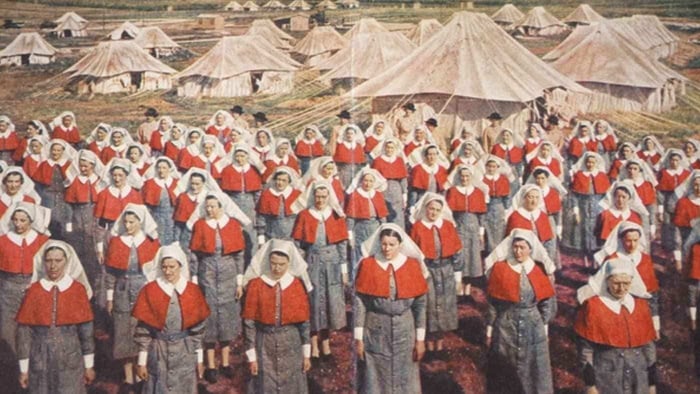
Before Federation in 1901, individual Australian colonies maintained their own local militias and naval forces, resulting in a diverse assortment of traditional British-inspired red and dark blue woollen tunics, heavy shakos, and restrictive high collars. While striking on ceremonial parade grounds, these garments were entirely unsuited to the harsh Australian climate, blistering sun, and demanding physical environments of the bush.
Following the unification of colonial forces under the Defence Act 1903, khaki wool serge and the slouch hat (first worn by the Victorian Mounted Rifles in 1885) became standard across the new Australian Army. The slouch hat quickly became an enduring, defining symbol of the Australian soldier during the deployments of the First Australian Imperial Force (1st AIF) across the Middle East and the Western Front.
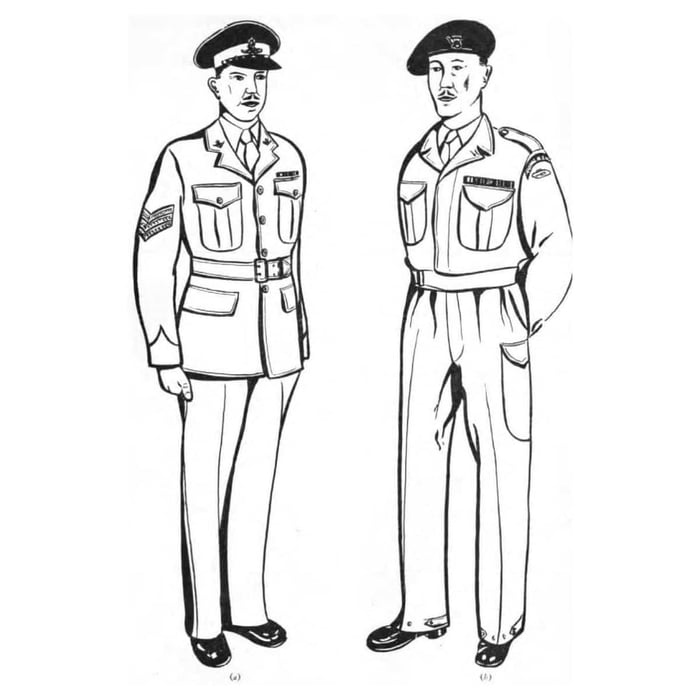
During World War I and World War II, the traditional army uniform shifted rapidly away from ornamental parade aesthetics toward absolute functional utility. Heavy woolen riding breeches gave way to comfortable, durable trousers, tight puttees were replaced by canvas anklets and boots, and khaki uniforms were dyed and then replaced with jungle green for the tropical campaigns across New Guinea and the Pacific. Simultaneously, the maritime and air services began carving out distinct dress identities separate from their British Royal Navy and Royal Air Force forebears.
The Distinct Paths of Navy and Air Force Attire
While the Army adapted its field dress for land warfare across diverse terrain, maritime and air services evolved under their own unique operational requirements dictated by sea and sky.
- The Navy Uniform: Heavily rooted in historic British traditions, the Royal Australian Navy (RAN) maintained traditional "square rig" jumper uniforms for sailors and structured white or blue service dress for officers. Designed for the cramped, corrosive, and complex environment of warships where personnel needed absolute freedom of movement to climb vertical ladders, handle heavy mooring lines, and operate machinery, the navy uniform prioritised durability against salt spray and wear. Into the 21st century, these classic traditions have been balanced with modern operational safety standards, transitioning to modern camouflage working uniforms tailored for contemporary surface fleet security tasks.
- The Air Force Uniform: Following the establishment of the Royal Australian Air Force (RAAF) as an independent service in 1921 and the adoption of its own darker shade of blue, distinct from the RAF's blue-grey, the air force uniform transitioned through various post-war eras. From traditional blue service dress and peaked caps worn during the Cold War to modern, functional multi-environment configurations suited for aerospace engineering, flight operations, and ground logistics roles, RAAF attire has continuously modernised to match technical demands.
Post-War Standardisation and the Search for Identity
The conclusion of the Second World War brought a period of critical re-evaluation across the Australian military. Post-war defense committees recognised that Australian service personnel required clothing engineered specifically for the geopolitical realities of the Asia-Pacific region rather than European temperate zones.
During the 1950s and 1960s, tropical weight fabrics were refined, and cut designs were modernised to improve ergonomic comfort during extended patrols in Malaya, Borneo, and later, Vietnam. The introduction of synthetic blends in the latter half of the 20th century improved durability and wrinkle resistance, reducing the maintenance burden on personnel operating in remote field stations.
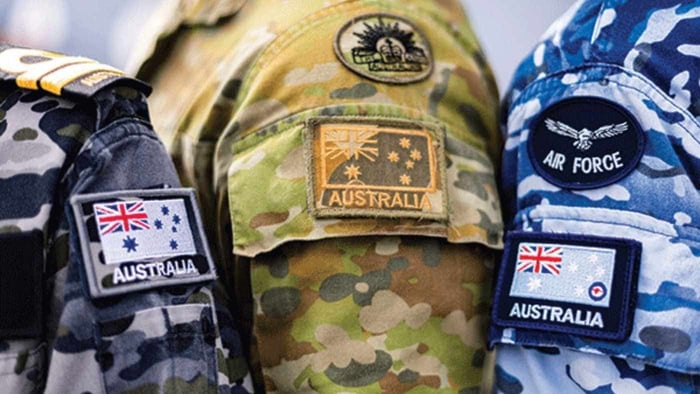
Furthermore, distinctive Australian insignia, badges of rank, and national identifiers were progressively standardised across all three branches. This gradual decoupling from British uniform traditions cemented a distinct, sovereign military identity recognised across the globe.
Modern Camouflage and Technological Integration
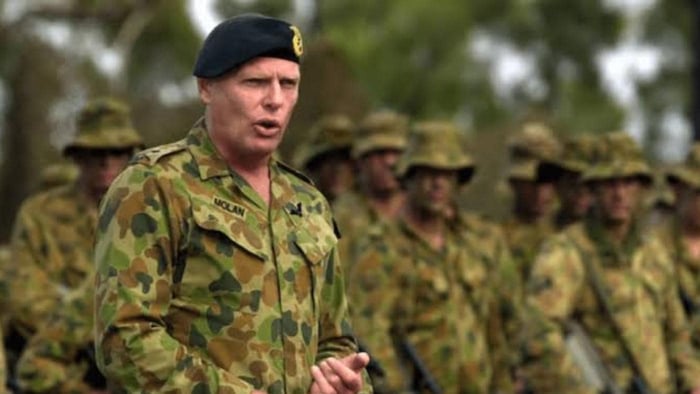
The latter half of the 20th century revolutionised combat clothing through material science and tactical research. In the 1980s, the ADF introduced the Disruptive Pattern Camouflage Uniform (DPCU), famously known as "auscam." This distinctive five-colour camouflage was developed from aerial photographs of Australian terrain designed specifically to blend into native Australian bush, arid scrub, and northern jungle environments.
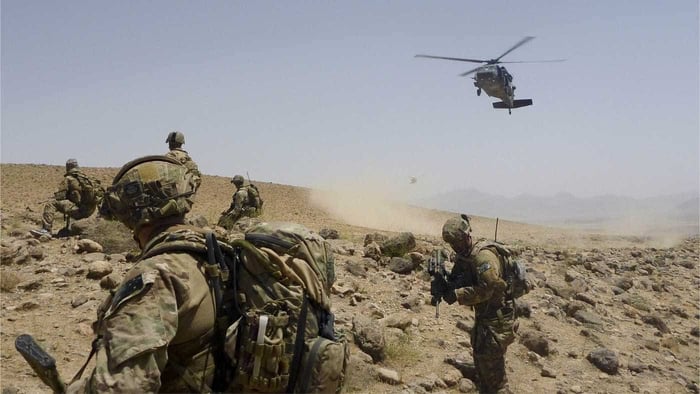
As modern Australian deployments shifted across arid deserts, mountainous terrain, and complex urban landscapes in the 2000s, specialised operational variations emerged. The introduction of the Disruptive Pattern Desert Uniform (DPDU) provided vital concealment in Middle Eastern deployments, eventually paving the way for standard multi-environment Multicam configurations used across the ADF today. Modern tactical dress now incorporates flame-retardant fibers, integrated knee and elbow protection, moisture-wicking properties, and modular load-bearing attachment systems.
FAQs
What is the uniform of the Australian Army?
The Australian Army uniform has evolved from traditional colonial woollen tunics and World War I khaki serge into modern tactical apparel, including the Disruptive Pattern Camouflage Uniform (DPCU) and contemporary multi-environment Multicam configurations designed for operational concealment and safety.
Who makes Australian Army uniforms?
Australian Defence Force uniforms and high-performance tactical fabrics are produced through local industry partnerships, such as Australian Defence Apparel (ADA) and specialized textile manufacturers like Bruck Textiles, operating right here in Australia.
What is a military uniform allowance?
The Australian Defence Force provides eligible service members with regular allowances (such as specific uniform and clothing maintenance payments) to help cover the costs of upkeep, care, and replacement of required service attire.
How did the navy uniform and air force uniform differ from the army's attire?
While the army uniform adapted for land combat across diverse terrains, the Royal Australian Navy uniform prioritised durability against salt spray and freedom of movement on warships, whereas the Royal Australian Air Force uniform evolved distinctive blue-grey colorways and practical configurations tailored for aerospace operations.
Why did the Australian military transition away from British-inspired uniforms?
Early British-inspired red and dark blue woollen tunics, high collars, and heavy shakos were entirely unsuited to the harsh Australian climate, blistering sun, and rough bush environments, prompting a swift shift toward practical khaki service dress and functional field attire.