


ADF’s Multiple Domains Explained
Table of Contents
- Three services work across five domains, not in five separate forces
- The land domain includes combat, coastal operations and support during disasters
- The maritime domain supports security at sea and Australia’s connections with the world
- The air domain includes surveillance, combat and moving people and supplies
- The cyber domain protects and connects the systems Defence relies on
- The space domain supports communications, navigation and awareness
- A 2024 training activity shows several domains working together
- Use the five domains to understand a Defence story, not to label a person’s whole career
- Explore the official explanations and the service stories behind them
- FAQs
You probably recognise the Navy, Army and Air Force. But when you read about the Australian Defence Force (ADF), you may also see references to cyber, space and ADF's multiple domains. Does that mean Australia has five armed services?
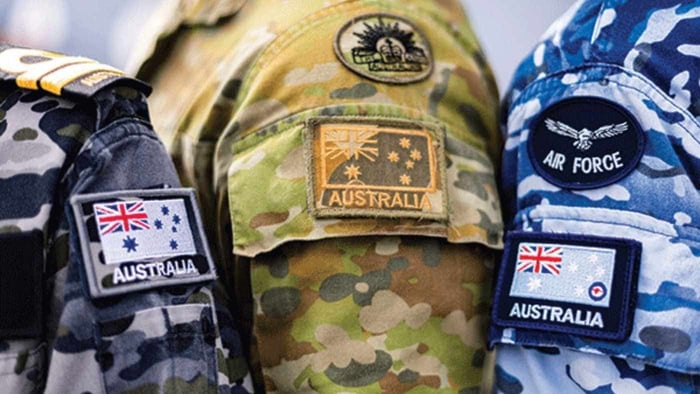
No. The ADF has three services, while Defence identifies five operating domains: land, maritime, air, cyber and space. These are different ways of describing the force. One identifies the service; the other helps explain the environment in which it operates.
Whether you are part of a Defence family, interested in military history or simply following the news, understanding that difference makes the language easier to follow. You do not need a technical background to get started.
Three services work across five domains, not in five separate forces
The three services are the Royal Australian Navy (RAN), Australian Army and Royal Australian Air Force (RAAF). The Australian Defence Force ensign represents these three services through its colours and symbols.
A domain is not another name for a service. For example, Navy operates aircraft as well as ships and submarines, while Air Force describes its work as generating effects across all five domains. Cyber and space should not be read as two additional armed services.
Use the table below as a starting point, rather than a set of rigid boundaries. The connections are just as important as the categories.
| Domain | What it covers in this guide |
| Land | Land operations, including combat and tasks in coastal areas. |
| Maritime | Military activity connected with the sea, including ships and submarines. |
| Air | Air operations, including surveillance, combat and transporting people or cargo. |
| Cyber | Digital networks, information systems and the electromagnetic spectrum. |
| Space | Space capabilities supporting communications, navigation and monitoring. |
The land domain includes combat, coastal operations and support during disasters
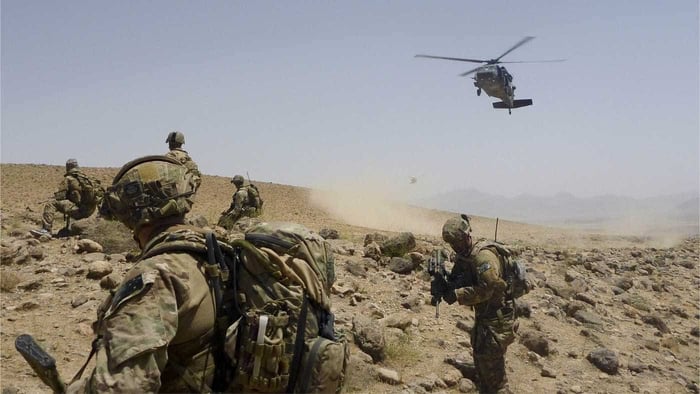
Think of the land domain as the part of the picture concerned with operating on the ground. Army describes its role as the integrated force’s experts in land combat. Its published tasks also include building regional security partnerships, helping maintain stability nearby, and supporting Australian states and territories during crises and disasters.
You may encounter the word ‘littoral’ in Army material. It refers to coastal areas where land and sea meet. Army’s mission includes being ready to fight there, which helps explain why land forces may work closely with ships, landing craft and aircraft.
The useful distinction is between the environment and the task. ‘Land’ tells you where the activity sits within the broader picture; the particular operation tells you what personnel are there to do.
The maritime domain supports security at sea and Australia’s connections with the world
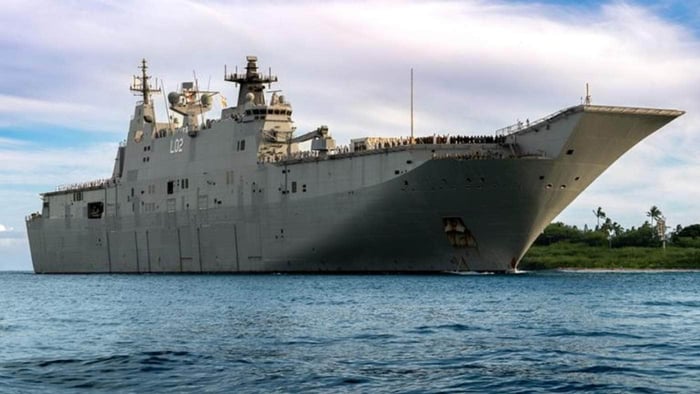
The maritime domain is about more than ships at sea. Navy’s published mission focuses on preparing naval power to support the integrated force in competition and conflict. It provides ships, submarines, aircraft and specialist teams for operational commitments.
Why does that matter beyond Defence? As an island nation, Australia depends on the sea for trade. Navy links good order at sea with the country’s economic wellbeing, environmental welfare and national security.
When you hear ‘maritime’, think about those wider connections, not just a single vessel. A ship may be the most visible part of a story, but it is not the whole maritime picture. Nor is everything connected with the sea carried out by Navy alone.
The air domain includes surveillance, combat and moving people and supplies
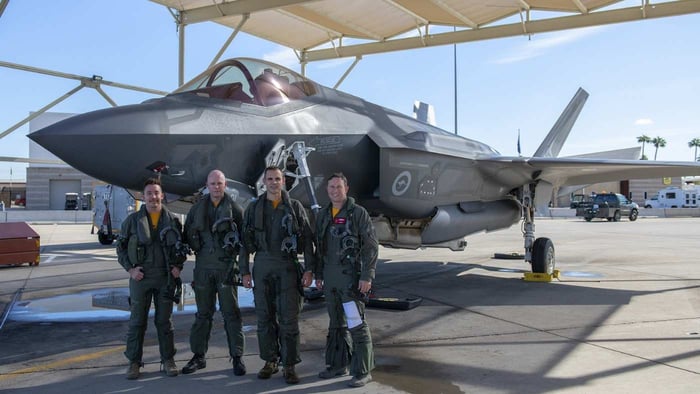
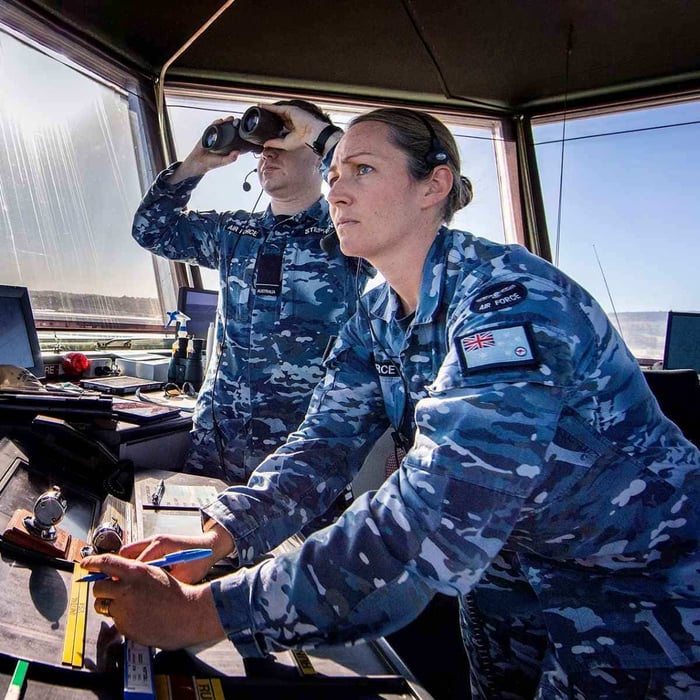
Air power is not only about fighter aircraft. Air Force’s published roles cover control of the air, precision strike, intelligence, surveillance and response, and air mobility. In everyday terms, that includes fighting in the air, striking targets, gathering information and transporting people or cargo. Combat and operational support help make these tasks possible.
Air mobility means moving people, equipment or supplies by air. A useful example is the C-27J Spartan. Air Force says it can operate from unsurfaced airstrips, support humanitarian missions in remote locations, carry cargo and conduct aeromedical evacuation, which means transporting sick or wounded people by aircraft.
This gives you a broader way to read an aviation story. Rather than asking only which aircraft is involved, ask what it is helping the force achieve. It might be gathering information, moving supplies or supporting people who need medical care.
The cyber domain protects and connects the systems Defence relies on
Defence’s cyber domain includes interconnected networks, information systems and the electromagnetic spectrum. That last term includes the radio waves used to carry communications. Cyber therefore reaches beyond websites, email or the familiar image of someone hacking a computer.
Defence explains that this domain supports secure communications, understanding what is happening around a force, logistics and decision-making. Cyber specialists support operations and exercises in Australia and overseas by defending communication and information systems. Defence’s stated capabilities include both defensive and offensive cyber activity.
These connections matter because information has to move between people and systems, and those connections need protection. Cyber activity can matter to a ship at sea, a team on land or an aircraft in flight. It is not confined to one place on a map.
The space domain supports communications, navigation and awareness
Space can sound distant from everyday military service. In practice, Defence relies on space-based capabilities for tasks including weather information, communications, intelligence, surveillance, positioning, navigation and timing. These help the force communicate, understand its surroundings and establish where it is.
Defence also identifies satellite operations, missile warning and space domain awareness among its space mission areas. Space domain awareness involves tracking and understanding objects in space. Some of that work uses equipment on the ground, including radar and telescopes.
So you do not need to picture personnel travelling into orbit to understand the domain. A ground-based specialist monitoring space, or a team relying on satellite communications, can be part of this connected picture. Space capabilities support activity much closer to home.
A 2024 training activity shows several domains working together
A real example makes the connections easier to see. In July 2024, Defence reported on training involving HMAS Adelaide and forces operating ashore. Landing craft carried soldiers and vehicles, while helicopters moved equipment. A simulated mass-casualty event involved returning injured personnel to the ship by landing craft and helicopter.
A space liaison officer was also on board, providing situational reports, space-weather education and knowledge of the space domain. This was a training activity, not an account of a real casualty emergency.
The example brings land, maritime, air and space contributions into one story. Defence’s report described cooperation across all five domains, although it did not set out the cyber activity in detail. That is a useful reminder not to guess at work a public report does not explain.
Use the five domains to understand a Defence story, not to label a person’s whole career
Next time you read about an exercise, deployment or capability, ask three questions: which service is involved, which environments does the task depend on, and what is the task trying to achieve? Those questions are more useful than assuming that a sailor works only at sea or that space has no connection with people on the ground.
Keep the individual story in view, too. Knowing the five domains gives you context, but it does not tell you someone’s posting, duties or personal experience. Let their account and the available records explain those details.
Explore the official explanations and the service stories behind them
For more detail, start with the official Army, Navy and Air Force mission pages and Defence’s cyber and space pages linked in this article. They provide a firmer starting point than assuming a photograph or headline tells the whole story.
At Military Shop, we encourage you to learn about the service behind the symbols. Explore our military gifts and collectables when you are looking for a piece connected with the history or service that matters to you.
FAQs
What is the difference between the ADF's three services and its five operating domains?
The three services represent the armed branches of Australia (the Royal Australian Navy, the Australian Army, and the Royal Australian Air Force). By contrast, the five operating domains, land, maritime, air, cyber, and space, describe the various operational environments in which these services work and generate effects.
Does Australia have five separate armed services?
No, Australia has three armed services (the Navy, Army, and Air Force), while Defence identifies five operating environments or "domains" in which these services operate.
What do the cyber and space domains cover within Defence?
The cyber domain covers interconnected networks, information systems, and the electromagnetic spectrum to support secure communications and decision-making. The space domain covers space-based capabilities, such as weather information, communications, positioning, navigation, timing, and satellite operations, alongside ground-based radar and telescope systems used for space domain awareness.