


Air Mobility in the Royal Australian Air Force
Table of Contents
- Air mobility is one of the RAAF’s key air-power roles
- Airlift moves people and cargo using aircraft suited to the task
- Air-to-air refuelling helps other aircraft stay on task for longer
- Aeromedical evacuation combines patient transport with care in flight
- Airdrops deliver supplies without the aircraft landing
- Tonga’s 2022 relief response shows why ground access matters
- Air movements teams prepare passengers and cargo before take-off
- Understanding air mobility helps you recognise the people behind the mission
- FAQs
A transport aircraft arrives with emergency supplies. A tanker passes fuel to another aircraft in flight. A medical team accompanies patients on their journey to further care. These are different tasks, but all sit within the Royal Australian Air Force’s air mobility role. The simplest way to understand air mobility is this: it helps get people and supplies where they are needed, and helps other aircraft keep flying. Airlift is part of that job, but it is not the whole job. For service families, aviation enthusiasts and anyone following a Defence news story, understanding the difference makes the purpose behind a flight much clearer.
Air mobility is one of the RAAF’s key air-power roles
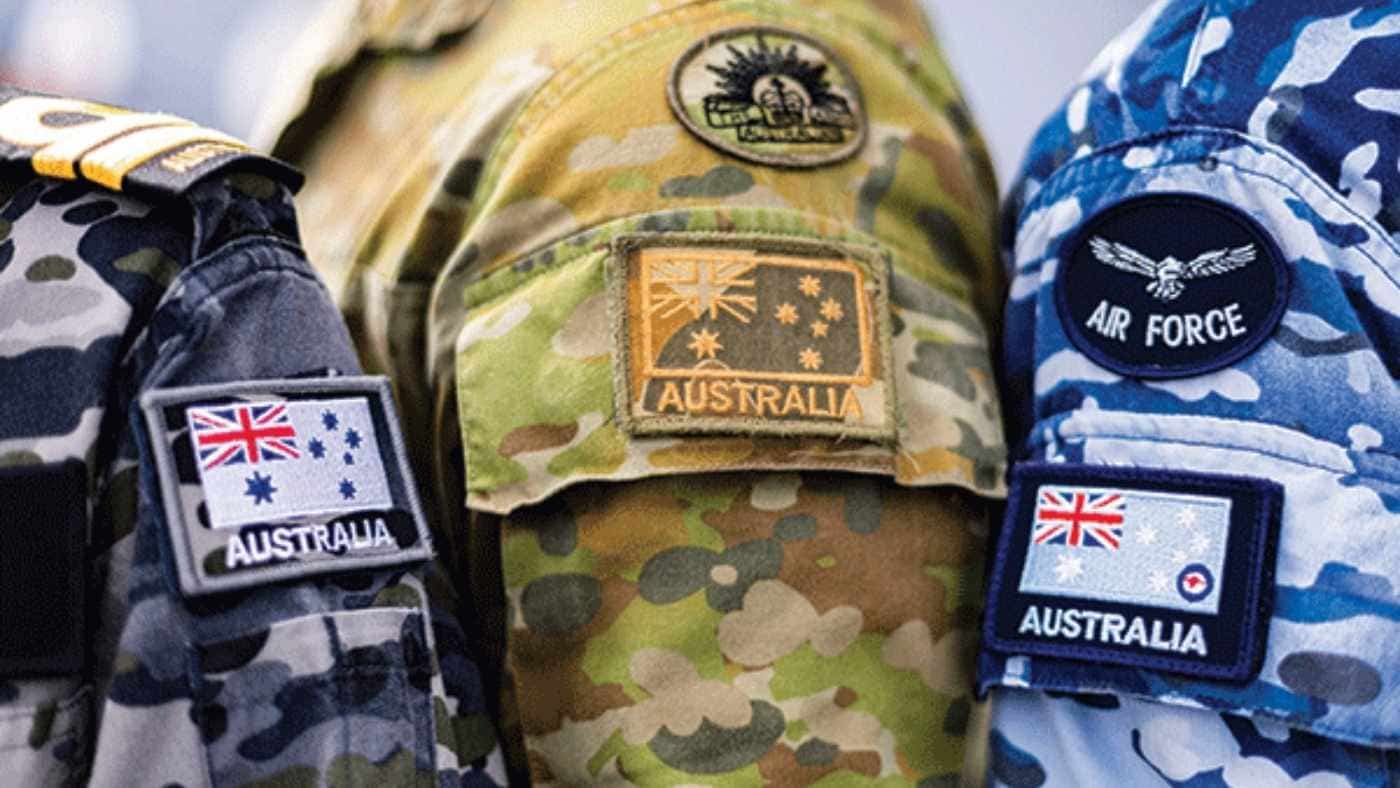
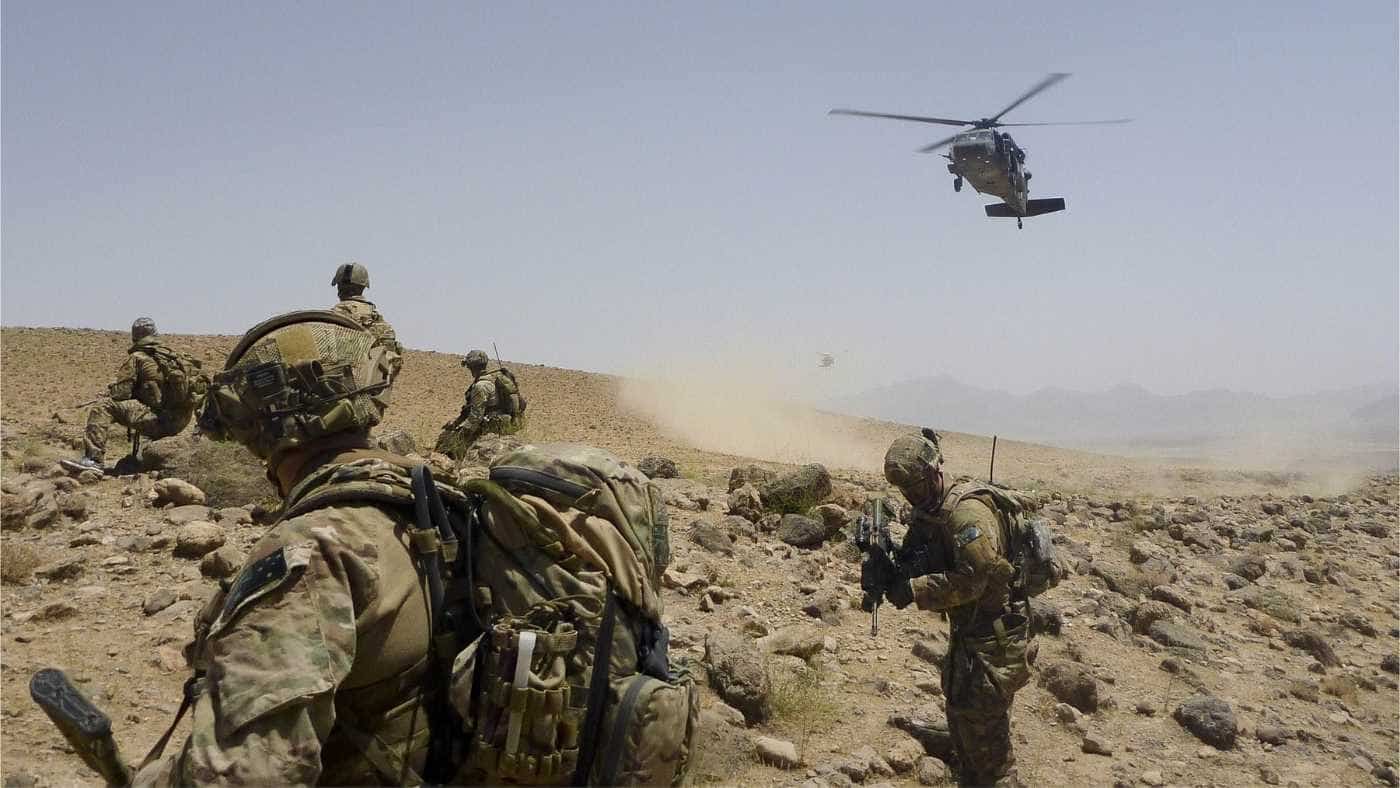
The Royal australian Air Force, or RAAF, identifies air mobility alongside control of the air, precision strike, and intelligence, surveillance and response. Its mission statement explains that these roles are enabled by combat and operational support. Air Mobility Group provides the Australian Defence Force’s combat air mobility capability. Its responsibilities include moving people and supplies, air-to-air refuelling, search and survivor assistance, and aeromedical evacuation. The group also supports training and other specialised tasks. That list covers military tasks as well as activities you may see during a humanitarian response. Air mobility is not another name for disaster relief, and the purpose of a particular flight depends on the mission.
Airlift moves people and cargo using aircraft suited to the task
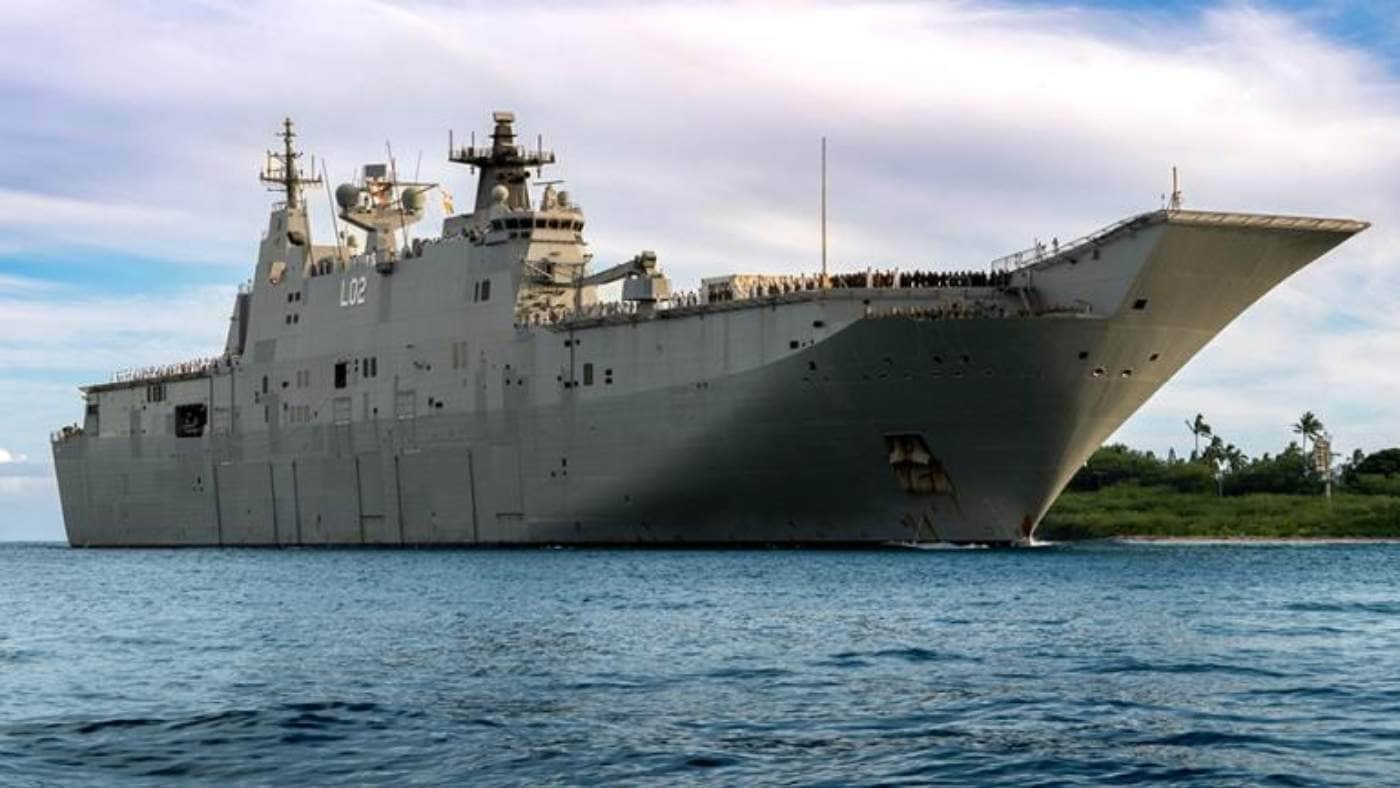
Airlift is the transport part of air mobility. It can involve moving service personnel, relief supplies, vehicles or other equipment. The RAAF’s aircraft have different transport capabilities, so an airlift story is about what needs to move, not simply how large the machine looks. The C-17A Globemaster III is a heavy transport aircraft. Air Force describes its role in moving troops, supplies, vehicles, heavy equipment and helicopters. It supports Defence deployments as well as disaster relief and humanitarian missions. The C-130J-30 Hercules is a medium-sized transport aircraft. Its published capabilities include delivering cargo to airfields with short, unsurfaced runways, carrying personnel and aid, and dropping cargo by parachute. The KC-30A Multi-Role Tanker Transport has a transport role too. Alongside refuelling other aircraft, it can carry passengers and cargo over long distances. The word ‘tanker’ does not describe everything it does. These are examples, not a complete fleet list. You do not need to memorise their specifications. Remember the distinction between carrying a bulky load, delivering personnel and supplies, and combining transport with a refuelling role.
Air-to-air refuelling helps other aircraft stay on task for longer
Air-to-air refuelling means transferring fuel from a tanker to another aircraft while both are flying. This helps the receiving aircraft remain on task for longer without landing to take on that fuel.
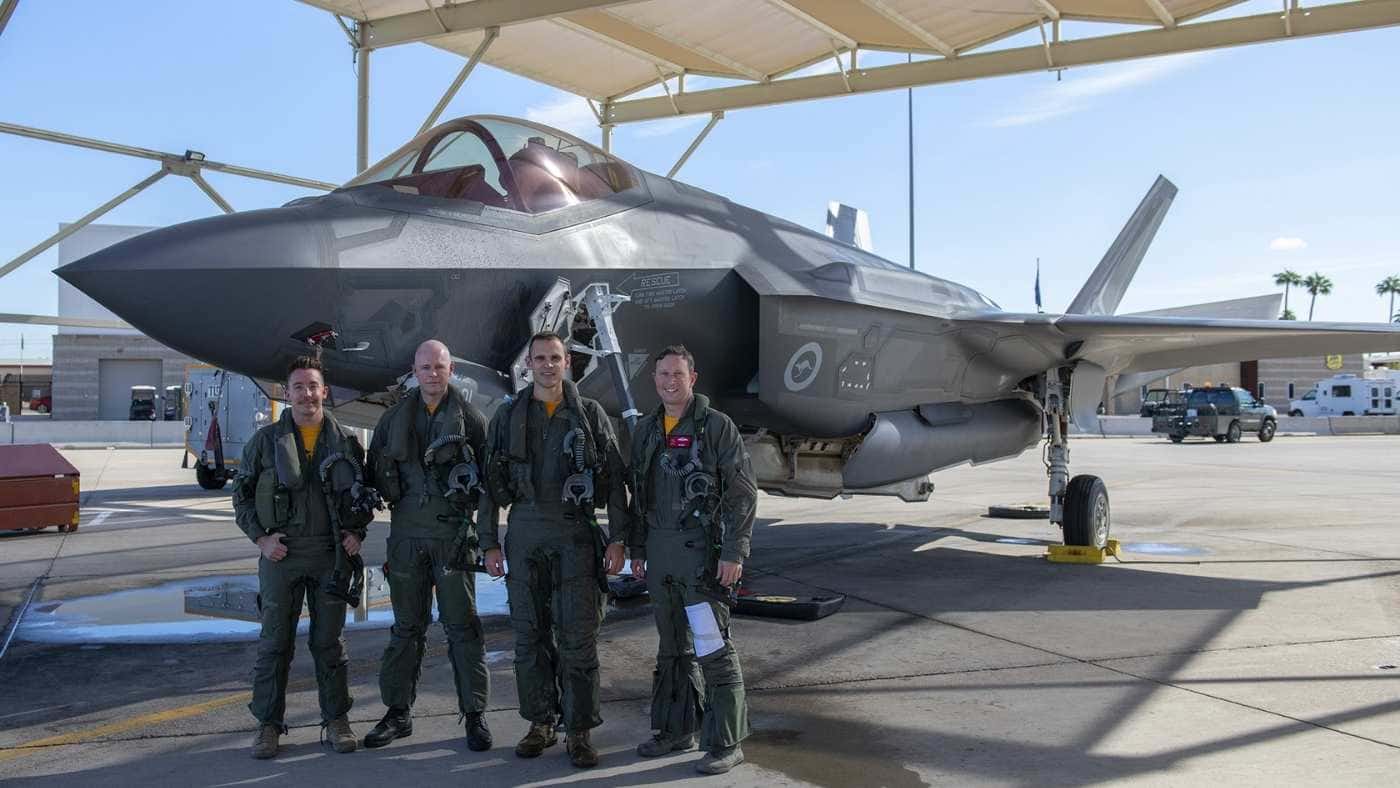
The RAAF’s KC-30A has refuelling equipment on its tail and beneath its wings. It can supply compatible aircraft, including certain combat, surveillance and transport aircraft. Compatibility matters: this does not mean that any tanker can refuel any aircraft.
That is the useful distinction from airlift. One task carries people or cargo; the other supports an aircraft already in flight. A KC-30A can contribute through both roles.
Aeromedical evacuation combines patient transport with care in flight
Aeromedical evacuation, often shortened to AME, is the movement of patients by air with medical support. Air Force explains that transport aircraft, including the C-17A and C-130J, can be configured for this work.
The aircraft is one part of that capability. A suitable medical setup and the people caring for patients are also essential. The C-17A, for example, has integrated oxygen and electrical connections that support its medical role.
It is helpful to distinguish this from evacuating passengers after a disaster. An evacuation flight may transport people away from danger without being an aeromedical mission. Look for whether the report describes patients, medical teams or care during the journey, rather than assuming every evacuation is the same.
Airdrops deliver supplies without the aircraft landing
Some transport missions deliver cargo by parachute instead of unloading it after landing. The Hercules is one RAAF aircraft with this capability. An airdrop is a delivery method within airlift. Operation Christmas Drop provides a documented humanitarian example. In December 2024, a RAAF Hercules delivered donated supplies over Palau as part of the US-led operation, working alongside partner nations. The report also describes the careful planning needed for unfamiliar drop locations and the work of loadmasters and crews. An airdrop is therefore not simply a matter of opening a cargo ramp. It is a planned activity with a specific delivery area and purpose.
Tonga’s 2022 relief response shows why ground access matters
On 20 January 2022, a RAAF C-17A arrived in Tonga carrying emergency supplies after the volcanic eruption and tsunami on 15 January. Australia provided the assistance in response to a request from the Tongan Government.
The supplies included shelter materials, hygiene items, water containers and communications equipment. Equipment to support airport operations was also carried. This was a practical use of airlift: moving urgently needed items to a country responding to a disaster.
But having a transport aircraft was not enough on its own. Tongan personnel worked for days to clear volcanic ash from the runway at Fua’amotu International Airport. Defence reported that deliveries began as soon as the runway was declared open.
The example helps explain an important limit. Air mobility can move assistance quickly, but it still depends on the conditions and support needed to complete the flight safely. Local work on the ground was crucial to making this delivery possible.
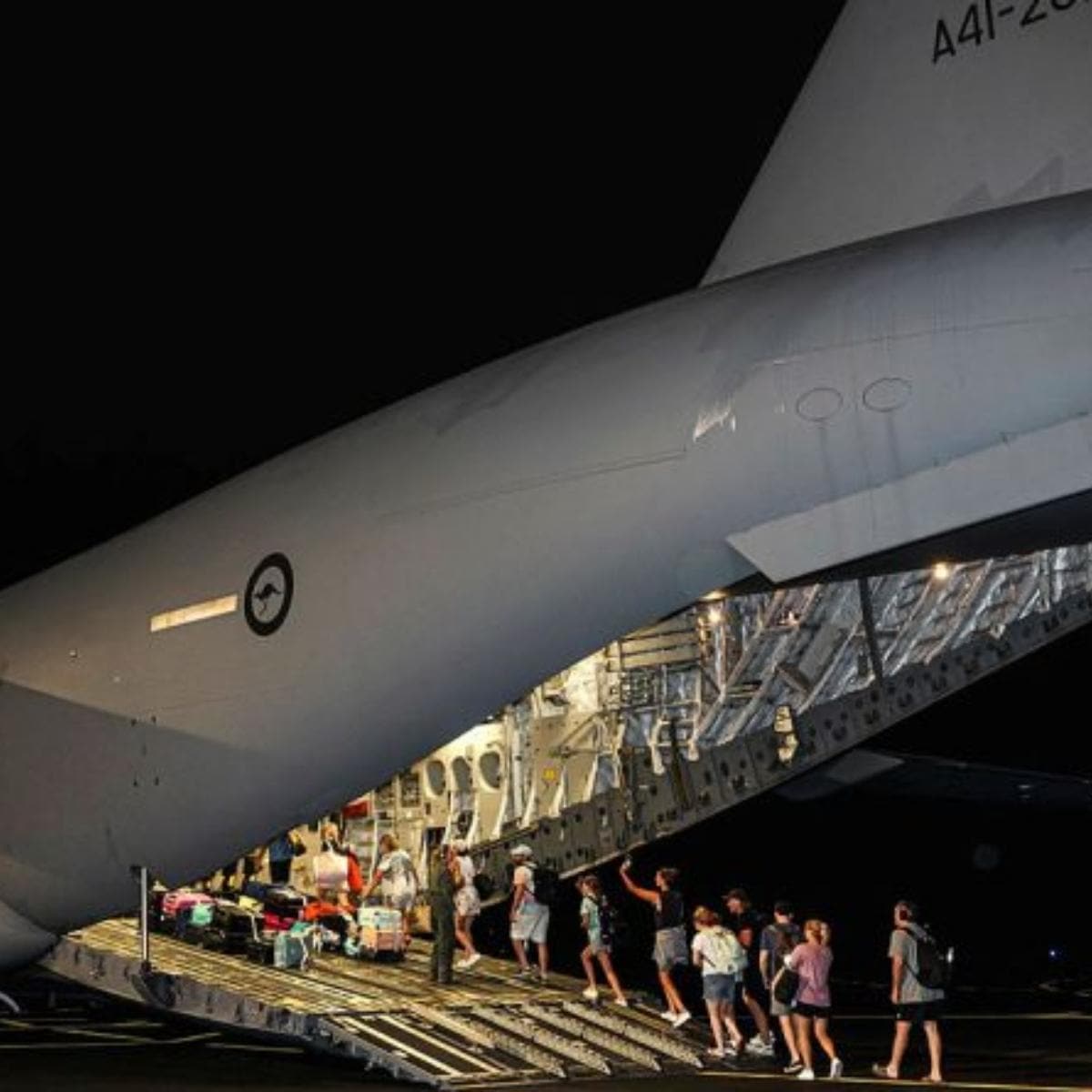
Image credits: https://contactairlandandsea.com/2024/12/20/adf-supports-vanuatu-earthquake-response/
Air movements teams prepare passengers and cargo before take-off
Much of the work happens before take-off. Air movements teams help prepare passengers and cargo for transport. Their responsibilities can include passenger check-in, documenting equipment, and preparing loads to meet aircraft loading and balance requirements.
During the response to Vanuatu’s December 2024 earthquake, the Air Force’s 23 Squadron team helped document and load disaster response personnel and equipment. C-17A and C-130J flights carried relief supplies and personnel and brought Australian citizens and permanent residents home.
Defence described those flights as an ‘air bridge’: a continuing transport connection provided by repeated flights. The report shows why understanding air mobility means recognising the ground teams as well as the crews you see flying.
Understanding air mobility helps you recognise the people behind the mission
The RAAF air mobility role brings several connected tasks together. Airlift carries people and cargo. Aerial refuelling supports other aircraft in flight. Aeromedical evacuation transports patients with care, while airdrops offer another way to deliver supplies. These tasks are related, but they are not interchangeable. For further information, visit the RAAF’s Air Mobility Group page and its official aircraft pages. They explain the published roles without requiring you to rely on an aircraft photograph or a headline alone. At Military Shop, we encourage you to learn about the service behind the symbols. Explore our military collectables and gifts when you are looking for a piece connected with the people, aircraft or service history that matters to you.
FAQs
What does the air mobility role in the Royal Australian Air Force cover?
The air mobility role encompasses getting people and supplies where they are needed and helping other aircraft keep flying. Its core capabilities include moving people and supplies via airlift, air-to-air refuelling, search and survivor assistance, and aeromedical evacuation.
What is the difference between airlift and air-to-air refuelling?
Airlift involves transporting people, equipment, or cargo (such as service personnel, relief supplies, or vehicles) using suitable aircraft. In contrast, air-to-air refuelling transfers fuel from a tanker aircraft to another aircraft while both are in flight, allowing the receiving aircraft to stay on task longer without landing.
What is aeromedical evacuation?
Aeromedical evacuation (AME) is the movement of patients by air with medical support. It requires transport aircraft configured with specialised setups, such as integrated oxygen and electrical connections, alongside medical teams to care for patients during the flight.
How do airdrops work as part of RAAF operations?
An airdrop is a delivery method within airlift where cargo is delivered by parachute instead of being unloaded after the aircraft lands. It requires careful planning for unfamiliar drop locations and involves the specialized work of loadmasters and aircrews.
What role do air movements teams play before a flight takes off?
Air movements teams handle much of the pre-flight work, which includes passenger check-in, documenting equipment, and preparing loads to meet strict aircraft loading and balance requirements.