


Understanding Australian Maritime Systems
Table of Contents
- Sea power is the wider picture; naval power is the military part
- Shipping routes connect Australia with overseas markets and coastal communities
- Ports, shore facilities and skilled people make maritime activity possible
- Naval forces have military, law-enforcement and diplomatic roles
- Civilian agencies share responsibility for safe and lawful seas
- Undersea cables connect the maritime system with your digital life
- The 2023 Vanuatu response shows how different capabilities work together
- Three questions help you understand the maritime story behind a headline
- Understanding sea power helps you recognise the service behind the ships
- FAQs
When you hear “sea power”, you might picture a warship leaving harbour. That is part of the story, but it is not the whole picture. Australian maritime systems encompass far more than just military vessels; Navy’s own explanation also includes commercial ships, fishing and research fleets, shore facilities and maritime industry.
Why does that matter to you? Australia relies on shipping to trade with other countries and move freight around its coast. The ports and transport links that keep those goods moving connect life at sea with life on land.
Understanding the difference between sea power and naval power helps you see those connections. Here is a way to make sense of the terms without needing a background in Defence.
Sea power is the wider picture; naval power is the military part
In its broad sense, sea power describes a country’s ability to use the sea to support its interests. That includes military capability, but also commerce, maritime resources and the industries that make activity at sea possible.
Naval power focuses on the military side. For Australia, Navy contributes ships, submarines, aircraft and specialist teams to operational commitments. Its published mission is to prepare naval power to enable the integrated force, meaning Defence’s capabilities working together, in competition and conflict.
The terms are not used identically in every publication. Navy’s 2022 guide discusses the broader meaning of sea power, then uses the term more narrowly for its military discussion. This article uses the broader meaning.
The distinction does not turn every civilian ship into a naval vessel. It helps explain how different activities contribute to the same national picture.
Shipping routes connect Australia with overseas markets and coastal communities
Shipping serves two related purposes: carrying international trade and moving domestic freight along the coast. Ports are the places where those journeys connect with the wider supply chain, including transport on land.
You may see the phrase “sea lines of communication” in naval writing. In this context, it means the sea routes used to move trade and supplies, not just radio messages or internet connections. Keeping those routes available is an important Royal Australian Navy concern.
Consider a hypothetical delivery of imported machinery. Its sea journey is only one stage. It still needs to be unloaded and moved to its destination. This example illustrates why a discussion about shipping cannot stop at the vessel itself. The connections at either end matter too.
Ports, shore facilities and skilled people make maritime activity possible
A ship is a highly visible part of a much larger system. Navy’s broad explanation of sea power includes shore installations and maritime industry. The Australian Government’s ports guidance similarly stresses the importance of links on both the land and sea sides.
This is why counting ships alone gives you an incomplete picture. Ask how they are supported, how goods move through a port, and who keeps the work going. Maritime capability depends on those connections, not only on what is afloat.
Naval forces have military, law-enforcement and diplomatic roles
Navy’s 2022 guide describes three broad roles: military, constabulary and diplomatic. “Constabulary” is the less familiar word; it refers to law-enforcement work. The guide’s maritime-task diagram includes activities ranging from combat to resource protection, partner support and disaster relief.
The military role concerns defence and the ability to use armed force. The constabulary role supports lawful activity at sea. The diplomatic role helps a country work with others and maintain relationships. These describe tasks, not three separate fleets.
For you as a reader, the useful question is not simply “Which ship is involved?” It is also “What is the ship there to achieve?” A relief mission and a combat operation can involve naval assets without being the same kind of task.
Civilian agencies share responsibility for safe and lawful seas
Navy is not responsible for every part of Australia’s maritime system. The Australian Maritime Safety Authority, or AMSA, is the national agency responsible for maritime safety, protecting the marine environment, and maritime and aviation search and rescue.
Maritime Border Command has a different focus: coordinating and carrying out civil maritime security operations to deter, detect and respond to illegal activity. It brings together Australian Border Force and Australian Defence Force personnel and assets. Its published responsibilities include responding to illegal fishing and prohibited imports and exports.
These examples help separate safety, law enforcement and military capability. They are connected, but not interchangeable. Knowing which organisation is involved makes a maritime news story much easier to follow.
Undersea cables connect the maritime system with your digital life
The sea carries information as well as cargo. The Australian Communications and Media Authority, or ACMA, explains that damage to submarine cables can stop the flow of voice and data information to and from Australia. It has established protection zones for some cables and restricts or bans certain activities within them.
Here, “submarine cable” means an undersea communications cable, not a cable belonging to a RAN submarine. This is another reason to look beyond warships when thinking about the sea: civilian communications infrastructure belongs in that wider picture too.
The 2023 Vanuatu response shows how different capabilities work together
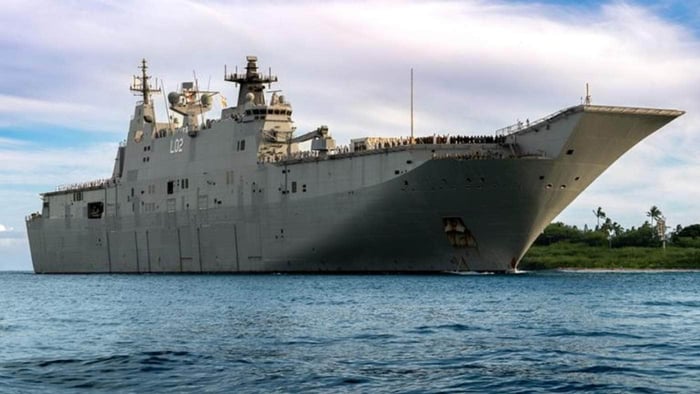
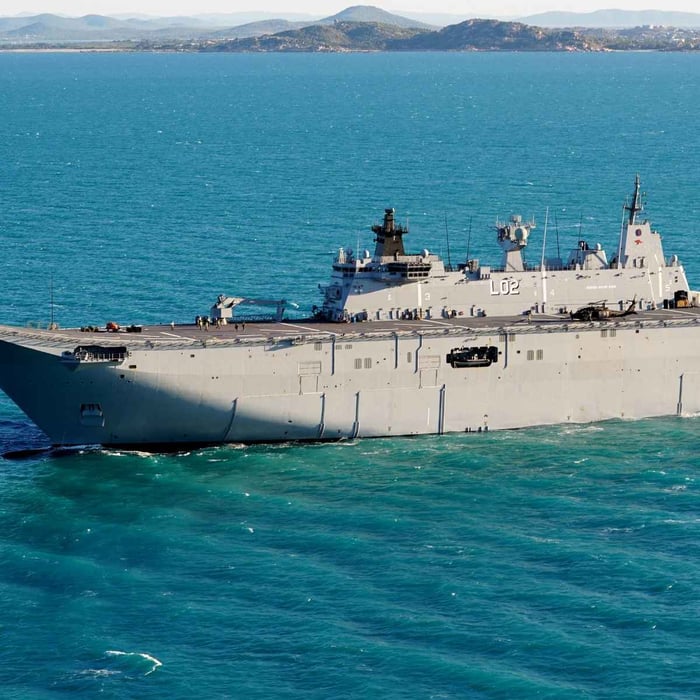
A documented example is Australia’s response to Tropical Cyclones Judy and Kevin in Vanuatu in March 2023. At the Vanuatu Government’s request, Australia sent assessment personnel and emergency supplies. Air Force aircraft arrived first, followed by HMAS Canberra with further stores and personnel.
Canberra brought landing craft and embarked Army helicopters that could connect the ship with locations ashore. Engineers and other personnel also supported the response. The ship was important, but so were the people, equipment and arrangements that helped assistance reach communities.
According to Defence’s April 2023 report, the combined effort across Operation Vanuatu Assist delivered more than 100 tonnes of humanitarian aid. Navy, Army and Air Force personnel worked alongside Ni-Vanuatu authorities, with support including emergency medical evacuations and repairs to local infrastructure.
This is one practical example of naval capability contributing to a wider government effort. It does not define all sea power as disaster relief.
Three questions help you understand the maritime story behind a headline
Next time you read about a naval deployment, a port or a shipping route, try asking three questions.
- What is the purpose? Is the activity about defence, trade, safety, law enforcement, communication or assistance?
- Who is involved? Look beyond the ship to the service personnel, civilian agencies, commercial operators or local partners identified in the report.
- What connections make it possible? Think about the route, facilities, transport and people needed to turn a capability into a useful result.
You do not need to memorise every organisation or type of vessel. Start with the purpose and follow the connections.
Understanding sea power helps you recognise the service behind the ships
Sea power is more than a fleet list. Seen broadly, it connects naval capability with trade, industry and the civilian systems that support Australia’s use of the sea. Naval power remains a vital military part of that picture, not a substitute for the whole.
For further reading, explore Navy’s Mission and values page and its 2022 publication, Why Australia has a Navy. Both help explain why the maritime story matters beyond the waterfront.
At Military Shop, we encourage you to explore the service behind the symbols. Browse our military collectables and gifts when you are looking for a piece connected with the naval history or service that matters to you.
FAQs
What is the difference between sea power and naval power?
Sea power is a broad concept describing a country's overall ability to use the sea to support its interests, including military capability, commerce, maritime resources, and supporting industries. Naval power focuses more narrowly on the military side of things, involving Navy-contributed ships, submarines, aircraft, and specialist teams.
What roles do naval forces play according to Navy's guide?
Navy's 2022 guide outlines three broad roles for naval forces: military (concerning defence and armed force), constabulary (supporting lawful activity and law enforcement at sea), and diplomatic (helping maintain relationships and work with other countries).
Why are undersea cables important to Australia's maritime system?
Undersea (submarine) cables carry essential voice and data information to and from Australia. Because damage to these cables can disrupt communications, the Australian Communications and Media Authority (ACMA) has established protection zones and placed restrictions on certain activities around them.
What company is AMSA in Australia?
AMSA is not a private company; it is the national agency responsible for maritime safety, protecting the marine environment, and conducting maritime and aviation search and rescue in Australia.
What does AMSA stand for?
AMSA stands for the Australian Maritime Safety Authority.