Our Blog
Precision Strike as a Public Air-Power Role: Purpose, Limits and Terminology
Table of Contents
- Precision Strike Is About a Deliberate Military Effect, Not Simply Hitting a Point
- Precision Strike Is One RAAF Role Within a Larger Integrated Force
- A Precision-Strike Capability Depends on More Than the Weapon
- Long-Range Strike Is a Current Part of Australia's Air-Power Development
- Precision Strike Is Different from 'Precision Strike Missile'
- Precision Does Not Remove the Need for Rules, Judgement and Authorisation
- Training Exercises Build the Integration Needed for Air-Combat Roles
- Precision Strike Supports Deterrence as Well as Combat Capability
- The Simplest Way to Read the RAAF's Precision-Strike Role
- Sources
- FAQs
In plain English: precision strike is the RAAF's ability to apply a carefully directed military effect at a chosen objective as part of an authorised operation. It is an air-power role, not the name of one aircraft, one weapon or one type of mission.
The Royal Australian Air Force lists precision strike as one of its four key air-power roles, alongside control of the air, intelligence, surveillance and response, and air mobility. [1]
For readers outside Defence, the word “strike” can make the role sound simple: an aircraft attacks a target. In reality, the public concept is broader. It includes the intended military effect, the information and command systems that support a decision, the platform that delivers the effect, the people who plan and authorise it, and the other parts of the integrated force that may contribute.
Precision Strike Is About a Deliberate Military Effect, Not Simply Hitting a Point
Current public Defence concepts describe air-domain strike as contributing swift, decisive and precise effects. Concept ASPECT also notes that these effects can be lethal or non-lethal and can be delivered by the air domain alone or as part of a multi-domain strike. [3]
That wording matters. Precision is not useful merely because something can be guided accurately. The military purpose is to achieve a defined effect in support of an authorised objective. The public concept therefore sits within planning, command and control, intelligence, legal authority and the wider campaign rather than being treated as a stand-alone technical act.
Precision Strike Is One RAAF Role Within a Larger Integrated Force
Air Force does not describe precision strike as an independent activity separated from the rest of Defence. Its mission statement says the RAAF generates air effects across the sea, land, air, space and cyber domains, while Air Combat Group exists to enable control of the air and conduct precision air strikes. [1] [2]
| Public term | Plain-English meaning | What not to assume |
| Precision strike | A carefully directed military effect against an authorised objective. | It is not one specific weapon or aircraft. |
| Maritime strike from the air | Air power contributing to strike effects against maritime objectives. | It is not identical to every naval or maritime mission. |
| Electronic attack from the air | Airborne electronic effects used as part of air-combat activity. | It does not necessarily mean a physical weapon is released. |
| Long-range strike | Strike capability designed to create effects from greater distance. | Range alone does not define whether an effect is appropriate or authorised. |
A Precision-Strike Capability Depends on More Than the Weapon
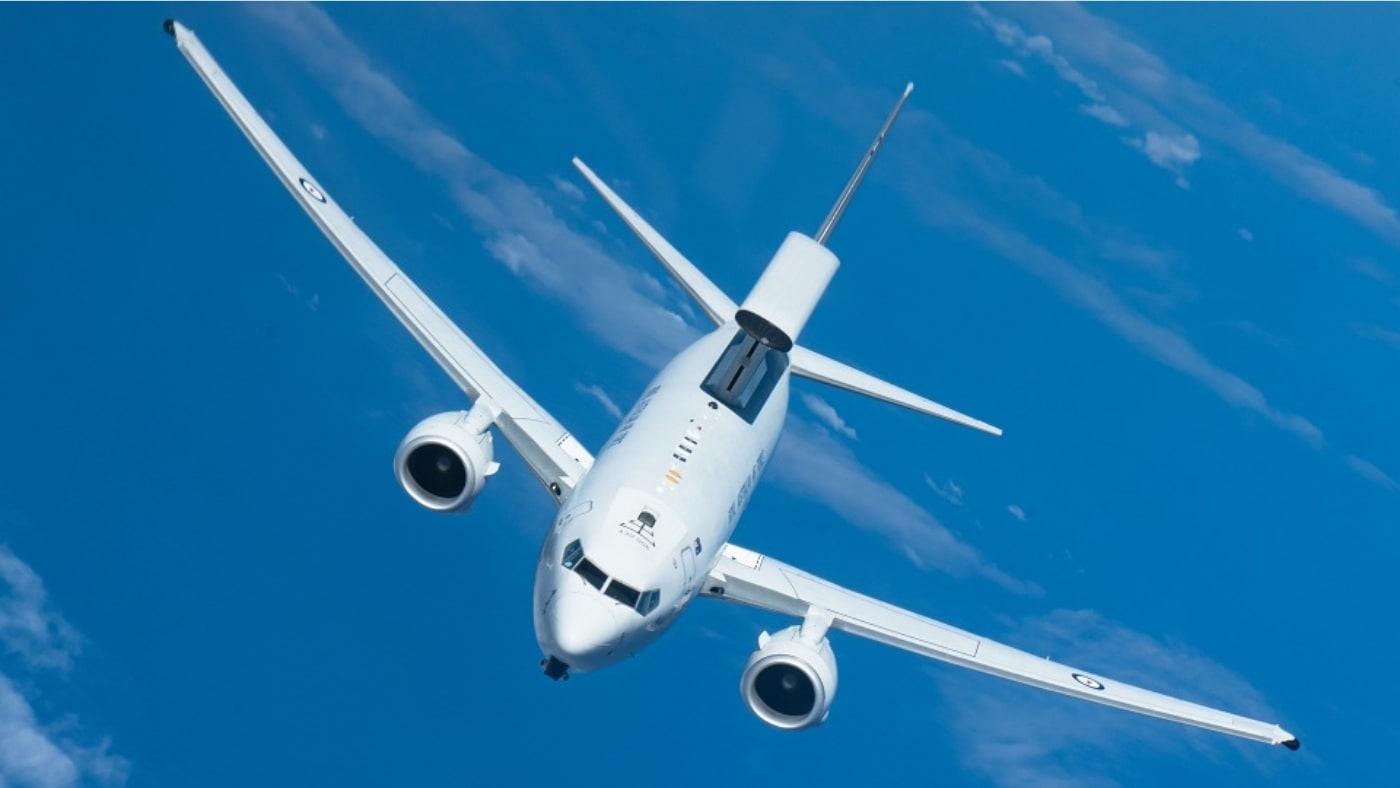
Modern strike depends on a chain of supporting capabilities. Public Defence material repeatedly emphasises integration: sensors, intelligence, command and control, communications, air mobility, electronic warfare, maintenance, logistics and partner forces can all contribute to a mission. [3] [6]
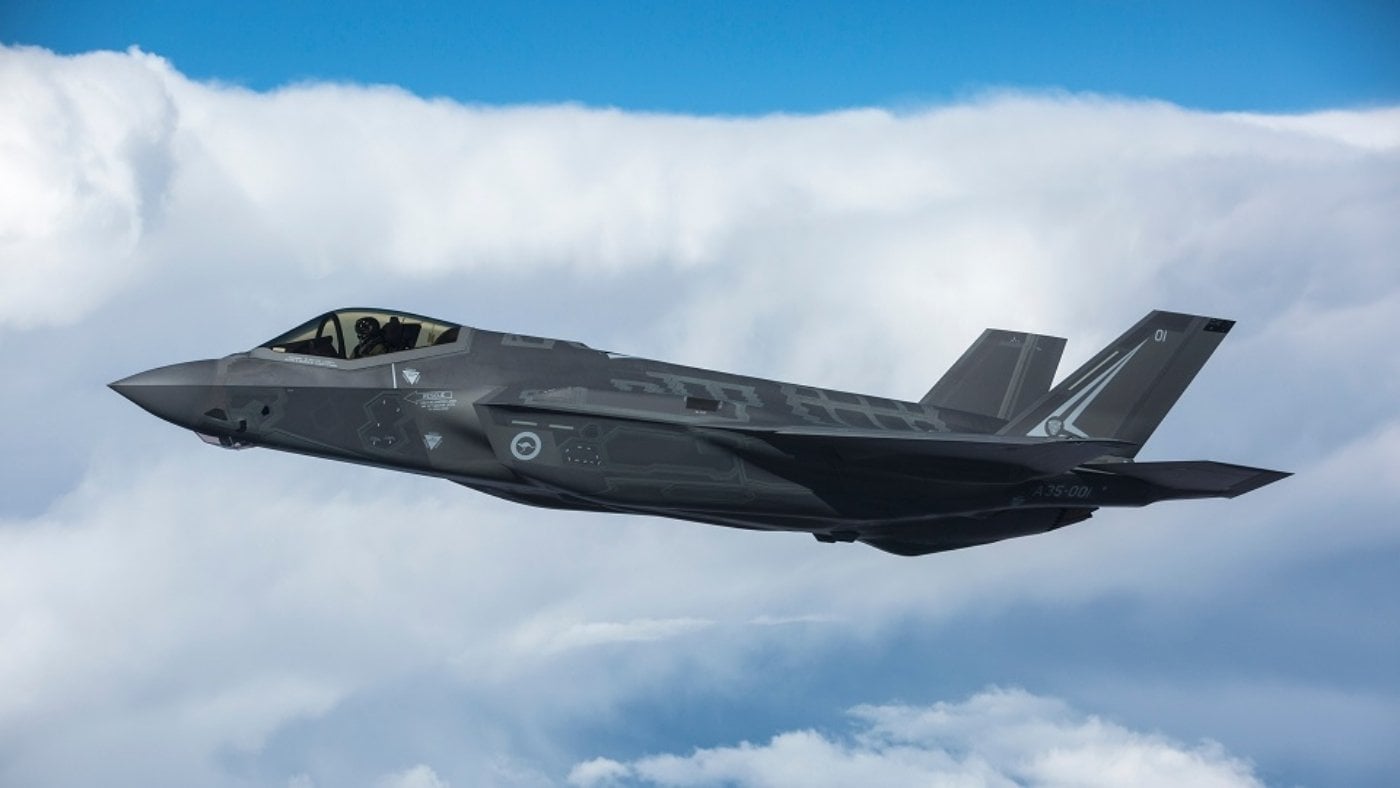
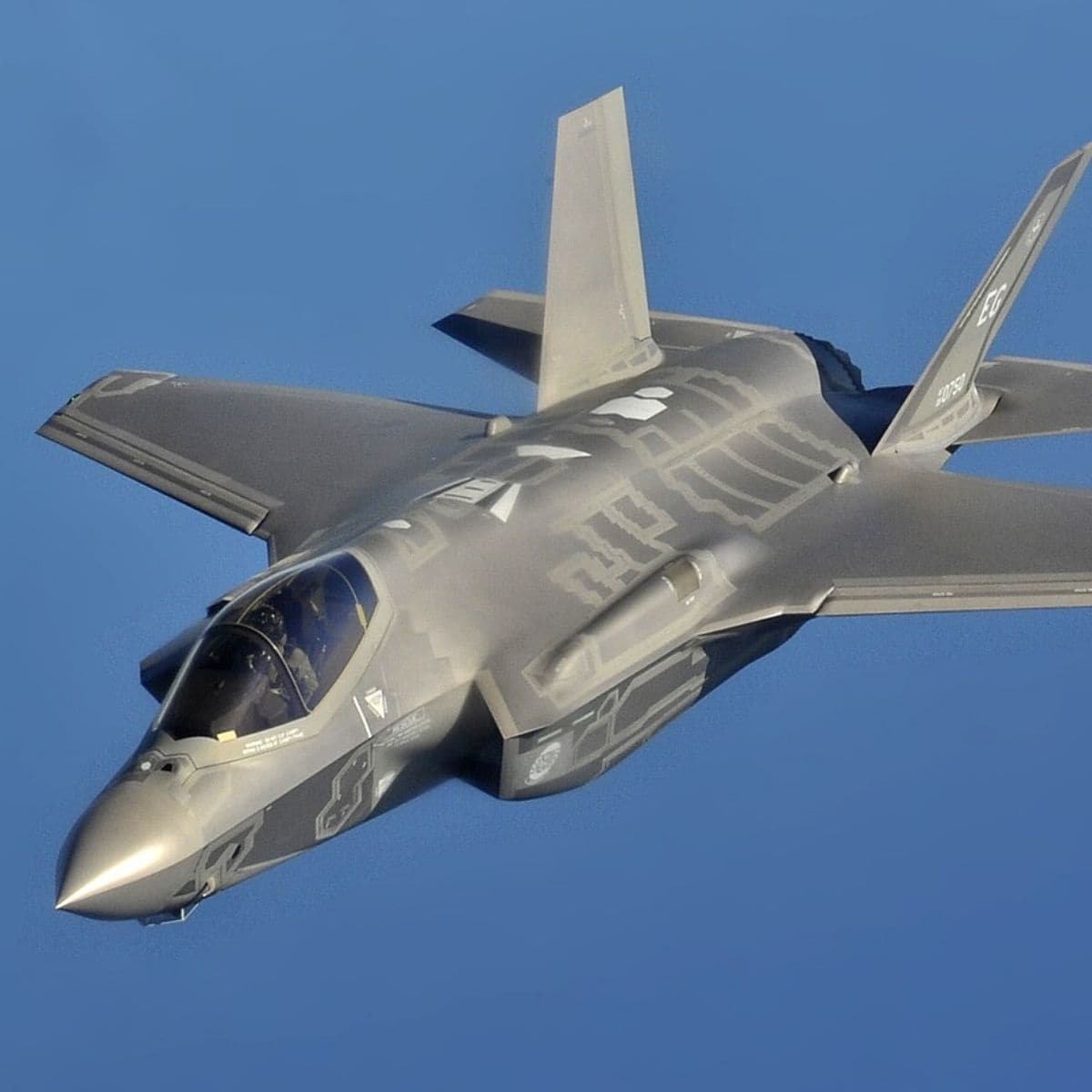
This helps explain why the RAAF's air-combat aircraft are described as multi-role rather than as single-purpose strike platforms. The F-35A, for example, combines advanced sensors, networking and the ability to employ a range of air-to-air and air-to-surface weapons. Its published role is broader than precision strike alone. [7]
Long-Range Strike Is a Current Part of Australia's Air-Power Development
In September 2026, Defence announced continued development of Air Force's long-range air-launched strike capability. The public release described operational testing involving the F/A-18F Super Hornet, the P-8A Poseidon and new long-range air-launched weapons. Defence linked the expansion to deterrence through denial and the wider Integrated Force. [4]
For a public reader, the important takeaway is not the technical employment of a particular weapon. It is that Australia is investing in options that allow Defence to create credible effects at greater distance, while still depending on integration, testing, trained personnel and authorised decision-making.
Precision Strike Is Different from 'Precision Strike Missile'
The wording can also cause confusion because “Precision Strike Missile” is the name of a specific Army weapon system. RAAF precision strike is a broader air-power role. The two phrases should not be treated as synonyms.
Likewise, a precision-guided weapon is a type of weapon technology, while precision strike describes the military role or effect being pursued. A reader should therefore look at the context whenever the word “precision” appears.
Precision Does Not Remove the Need for Rules, Judgement and Authorisation
A more accurate weapon does not remove the wider responsibilities that apply to military operations. Strike activity still sits within command arrangements, legal obligations, rules of engagement, intelligence assessments and decisions about whether force is authorised and appropriate.
This is one reason public explanations should avoid presenting precision strike as a purely technical question. The aircraft and weapons matter, but so do the people who assess information, make decisions, maintain systems and coordinate effects with the rest of the force.
Training Exercises Build the Integration Needed for Air-Combat Roles
The RAAF develops these skills through complex exercises rather than treating precision strike as an isolated task. Exercise Diamond Storm 2026 included offensive counter air, electronic attack, airborne operations, air-to-air refuelling, intelligence, surveillance and reconnaissance, offensive air support and air battle management. [6]
Exercise Pitch Black 2026 similarly brought together more than 2,500 personnel and 100 aircraft from 21 participating nations for high-intensity air-combat training. The value of these exercises is integration: people and systems from different units and countries practise operating together in demanding scenarios. [5]
These are training examples. They should not be read as evidence that every exercise activity is a real-world strike mission.
Precision Strike Supports Deterrence as Well as Combat Capability
A military capability can have value even when it is not used in combat. Defence's current public language connects long-range strike with deterrence through denial: the idea that a potential adversary should understand that using force against Australia could carry unacceptable cost and risk. [4]
That is why the public discussion of precision strike is not only about what an aircraft can physically do. It is also about whether Australia can present credible, integrated military options that contribute to national defence and help discourage coercion or attack.
The Simplest Way to Read the RAAF's Precision-Strike Role
If you see “precision strike” in an Air Force document, think of it as a mission-level concept: applying a deliberate and carefully directed military effect in support of an authorised objective.
Do not assume it means one specific aircraft, one guided weapon or one kind of target. The RAAF's public material places precision strike inside a much larger system of intelligence, control of the air, command and control, mobility, logistics, electronic warfare, allies and joint-force integration.
That broader view makes the term easier to understand. Precision strike is not simply about how accurately something can be hit. It is about generating the right military effect, in the right context, as part of the wider Defence mission.
Interested in Australian Air Force history and service-related collectables? Explore Military Shop's collectables and gifts.
Sources
1. Royal Australian Air Force, Mission and purpose
2. Royal Australian Air Force, Air Combat Group
3. Australian Defence Force, Concept ASPECT: ADF Air Domain Concept, Edition 1 (public release)
4. Defence, Air Force modernises air-launched strike, 11 September 2026
5. Defence, Exercise Pitch Black 2026 concludes, 7 August 2026
6. Defence, Integrated, adaptive and lethal, 13 July 2026
7. Royal Australian Air Force, F-35A Lightning II
8. Royal Australian Air Force, Aircraft
FAQs
What does "precision strike" mean in the Royal Australian Air Force's public role?
It is a mission-level concept defined as the ability to apply a carefully directed military effect at a chosen objective as part of an authorised operation.
Is precision strike limited to a single weapon, aircraft, or type of mission?
No, it is an air-power role rather than the name of one aircraft, one weapon, or one type of mission.
What are the four key air-power roles listed by the RAAF?
They include precision strike, control of the air, intelligence, surveillance and response, and air mobility.
How does Air Combat Group publicly group its strike contributions?
It groups them under strategic attack, offensive air support, maritime strike from the air, and electronic attack from the air.
Is RAAF precision strike the same thing as the Army's "Precision Strike Missile"?
No, "Precision Strike Missile" is the specific name of an Army weapon system, whereas RAAF precision strike is a broader air-power role.
What is the purpose of Australia's investment in long-range air-launched strike capabilities?
Defence links the expansion to deterrence through denial and the wider Integrated Force, helping discourage coercion or attack.
Does a precision-guided weapon describe the military role of precision strike?
No, a precision-guided weapon is a type of weapon technology, while precision strike describes the broader military role or effect being pursued.