


Remembering Long Tan: Honouring Sacrifice and Service on the 60th Anniversary
Table of Contents
On 18 August 1966, amidst a torrential monsoon downpour in a rubber plantation in Phước Tuy Province, South Vietnam, 108 young men of D Company, 6th Battalion, Royal Australian Regiment (6RAR), faced an overwhelming enemy force estimated between 1,500 and 2,500 soldiers. What unfolded over the next several hours would become one of the most famous, fierce, and pivotal engagements involving Australia in the Vietnam War: The Battle of Long Tan.
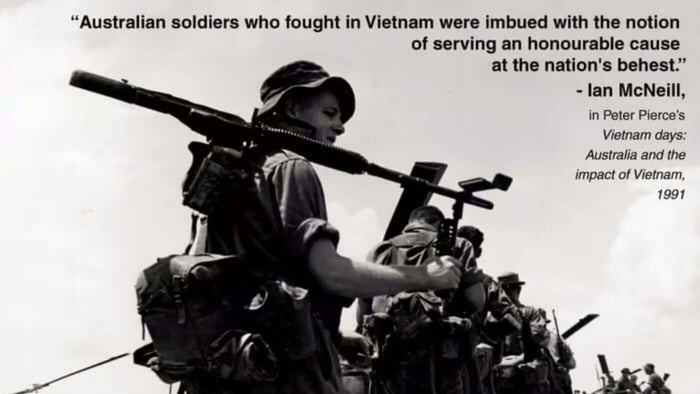
As we approach the 60th anniversary of this historic clash, the significance of Long Tan remains deeply etched into our national story. It is a moment not for grandstanding, but for quiet reflection, profound gratitude, and enduring respect for those who served, those who fell, those who returned carrying invisible wounds, and the families who stood behind them through every trial.
The Clash at the Rubber Plantation
In the afternoon of 18 August, D Company set out to locate enemy mortar positions that had shelled the Australian base at Nui Dat days earlier. Moving through the dense trees of the Long Tan rubber plantation, Delta Company, commanded by Major Harry Smith, made contact with a vastly superior force of Viet Cong and North Vietnamese Army regulars.
Within minutes, a ferocious firefight erupted. Blinding rain reduced visibility to near zero, lightning illuminated the darkening sky, and heavy mud threatened to immobilize ground movements. Outnumbered by more than fifteen to one, D Company found itself pinned down, fighting for survival on three sides.
Despite the desperate circumstances, the men maintained incredible tactical discipline under the leadership of Major Harry Smith and his platoon commanders. Crucial support from Australian, New Zealand, and United States artillery batteries laid down a continuous wall of fire around D Company's perimeter, holding back the waves of advancing enemy troops.
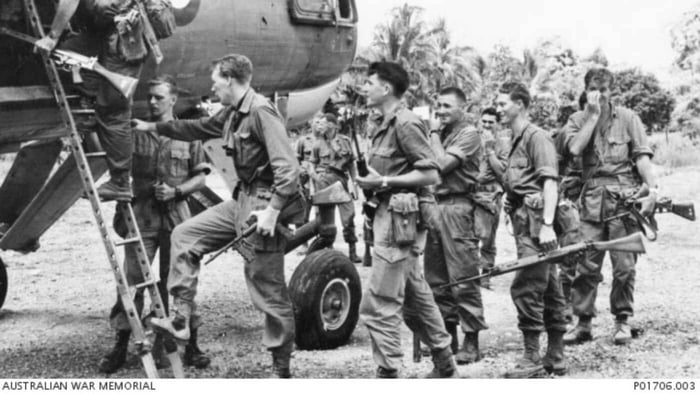
When ammunition ran dangerously low, RAAF helicopters flew low through the storm to drop supply crates directly into the tree canopy. By dusk, relief arrived in the form of B Company 6RAR and APCs from 1st Armoured Personnel Carrier Squadron, forcing the remaining enemy forces to withdraw.
The Price of Valour
The human cost of the battle of Long Tan was tragic and heavy. Eighteen Australian soldiers lost their lives: seventeen from D Company and one from the 1st APC Squadron, with a further 24 wounded. The casualties represented the heaviest loss of Australian life in a single action during the Vietnam War.
Roll of Honour – The Fallen at Long Tan:
- Private Richard A. Aldersea
- Private Victor R. Allen
- Private Glenn A. A. Archer
- Corporal Peter E. Clements
- Private Ernest F. Grant
- Private Victor A. Houston
- Private Jack Jewry
- Private Paul A. Large
- Private Alfred F. Loftus
- Private Dennis J. McCormack
- Private Warren D. Mitchell
- Private Douglas J. Salveron
- Private Gordon C. Sharp
- Private David J. Thomas
- Private Francis B. Topp
- Private Maxwell R. Wales
- Private Colin J. Whiston
- Private Arthur F. Webb (died of wounds, 2 September 1966)
The bravery exhibited that day reflected the finest traditions of the ANZAC spirit; courage under extreme duress, unwavering loyalty to mates, and quiet selflessness in the face of daunting odds.
Acknowledging Those Who Served and Returned
The battle of Long Tan stands as a powerful symbol of the broader Australian experience throughout the Vietnam conflict. Between 1962 and 1973, more than 60,000 Australian personnel including soldiers, sailors, aviators, and nurses who served in Vietnam. Over 500 sacrificed their lives, and more than 3,000 were wounded.
For many who returned, the battle did not end when they stepped back onto Australian soil. The Vietnam era was marked by complex political division at home, meaning many veterans did not receive the recognition or welcoming embrace they deserved upon their return.
Many carried physical injuries, while others bore the heavy burden of Post-Traumatic Stress Disorder (PTSD) and moral injury, navigating decades of quiet struggle. Honouring the 60th anniversary means acknowledging these ongoing sacrifices and affirming that their service was noble, brave, and deeply appreciated by a grateful nation.
The Families and Communities Behind the Uniform
No soldier serves alone. Behind every member of 6RAR, every artillery gunner, pilot, and medic was a family who waited anxiously for news from across the sea.
When devastating loss struck, it was these families who faced the unbearable grief of an empty chair at the dinner table. For those whose loved ones returned changed by war, families became the primary caregivers, shoulders to lean on, and quiet pillars of strength over decades of recovery.
Community support groups, legacy organizations, and local RSL sub-branches played vital roles in advocating for veterans' welfare when systemic support was slow to arrive. On this major milestone, we pay tribute to the resilience of veterans' families whose sacrifices are equal partners in our military story.
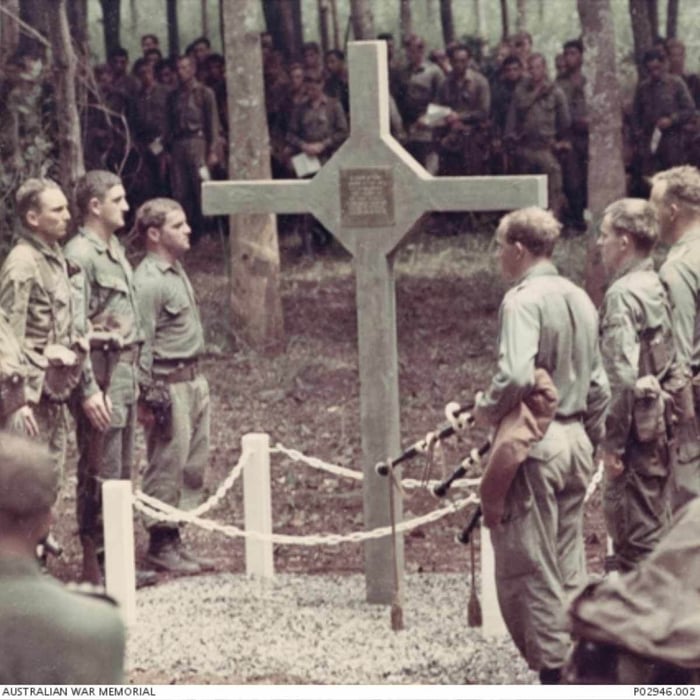
The Symbolism of the Long Tan Cross
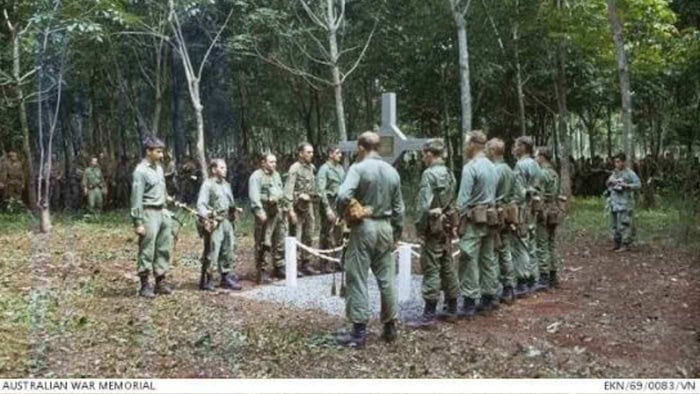
On 18 August 1969, three years after the battle, men of 6RAR returned to the battle site in Phước Tuy Province to erect a simple, stark concrete marker: the Long Tan Cross. Raised in memory of their fallen comrades, the cross stood silently in the quiet soil of the plantation, a testament to brotherhood forged in fire.
Though removed and preserved after the war, now displayed at the Australian War Memorial in Canberra, a replica stands on the original site today. The Long Tan Cross remains one of the most powerful icons of Australian military history, reminding us that true remembrance transcends borders and decades.
Why the 60th Anniversary Matters Today
Today, 18 August is recognised across Australia as Vietnam Veterans' Day. On this 60th anniversary of the battle of long tan, we gather at war memorials, cenotaphs, and local community halls across the country to keep a solemn promise made to those who served: Lest We Forget.
The passing of six decades offers a reflective space to view the Vietnam generation with clear clarity, deep gratitude, and profound respect. Their legacy lives on in the strength of our contemporary Defence Force, the enduring camaraderie of veteran associations, and the national consciousness that honours every individual who puts on the Australian uniform.
As we mark 60 years since that fateful rain-soaked afternoon, we pause to honour the 108 men of D Company, the artillerymen and aircrews who supported them, all who served in Vietnam, and the families who stood by them. Their courage, sacrifice, and devotion to duty will never be forgotten.
FAQs
Who won the battle of Long Tan?
Despite being heavily outnumbered by more than fifteen to one, the Australian forces led by D Company alongside 6RAR, with critical support from artillery batteries, RAAF helicopter resupplies, B Company, and APC reinforcements, they successfully repelled the Viet Cong and North Vietnamese Army forces, forcing the enemy to withdraw by dusk.
How long did the battle of Long Tan last?
The battle took place over several intense hours during the late afternoon and evening of 18 August 1966, commencing when D Company made contact with the enemy through to dusk, when relieving forces arrived and forced the enemy withdrawal.
Why was the battle of Long Tan significant?
The battle is significant as one of the most famous, fierce, and pivotal engagements involving Australia in the Vietnam War. It demonstrated extraordinary tactical discipline, courage, and camaraderie under extreme duress, while marking the heaviest single-action loss of Australian life during the conflict, with 18 soldiers killed. Today, its date (18 August) is commemorated across Australia as Vietnam Veterans' Day.
Who commanded D Company, 6RAR during the Battle of Long Tan?
D Company was commanded by Major Harry Smith, who led his 108 men through the intense firefight and maintained crucial tactical discipline under severe enemy pressure and extreme weather conditions.
What is the significance of the Long Tan Cross?
Erected on 18 August 1969 by the men of 6RAR at the original battle site in Phước Tuy Province, the Long Tan Cross was raised in memory of the fallen soldiers. It has become one of the most powerful and recognisable icons of Australian military history, symbolizing eternal remembrance and brotherhood forged in fire.