Our Blog
What Does Anzac Mean? How Early Sources Presented the Word and the Legend
Table of Contents
- What does Anzac mean? From acronym to place
- Who coined the word? Competing early accounts
- How wartime writers presented Anzac
- The Anzac legend and its qualities
- Anzac Day history: the first commemorations in 1916
- Protecting the word Anzac
- How to read wartime and 1919-era sources about Anzac
- Remembering Anzac with Military Shop
- Sources
- FAQs
What does Anzac mean? At its simplest, ANZAC is the acronym formed from the initial letters of the Australian and New Zealand Army Corps, the formation that grouped Australian and New Zealand soldiers in Egypt before the Gallipoli landing in April 1915. Within a few years the word also named a place, a group of soldiers and a day of commemoration, and its use was restricted by law.
What does Anzac mean in the sources written closest to the events? This guide follows the word through early sources. It looks at who claimed to have coined it, how wartime writers presented it, how the first Anzac Day was marked and why the government regulated its use. It ends with practical tips for reading wartime and 1919-era sources about Anzac.
What does Anzac mean? From acronym to place
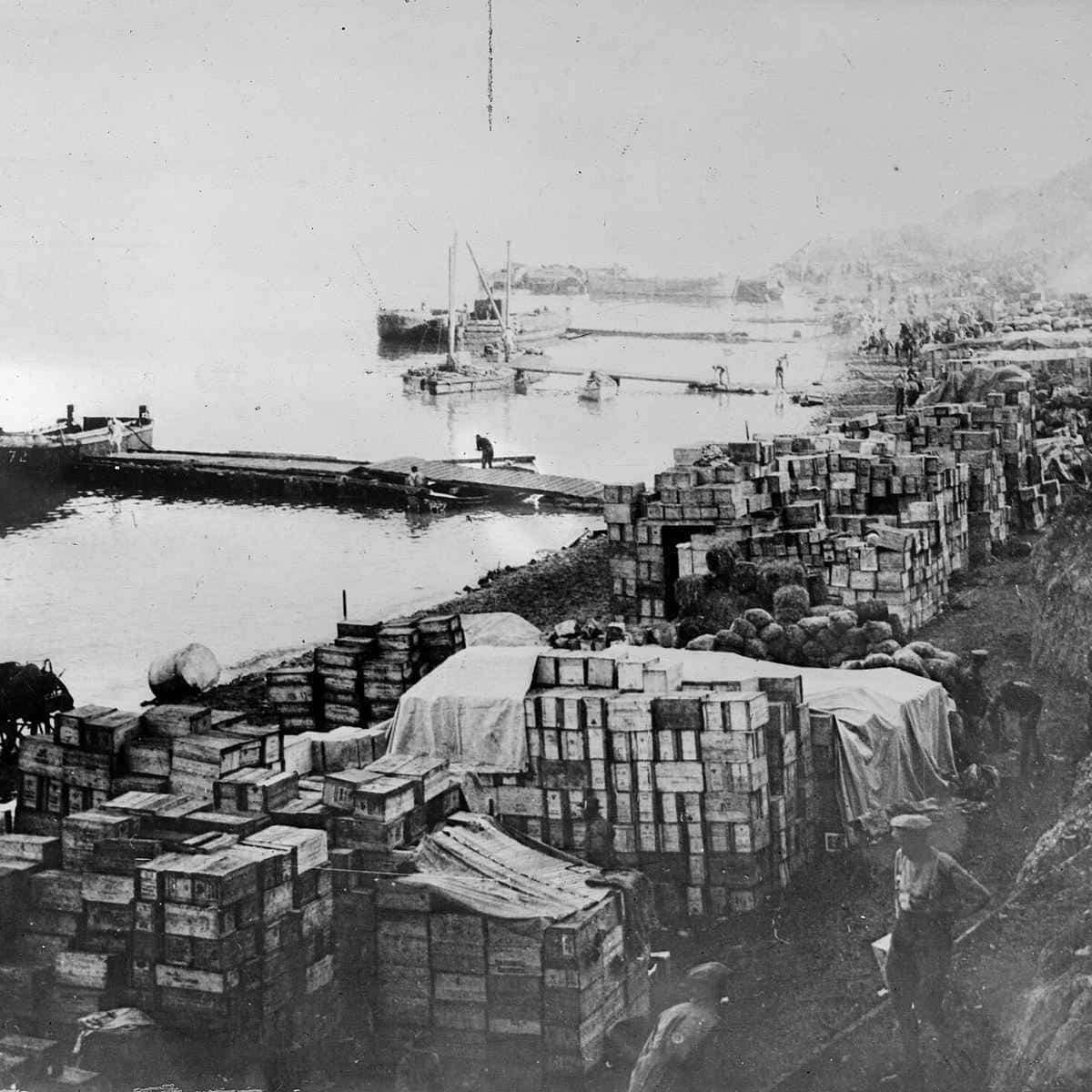
If you are asking what does ANZAC stand for, the Australian War Memorial's answer is the corps' name: "ANZAC is the acronym formed from the initial letters of the Australian and New Zealand Army Corps."
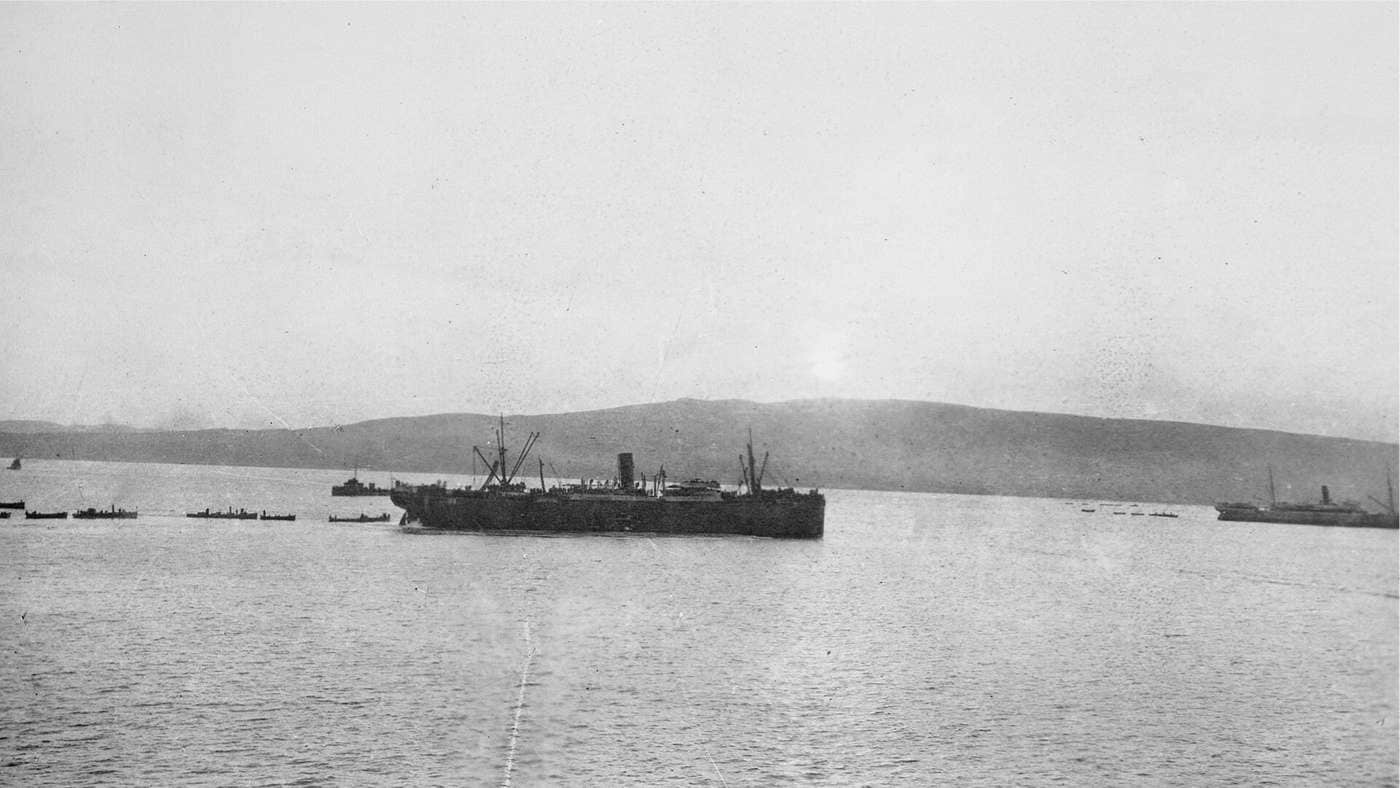
The word quickly became a place name. General Sir William Birdwood was asked to suggest a name for the landing beach, and by his own account he "asked that this might be recorded as 'Anzac Cove'". The area of the landing was often simply called "Anzac".
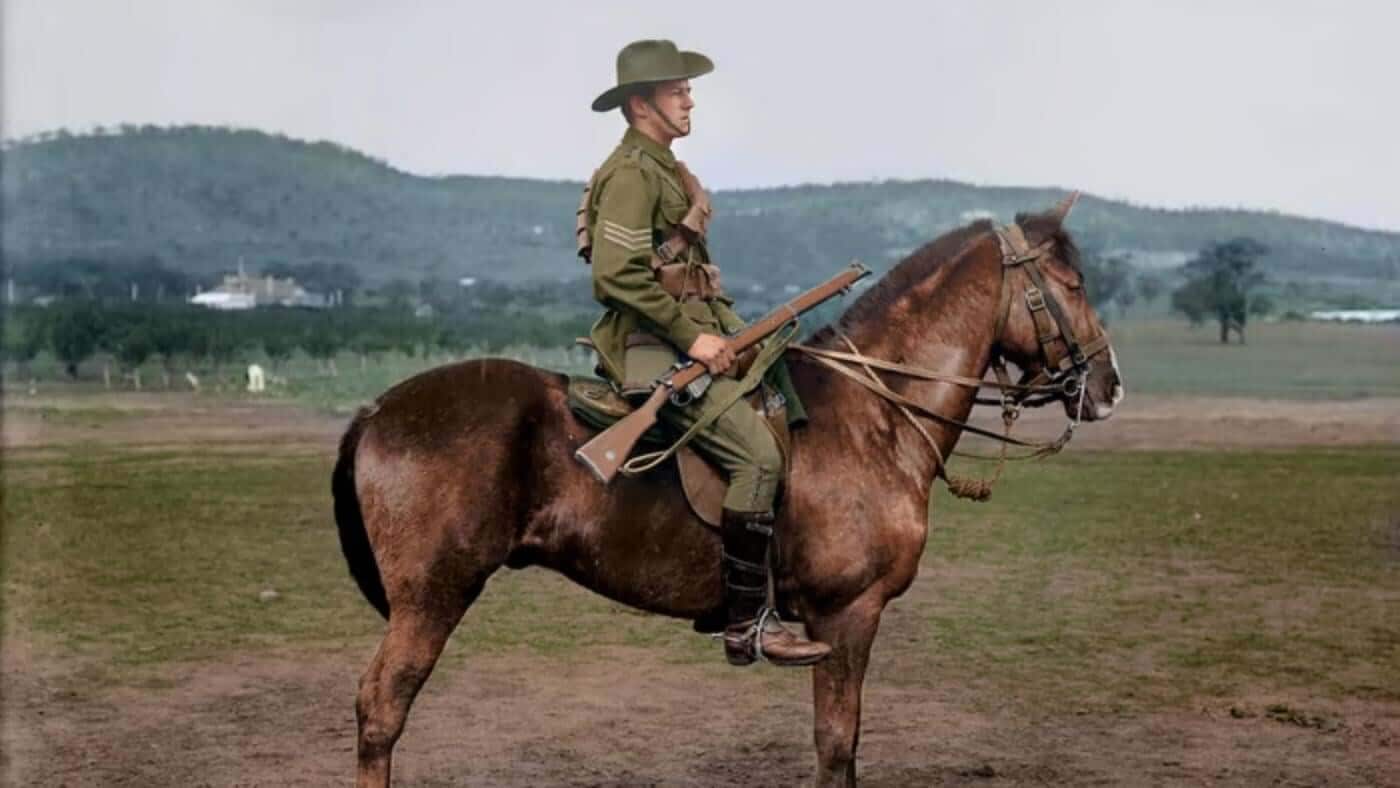
It also became a word for people. At first, "an Anzac was a man who was at the landing and who fought on Gallipoli." Later, according to the Memorial, "it was used for any Australian or New Zealand soldier of the First World War."
Who coined the word? Competing early accounts
The Memorial is frank: "It is difficult to say who originally thought of the acronym." Several early writers told different stories.
Birdwood wrote the introduction to The Anzac Book, dated 19 December 1915. He recalled: "I was asked to select a telegraphic code address for my Army Corps, and then adopted the word 'Anzac'." General Sir Ian Hamilton, in a foreword dated 29 April 1916, said he had "brazenly coined the word 'Anzac'."
Charles Bean, writing in The Story of Anzac (1936), wrote that "one of the clerks (according to most accounts Lieutenant A.T. White …) suggested: 'How about ANZAC?'" He said the clerks had seen the corps' initials on cases outside their room and on a rubber stamp. A later historian, Robert Rhodes James, wrote: "It was in general use by January 1915."
These accounts were written at different times by people with different roles. In our view, that is the first lesson for anyone asking "What does Anzac mean?": an early source is not automatically the final word.
How wartime writers presented Anzac
Newspapers shaped the word's meaning from the start. For readers in 1915, the answer to "What does Anzac mean?" came largely from war correspondents. The DVA Anzac Portal says war correspondent Ellis Ashmead-Bartlett's report was "published in Australia on 8 May 1915." It quotes him: "The courage displayed by these wounded Australians will never be forgotten." In doing so, the Portal says, "he laid the foundations for the Anzac legend."
The same page adds that Ashmead-Bartlett "became increasingly critical of the Gallipoli Campaign as it dragged on." An early report and a later view from the same writer can point in different directions.
Bean's influence was greater still. The Portal says "Charles Bean was most influential in creating the Anzac legend" and that "He was the only correspondent on Gallipoli for the whole campaign". In Anzac to Amiens, Bean gave his own answer to "What does Anzac mean?": "Anzac stood, and still stands, for reckless valour in a good cause."
The Anzac legend and its qualities
The Memorial describes the Anzac legend as how Australians think, speak and write of their war experience. It adds an important qualification: that is "not always the same as how they experienced it".
The DVA Anzac Portal says the term expresses characteristics seen as Australian, including courage, egalitarianism, endurance and mateship. The Memorial's list is similar: "endurance, courage, ingenuity, good humour, and mateship." It also notes that "aspects of the legend have been criticised".
Gallipoli was not only a story of soldiers. Our article on Staff Nurse Clarice Daley, one of the WW1 nurses on Lemnos shows another side of the campaign.
Anzac Day history: the first commemorations in 1916
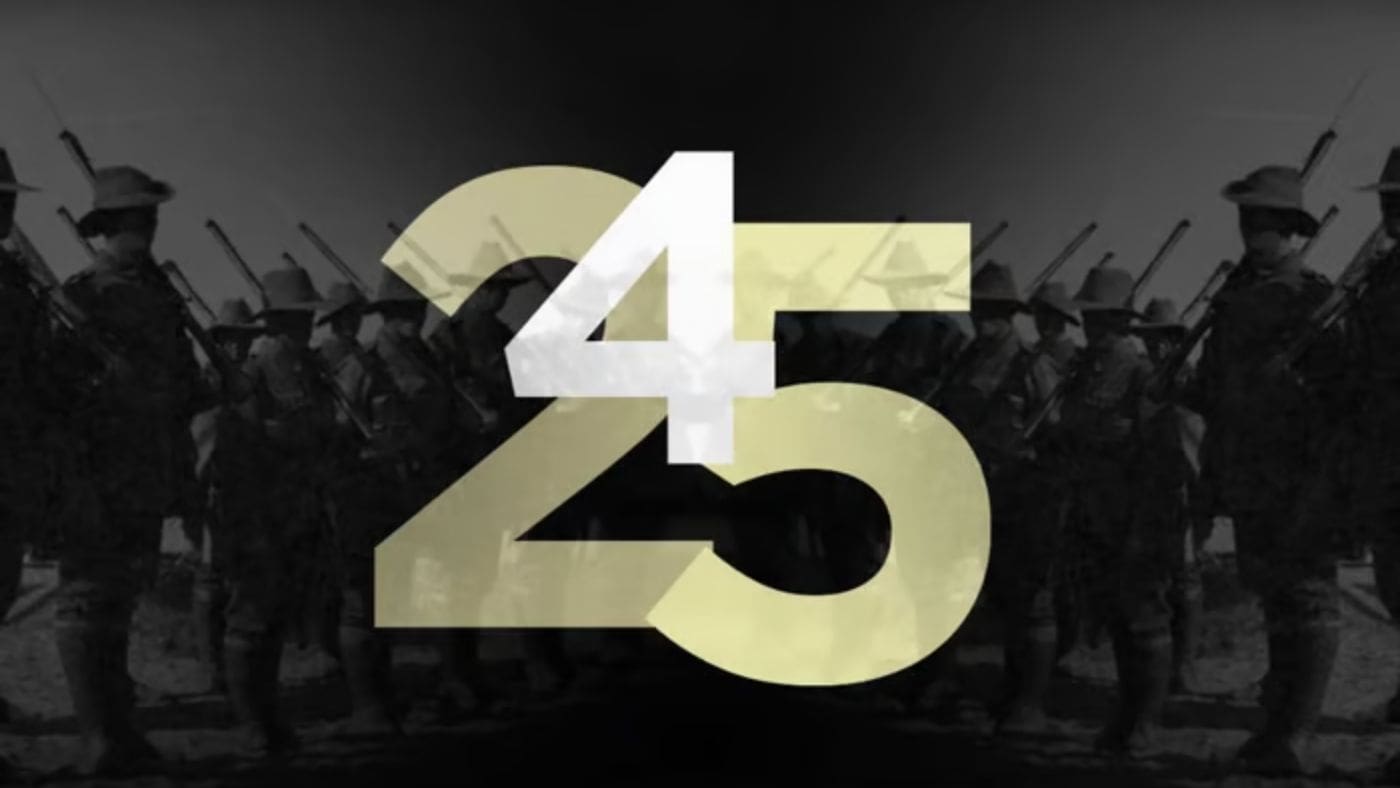
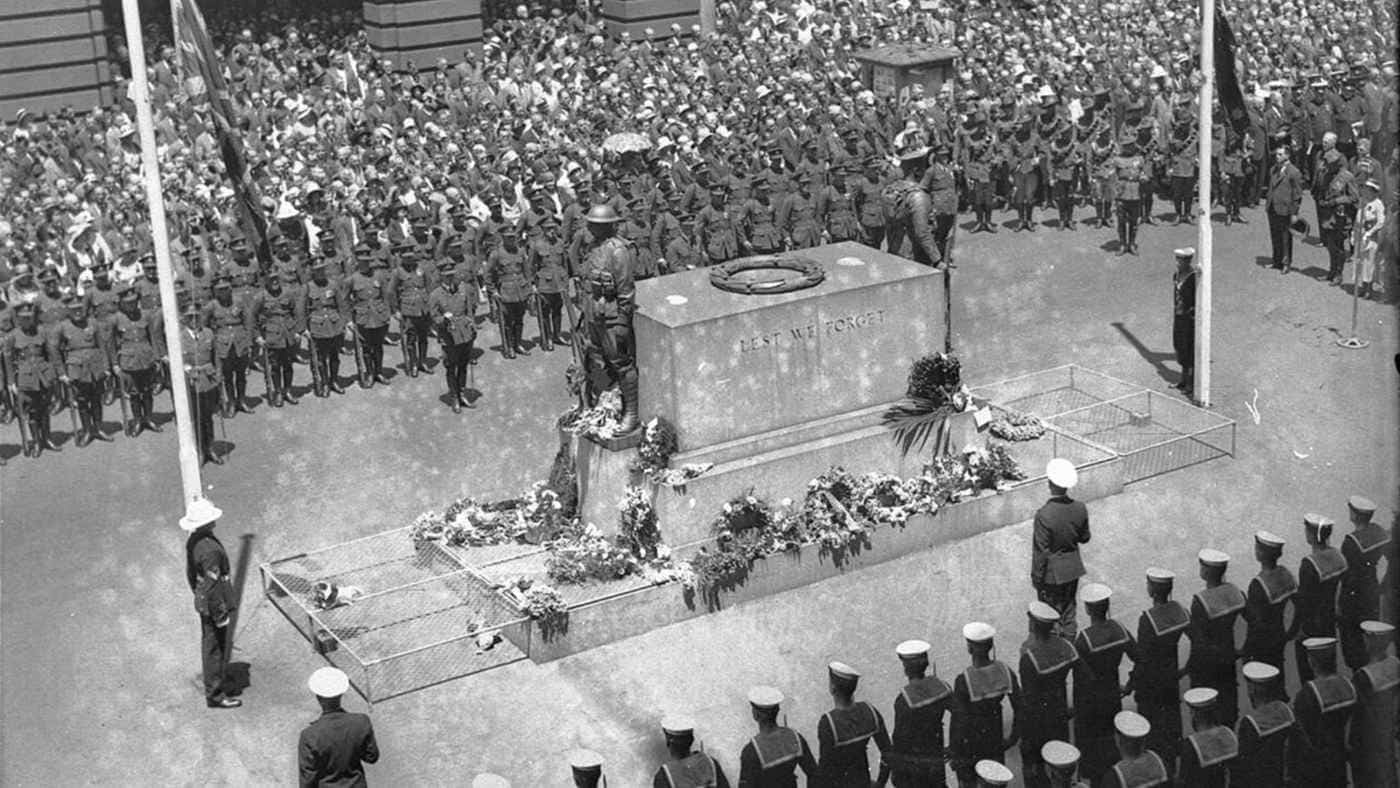
From 1916, the answer to "What does Anzac mean?" also included a day. That year, George Pearce, Acting Prime Minister and Minister for Defence, "officially named 25 April as Anzac Day, though it was not yet a public holiday", according to the National Museum of Australia.
The Museum says all states marked the occasion with a commemorative service. Afterwards, "new enlistees and Gallipoli veterans marched down the streets of their town or city." The day was not the same everywhere. Queensland's committee forbade fundraising, while Victorian organisers "focused on fundraising through pageantry and celebration."
There was also a practical aim. The federal government "hoped that commemorating the campaign might improve enlistment numbers, which were starting to decline." Early Anzac Day sources should be read with that purpose in mind.
Protecting the word Anzac
People used the word for all sorts of purposes in the early war years. Queensland State Archives says many were doing so "before the government intervened in 1916", and that a regulation was added under the War Precautions Act to restrict it. One example is the Anzac Memorial Church at Indooroopilly, whose foundation stone was laid on 29 April 1916. Correspondence shows the Governor-General advised that the trustees could continue to use the name.
The Protection of Word "Anzac" Regulations were made on 31 December 1920. They state: "No person shall, without the authority of the Governor-General or of a Minister of State," use the word "Anzac" or a word resembling it in connection with any trade, business, calling or profession. The rule also covered private residences, boats, vehicles and institutions.
The 1920 wording is quoted here as originally made, not as a statement of current law. Today, the Department of Veterans' Affairs says the Minister for Veterans' Affairs administers the Protection of Word "Anzac" Act 1920, and that under the Protection of Word 'Anzac' Regulations 1921, permission from the minister is required to use the word "in an official or commercial manner". If you plan to use the word in a business or a name, check the department's current guidance first.
How to read wartime and 1919-era sources about Anzac
The idea of judging early sources for yourself is not new. Gwendolen H. Swinburne's A Source Book of Australian History (G. Bell and Sons, 1919) told students they should "become his own historian by drawing his own deductions from the contemporary records." Its acknowledgements include a Times "Dispatch from a Special Correspondent at the Dardanelles," printed on 7 May 1915.
So what does Anzac mean in a particular early source? It depends on who wrote it, when and why. These are our suggested questions for any early source about Anzac:
- When was it written, and how close to the events?
- Who wrote it, and for which audience: newspaper readers, recruits or a later public?
- Does it record an experience or promote an ideal?
- Do other accounts from different times agree?
Remembering Anzac with Military Shop
Knowing the answer to "What does Anzac mean?", and where the word came from, adds meaning to the way we commemorate it. Our Anzac Day gifts and merchandise range brings together items for 25 April and beyond. Our guide to why Australians wear Anzac rosemary explains another Anzac Day tradition.
For military collectables with a Gallipoli link, the ANZAC Commemorative Pin on Badge features a soldier and his donkey, according to the listing. The Gallipoli Landing Limited Edition Lapel Pin features a close-up from David Rowlands' artwork, the listing says (Limited Edition: 1,000). You can also browse our WW1 badges for more First World War pieces.
Sources
1 Australian War Memorial | ANZAC acronym | last updated 16 February 2026 | https://www.awm.gov.au/articles/encyclopedia/anzac/acronym
2 Australian War Memorial | Origins of the acronym ANZAC | last updated 7 December 2020 | https://www.awm.gov.au/articles/encyclopedia/anzac/acronym/origin
3 Department of Veterans' Affairs, Anzac Portal | The Anzac legend | date not shown | https://anzacportal.dva.gov.au/wars-and-missions/ww1/personnel/anzac-legend
4 Australian War Memorial | Anzac spirit | last updated 31 October 2023 | https://www.awm.gov.au/encyclopedia/anzac/spirit
5 National Museum of Australia | Defining Moments: First Anzac Day | updated 23 April 2025 | https://www.nma.gov.au/defining-moments/resources/first-anzac-day
6 Federal Register of Legislation | Protection of Word "Anzac" Regulations (Statutory Rules 1921, No. 2) | made 31 December 1920 | https://www.legislation.gov.au/F1997B02175/asmade/1920-12-31/text/original/epub/OEBPS/document_1/document_1.html
7 Queensland State Archives | The term 'Anzac' | 1 May 2014 | https://blogs.archives.qld.gov.au/2014/05/01/the-term-anzac/
8 Project Gutenberg | A Source Book of Australian History, compiled by Gwendolen H. Swinburne (G. Bell and Sons, London, 1919) | eBook released 12 March 2005 | https://www.gutenberg.org/files/15337/15337-h/15337-h.htm
9 Department of Veterans' Affairs | Protecting the word 'Anzac' | date not shown | https://www.dva.gov.au/recognition/commemorations/protecting-word-anzac
FAQs
What does Anzac mean?
ANZAC is the acronym formed from the initial letters of the Australian and New Zealand Army Corps, the formation that grouped Australian and New Zealand soldiers in Egypt before the Gallipoli landing in April 1915. Within a few years the word also named a place, a group of soldiers and a day of commemoration.
Who came up with the word Anzac?
No one can say for certain. The Australian War Memorial says it is difficult to say who originally thought of the acronym. Birdwood, Hamilton and Bean each gave different accounts, with Bean writing that, according to most accounts, a clerk named Lieutenant A.T. White suggested it.
How did Anzac Cove get its name?
General Sir William Birdwood was asked to suggest a name for the landing beach, and by his own account he asked that it be recorded as Anzac Cove. The area of the landing was often simply called Anzac.
Who was called an Anzac?
At first, an Anzac was a man who was at the landing and who fought on Gallipoli. Later, according to the Australian War Memorial, the word was used for any Australian or New Zealand soldier of the First World War.
How did war correspondents shape the Anzac legend?
The DVA Anzac Portal says Ellis Ashmead-Bartlett's report, published in Australia on 8 May 1915, laid the foundations for the Anzac legend. It says Charles Bean was most influential in creating the legend and was the only correspondent on Gallipoli for the whole campaign.
When was the first Anzac Day?
The first Anzac Day commemorations were held in 1916. That year, Acting Prime Minister George Pearce officially named 25 April as Anzac Day, though it was not yet a public holiday. All states marked the occasion with a commemorative service.
Is the word Anzac protected by law?
Yes. The government first restricted the word in 1916 with a regulation under the War Precautions Act, and further regulations were made on 31 December 1920. Today, the Department of Veterans' Affairs says permission from the Minister for Veterans' Affairs is required to use the word in an official or commercial manner, so check its current guidance first.